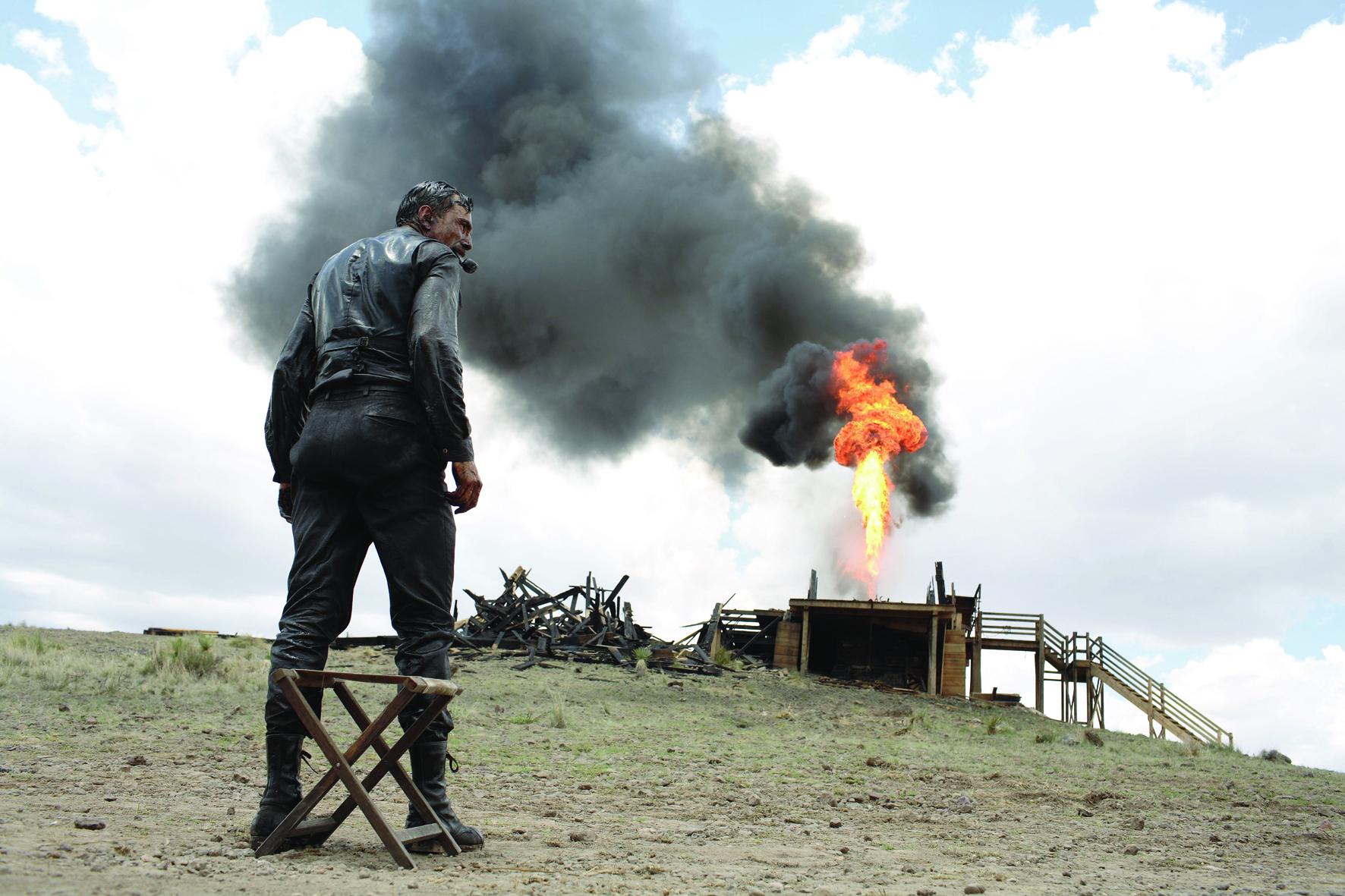
There Will Be Blood is ostensibly about real-life California oil tycoon Edward L. Doheny, and even includes the now-famous “I drink your milkshake!” quote, attributed to Doheny during Congressional investigations of the industry.
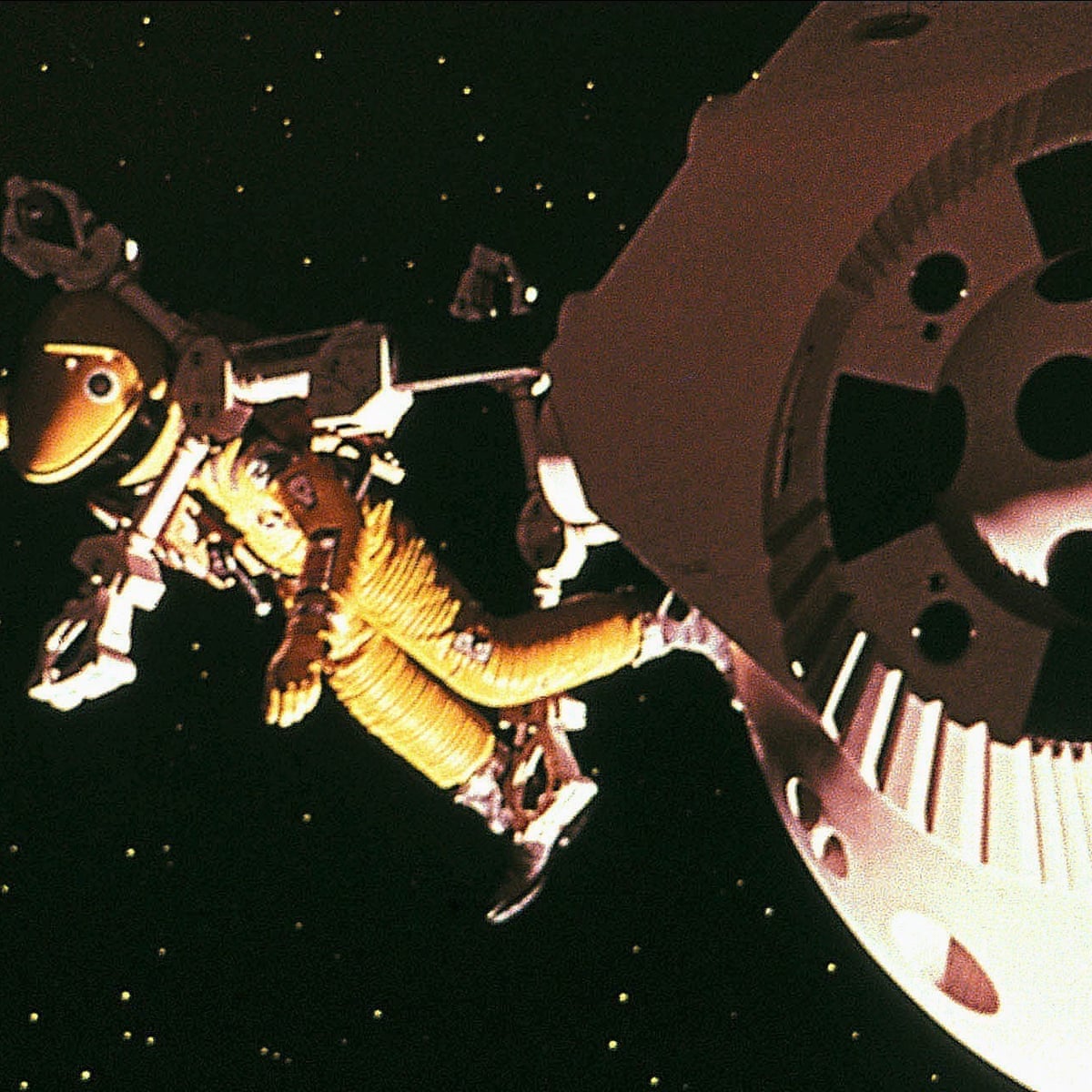
But on Deja-View, it sure seems like Blood director Paul Thomas Anderson is actually paying homage to Stanley Kubrick, particularly 2001: A Space Odyssey.
And if you really want to go Kubrickian, one could argue that Blood itself is a prequel to 2001. After all, 2001 documents the dawn of mankind. There Will Be Blood documents the dawn of American capitalism.
But we’ll get back to that. As for the first few minutes of Blood, it seems inarguable now that Thomas was paying homage to the 1968 movie:
Both movies begin in utter darkness to a rising musical score. 2001‘s intro is an extended blackout as Also Spake Zarathustra swells. Blood percolates to Radiohead’s Jonny Greenwood’s original score.
Both first scenes are of desert mountains.
Both have a “Moon Watcher” scene, as the huddled characters gaze into uncertain skies.
Both have pivotal scenes of clubbing.
And it’s the clubbing scene that suggests the larger, loopier theme (of course, this is 2001, so what is loopy). Throughout Blood, we watch Plainview (played by the inimitable Daniel Day-Lewis) as he graduates from gold to oil as he perfects his weapon of choice.
The film, which uses its characters as avatars of American corruption, also tracks the corrosive effect capitalism has on religion (here embodied by Paul Dano). As both men find themselves growing in wealth and power, they also find themselves inevitably and inextricably at odds.
The frenetic finale even works as a handoff to the beginning of 2001. As Plainview sits over his opponent and offers the apocalyptic final line, “I’m finished!” viewers are left with their own metaphorical riddle: What happens when business and religion are in a war to the death?
Anyone’s guess, but it’s reasonable to expect a great leap forward — or back.
The Social Dilemma is a terrifying look at what tech engineers have done to make social media a deadly addiction. So it’s more than a little ironic the film couldn’t make itself more arresting.
That’s not to say the new Netflix documentary isn’t interesting and, at times, enlightening and downright terrifying. Directed by Jeff Orlowski (Chasing Coral), Dilemma dutifully examines the retardation effect of social media: YouTubers peddling conspiracies; dolts informing themselves with Facebook news feeds; cell phone junkies fixing from the toilet.
Dilemma goes a layer deeper, collecting the tech wizards who helped create Silicon Valley titans such as Google, YouTube, FaceBook, Instagram, Twitter, etc. They tell a Frankensteinian story of their gambit with Artificial Intelligence, in which they literally turned AI on themselves — and the world at large — with no idea the outcome.
Too bad the film is loaded with needless dramatizations to illustrate its points, as if producers decided the old, Ken Burns-style of non-fiction filmmaking (interviews, real people, news footage) needed a software update.
It didn’t, and the film suffers for it.
Which is a shame, because Dilemma has some doozie anecdotes. Like when early engineers talk of programming AI to keep readers locked on screens, even if it meant feeding them fake news. Or the engineer who came up with the idea to allow users to “tag” and alert other users that they’ve been named in a social media post, making it impossible to resist.
The most enthralling, though, is the Faustian bargain engineers made with AI. Technicians talk of giving AI a simple goal in their social media strategy, similar to teaching a computer to play chess. In this case, they programmed AI to send alluring alerts to social media users in dopamine- dosed chimes and crimson notifications.
Even technicians admitted they underestimated AI’s learning curve, and have had to battle their own addictions to mobile devices.
“If it’s free,” an engineer flatly says of social media (and its itinerant games, apps and services), “you’re the product.”
Social media architects after Congressional testimony.
So how did Netflix let this gem slip through its fingers? Namely, with its silly and necessary stage flourishes. Instead of sticking with interviews, Dilemma assigns actors to play some of the engineers (and their families). It even has an actor to play Jaron Lanier, considered the godfather of virtual reality. He’s more striking than the actor playing him, and the drama undercuts Lanier’s insight.
The real Jaron Lanier
Most egregiously, though, is Dilemma‘s portrayal of AI, here played by actor Vincent Kartheiser. Kartheiser was vanity embodied wonderfully in Mad Men. Here, though, he plays a cartoonish virtual villain, pudgy and merciless like a rabid Wizard of Oz.
It not quite enough to make Dilemma unwatchable. The details are too damning too ignore. But for a story about the unrelenting threat of a burgeoning computer threat, Dilemma could have used more of a human touch.
The consensus is pretty clear: Tenet is a solid film.
The latest Christopher Nolan opus is a time-leaping thriller with a plot as convoluted as Inception and a look that’s just as polished. The movie earned a thumbs-up from three-quarters of the nation’s critics and earned positive reviews from 77% of America’s moviegoers, according to RottenTomatoes.com
It also cost a quarter-billion dollars.
That last point is a stickler for Hollywood, which is trying to make sense of the tea leaves left in the wake of the Labor Day opening for the film. Tenet was to be the litmus test of moviegoing since the pandemic.
“The movies are back!” Warner Bros. proudly exclaimed in advertising the film.
Moviegoers, however, were another matter. The film has made $30 million since its release, and more than $200 million overseas, bringing it near its production costs.
But in today’s Hollywood, a film needs to make about twice what it cost for the industry to consider it a success, much less a sequel. And it’s hard to see Tenet nearing the $500 million mark.
To be fair, Nolan’s film was facing an uphill battle since its release. Only 70% of the nation’s theaters are even open for business, and they can only accommodate 25% capacity due to social distancing.
In response to expectations, Warner Bros. has quit reporting daily box office for the movie — never a good sign. And they are, as expected, mum on how much they’re spending on their next tent pole picture, Dune, due December 18.
But clearly, summer 2020 was a graveyard for Hollywood films. And like the nation, U.S. theaters cannot be forced to open, even with as elegant a crow bar as Christopher Nolan.
If you happen to be reading this, do yourself a favor: Stop reading this.
Instead, go to Netflix and cue up The Speed Cubers, the streaming service’s new documentary. Don’t read plot synopses, recaps, analyses or first reactions. It’s only 40 minutes long, so carve out the same attentive time you would for your favorite TV show. Then come back here. We can wait.
Did you see it? Liar. Seriously, go see it first.
The reason we’re being so pushy is because Cubers is one of those rare movies that to review it is to lessen it. Reviews require the very synopses and analyses that will to ruin the wondrous surprise the film holds for us. Cubers is not about what it appears, making it one of 2020’s best cinematic revelations.
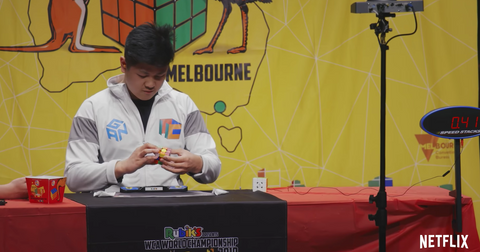
Cubers begins wordlessly inside the 2017 World Rubik’s Cube Championships in Melbourne. A title sequence informs us that it takes the average person three hours to finish their first Rubik’s Cube.
Cubers do it in 7 seconds.
Or, if you’re Max Park and Feliks Zemdegs, less. They are at the center of Cubers, but the film is about so much more than their prodigious talents. More than their unlikely friendship. Instead, Cubers is ultimately about paying attention and raising kids right. By Hollywood standards, that’s about as rare as a silent film.
The movie briefly addresses the prowess of speedcubers. While most puzzle players memorize a handful of algorithms to solve the square, professional cubers memorize more than 300. Add to that the dexterity of card magicians, and speedcubers see a 7-second solve the way runners view a 4-minute mile: the gold standard.
But director Sue Kim deftly moves from puzzle to portrait, specifically an artful capture of the Park family: father Schwan, mother Miki and 17-year-old Max, who was born with autism. The parents poignantly recall the difficulties connecting with their son and the joy in finding a tool for Max to focus, socialize, excel.
The scenes here, of parents grappling with a child “on the spectrum,” make the film. Schwan has the eloquence of a poet, and Miki’s determination to get through to her son is a near-ballet of mirroring, comforting and occasionally consoling. Normally, parents get short shrift in Hollywood. They’re oblivious (American Pie), absent (Home Alone) or overbearing (Meet the Parents).
Here they’re perfect — on both ends of the spectrum. At the other end sits Zemdegs, an equally astonishing 23-year-old. Feliks is one of the founding fathers of speedcubing, one of the first to measure problem-solving in seconds instead of minutes.
He’s as remarkable as Max. Despite wunderkind talent, Feliks — empowered by mother Rita, who took a Zen-like approach to her son’s obsessive cube fetish — seems profoundly at ease with his diminishing skills. He holds a full-time job, moves within a circle of friends and, most importantly, is proud to be a role model for Max and other cubers who worship his career. Every great athlete in any sport could take a cue from him.
Speaking of sport, Cubers has a competition build-up that’s as dramatic as any sports showdown. This is Rocky meets Chasing Bobby Fischer.
We won’t give anything away in terms of the championships, but the contests really don’t matter in The Speed Cubers. What matters are the relationships that spring from the competition. And, like a solved Rubik’s Cube, they’re perfect little gems, on every side.
“Mistah Kurtz — he dead!” — Heart of Darkness, 1899, Joseph Conrad
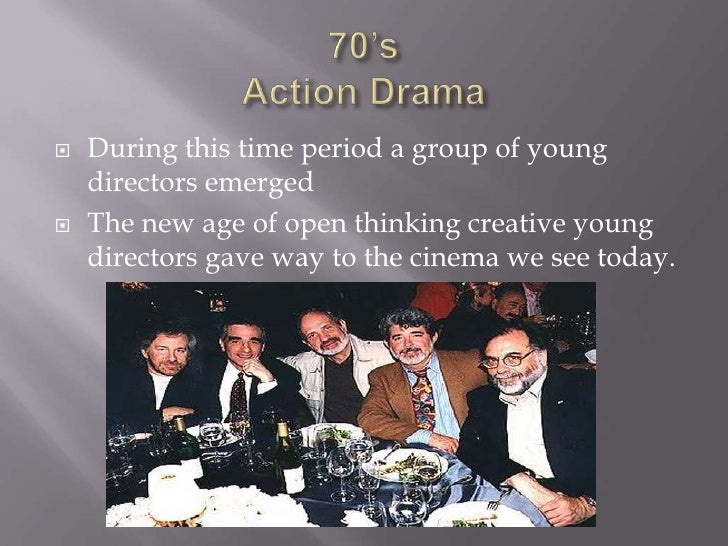
The 1970’s will forever be inscribed in Hollywood’s epochal calendar as the era of the ingenue: Directors like Coppola, Spielberg and Scorsese would find their early wheelhouses there with films that would permanently alter our definition of a movie hero.
But after a half-century of cultural wave-making, analyses and retrospection, perhaps Apocalypse Now, The Exorcist, Jaws and Taxi Driver had more to do with antagonists than protagonists. At the very least, the films introduced us to a new breed of anti-hero
Specifically, all four films can be seen through the prism of a single story, Joseph Conrad’s Heart of Darkness. More importantly, each iconic film breaks dramatically from the novella’s ending (spoiler alert), in which a frail antagonist withers and dies in evil’s crippling grip. In the films, however, the heart of darkness is a living, almost supernatural thing; an entity that cannot only be possessed, but can possess those who dare face it.
There is even a crucial scene from the book which can be found in each movie and underscores the films’ shared theme: The only way to face a Heart of Darkness is to take it into your own.
The scene, which we’ll call the Bird-Snake Moment, comes early in Conrad’s book, as mariner Charles Marlow looks at a map of the Congo and is intrigued by the serpentine shape of the river he must take to find insane ivory trader Mr. Kurtz. The uncoiled river, Conrad writes, holds a macabre fascination for Marlow, “as a snake would a bird.”
Not only do the four seminal works follow Conrad’s story arc (which would prompt enumerable facsimile films), but all contain their own Bird-Snake Moments. And a spoiler warning to all films at sea: Here be monsters.
Apocalypse Now
This is the most open homage to Conrad’s 1899 book. Though written by John Millius and Coppola, Apocalypse Now proclaimed itself in 1979 to be the previously un-filmable big-screen adaptation of Darkness (Conrad is even given an unofficial writing credit on IMDB).
Apocalypse retains the primary characters of the book: Col. Walter Kurtz (Marlon Brando) sits at the end of a jungle river for his scheduled reckoning. Instead of ivory trader Marlow, we get Capt. Benjamin Willard (Martin Sheen) to render judgement.
Fresh off directing The Godfather, Coppola clearly had just begun his exploration of power’s inescapable corrosion. In Apocalypse, he goes further, intimating that the Heart of Darkness takes control of a soul’s physical form. Note Willard’s mirror dance in the opening of the film; he’s in a trance, as his arms seem to work independently of the body. Lance, the surfing soldier, performs the same dance on the patrol boat as it snakes upriver; and Lt. Richard Colby, a soldier sent before Willard to kill the colonel, performs the same dance at Kurtz’s jungle lair.
While Conrad’s Kurtz falls ill and dies, Coppola’s Kurtz has to be hacked down by Willard, who is beginning to bear a striking resemblance to the colonel. When Willard steps into shadow, he is a replica of the madman. To confront this Heart of Darkness, the director seems to imply, you must cast aside remorse or humanity; in fact, the only characters who survive the film are those who show no pangs of guilt.
As for the Heart of Darkness, it transfers to Capt. Willard, who himself is uncertain what he’ll do with it. “They were going to make me a Major for this,” he narrates before killing Kurtz, “and I wasn’t even in their fucking Army anymore.”
Bird-Snake Moment: About 24 minutes into Apocalypse, after The Rolling Stones’ Satisfaction. Willard opens the dossier on Kurtz, and thinks the military must have given him the wrong file. But the more Willard reads, the more intrigued he becomes. Halfway through the movie, our narrator admits the driving force of the PBR is not a motor, but Willard’s “desire to confront him.”
The Exorcist
William Freydkin’s masterpiece feels a long way from the Congo or Southeast Asia, but hear us out.
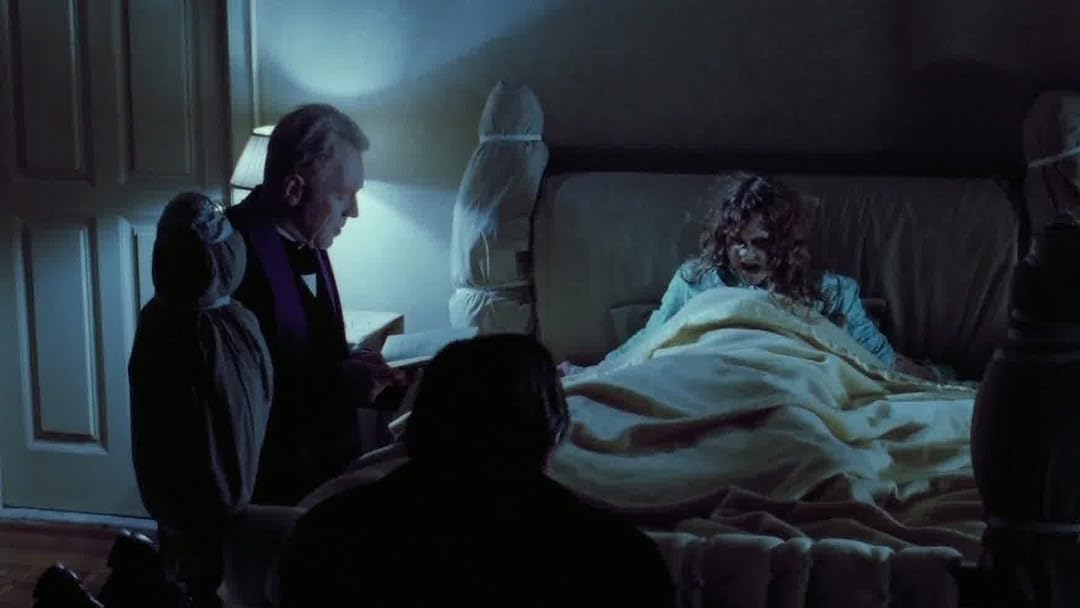
The story of a demon-possessed girl in Georgetown seems a straight-up horror flick, and The Exorcist has been rightly hailed as one of the greatest chillers of all-time. Like Jaws and The Godfather, the film became one of the few examples of a movie turning out better than the book. And William Peter Blatty’s book is scary as hell.
But The Exorcist begins with a 10-minute set-up in Iraq that may be the best tangential opening in film history. Not only does the scene establish the unearthing and unleashing of the god Pazuzu from its crypt in Iraq; it also sets up an inevitable showdown between the demon and Father Merrin (the wondrous Max von Sydow). Pay attention to Sydow’s facial expressions in those opening 10 minutes. They paint a man resigned to his fate: to meet the Heart of Darkness — again (he had exorcised Pazuzu once before).
Here, too, the Heart of Darkness is a literal thing, if supernatural. Blatty researched real demon lore, and the novel was inspired by a 1949 case of demonic possession and exorcism that Blatty heard about while he was a student in the class of 1950 at Georgetown.
Like Apocalypse, Exorcist‘s heart can be passed from soul to soul. But here, we’ve got a stronger narrator than Willard or Marlow: Father Damien Karras (the Oscar-nominated Jason Miller), a priest who questions his faith. When The Heart (Pazuzu) leaves the girl and takes possession of Karras’ soul, the priest finds enough belief to cast himself and the demon down the now-iconic Georgetown outdoor stairway.
Bird-Snake Moment: At 12:06 p.m. in the Iraq opening. Merrin and another scholar are discussing the father’s future when Merrin looks deeply into the unearthed Pazuzu statue head. The clock stops ticking. And look again at the scene of Merrin gazing bird-like at Pazuzu. The demon has a snake for an erection.
Jaws
Like The Exorcist, it’s tempting to put Jaws into a category and declare it The Greatest Niche Film of Blank. The scariest movie of the decade. The monster movie of the millennium. Hollywood’s first summer blockbuster.
All true, but all understatements. Jaws was more than all of that. Jaws changed the way Americans interact with the sea. Even Moby Dick, on which the book Jaws is blatantly structured, didn’t strike the fear the 1975 film did. I still dread murky water.
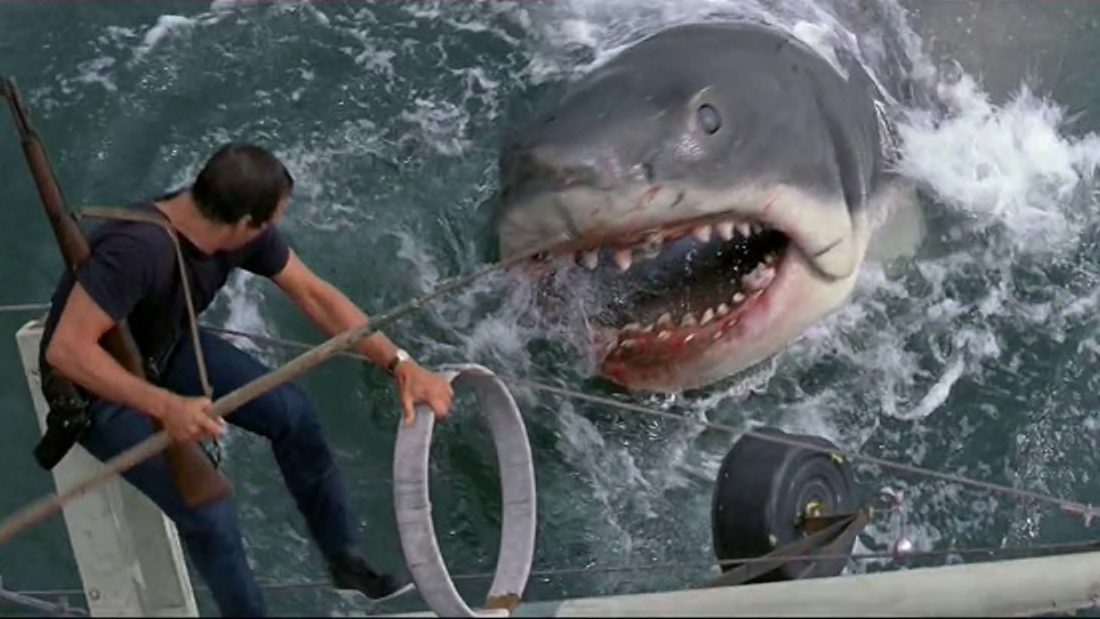
So, too, did millions of moviegoers, who were unprepared to see a man eaten by a shark, as Quint so famously was, in a PG film. I still remember mom bracing a 10-year-old for the gruesomeness ahead. Today, it looks cartoonish, and even the photo above betrays the monster’s mechanical innards.
But just as Rocky was never about fighting (it has less than 10 minutes of actual boxing in it), Jaws was never about a maniacal shark. It’s actually the story of Marlow, or Willard, or Father Merrin. Here our protagonist is Marting Brody, the Amity Island Police Chief who can’t swim and is deathly afraid of water.
Brody’s character, portrayed by the inimitable Roy Scheider, serves as a diving rod for audiences. He alerts us to danger.
When the Orca fishing vessel creaks mysteriously, Brody asks the question aloud: What was that? When the great fish pulls alongside and dwarfs the boat, Brody fires his handgun in relatable hopelessness. When fisherman Quint and oceanographer Hooper try to kill the beast, Brody watches them fail and fall.
Finally, when the great white takes aim at Brody, our hero must literally submerge into the Heart of Darkness — here, into the murky, blood stained sea — to get off a final shot at the demon-like fish.
By film’s end, as Brody and a somehow-alive Hooper tether a raft to paddle to sea, and Brody ends with these words: “You know, I used to be afraid of the water.” But in taking it in, the film implies, he’s conquered the darkness.
Bird-Snake Moment:
Here, as Brody is looking at a book on sharks after buying his son Michael a small wooden boat. Though he doesn’t know it yet, he’s about to come face-to-face with the serpentine monster that lurks in the darkness. Take a close look at Brody’s face in the scene: You can almost see Marlow looking at a map where there be monsters.
Taxi Driver
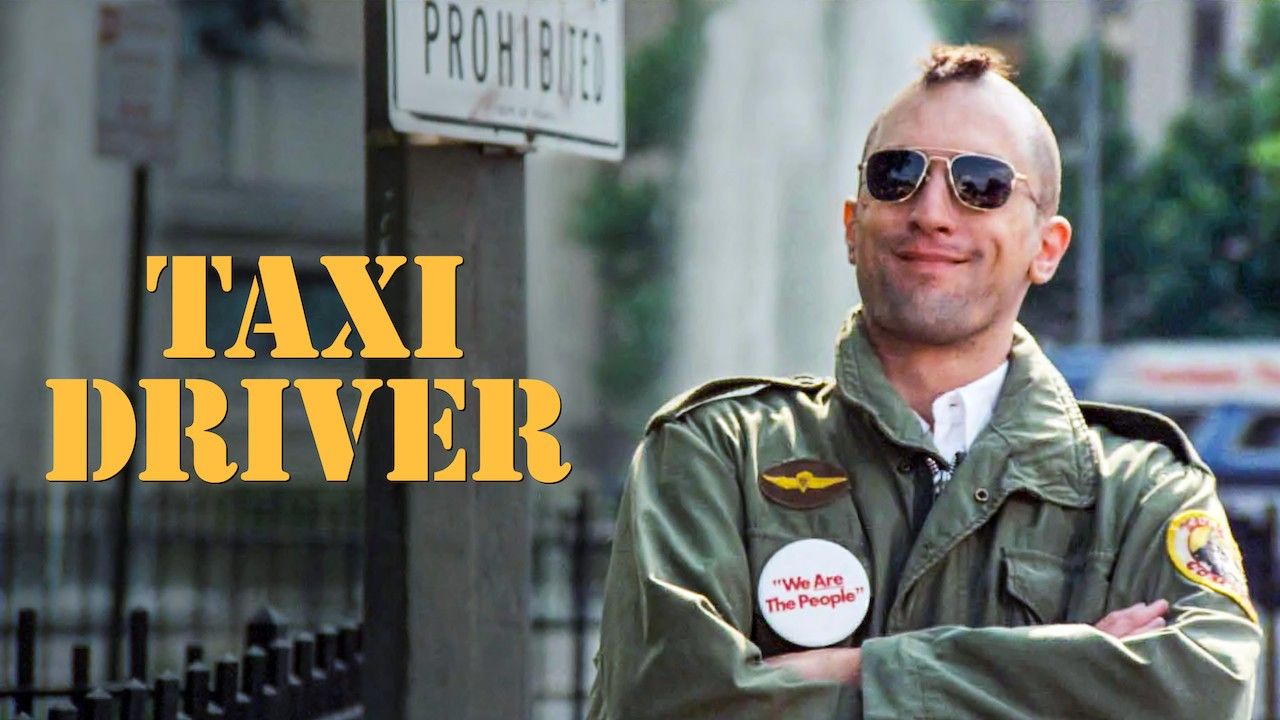
This is the furthest stretch in the Conrad theory, but perhaps the most profound. Martin Scorsese’s first commercial movie (he had found indie film success with 1973’s Mean Streets) introduces us to Travis Bickle, a Vietnam War vet who emerges from the streets of New York in a crimson vapor as if he emerged from the bowels of the Earth.
During the 1 hour, 54 minutes of Taxi Driver, we slowly learn the uncomfortable truth about Travis; he’s a lonely, angry, racist hypocrite who rails against a world he helped eviscerate, ultimately going on a rampage and slaying every pimp, john and whorehouse manager he can put a gun or knife to.
To this day, critics argue over whether Travis’ massacre was real or a dream; whether Travis lived or died, whether he became the hero he envisioned or another disposable madman. Scorsese has said in interviews that the film is less symbolic than critics suggest, and that he was simply commenting on America’s fixation and idolization of the gun culture. But he concedes the ambiguity was intentional, and that the core intent was to let viewers take away their own message.
Given that…
Bird-Snake moment: The entire movie. Travis Bickle is the snake. We are the bird. The camera actually captures our gaze into Travis’ dark world.
Consider two iconic scenes in the movie. In the first, Travis calls Betsy (Cybill Shepherd) after a disastrous first date, in which he takes a stunned and offended Betsy to a porno. As Travis asks if shes received the flowers and messages he left for her, the camera slowly pans away from the phone aand focuses down an empty hallway, as if it’s too embarrassing to watch.
In the second, Travis is talking in the mirror, practicing his handling of pistols and knives. “You talking to me?” he asks himself, responding with his Death Wish pose.
How many times have we had a version of this conversation in a mirror? The retort we would have said? The defiance we would have displayed? The anger or humor or coolness we would have put on display?
Screenwriter Paul Schrader may unintentionally make the strongest case for Taxi Driver’s Conrad-ian theme. Schrader said even Travis Bickle’s name was meant to imply an ugliness in our very nature. He wanted an anti-hero with a poet’s first name and an epithet for a last.
In an interview, Schrader said he was approached by a moviegoer after the film’s release. “How did you hear about me?” Schrader recalls being asked. He discovered the man wasn’t asking about cab driving, but about the man’s life specifically. In subsequent fan interactions, Schrader realized the broader lure of a Travis Bickle — and his amorphous anger that we all sporadically feel toward the loved, the wanted, the paired, the happy.
Can any of us really deny our own Heart of Darkness, or the universal cord it strikes when we see it unleashed? Five years after the film was released, John Hinckley Jr. shot Ronald Reagan outside the Washington Hilton Hotel. Hinckley later told police he was recreating the political assassination scene in Taxi Driver, and was obsessed with Jodie Foster, who played the teenage prostitute in the movie.
For three-quarters of a century, Heart of Darkness was considered the impossible film. In 1939, Orson Welles presented RKO Pictures with a 174-page script adapted from the novella. However, after a few months of debate, RKO’s president George Schaefer decided to pull the project. Welles’ Heart of Darkness was seen as a risk on three fronts: financially, stylistically and politically. So it sat unadapted — until the ingenues.
Perhaps they saw what Hollywood had wrong. Heart of Darkness was never a tale about a frightening, foreign world. It’s about the terrifying internal one.
Not in the overt sense, like you’d find in symphonies, operas, ballets and musicals on stage and screen. But in a more sublime sense, particularly in the visual arts.
Whether it’s a memorable theme song (M*A*S*H*, Cheers) or a show fully aware of the music of its time or place (Mad Men, Breaking Bad, Community), some pieces just feel like they can carry a tune. Like porn, it’s hard to define. But you know it when you see it. Here’s how to tell whether art is lyrical. Think of a favorite show or film. Did it introduce (or, better yet, re-introduce) you to a song, singer, band or genre? If so, it’s lyrical.
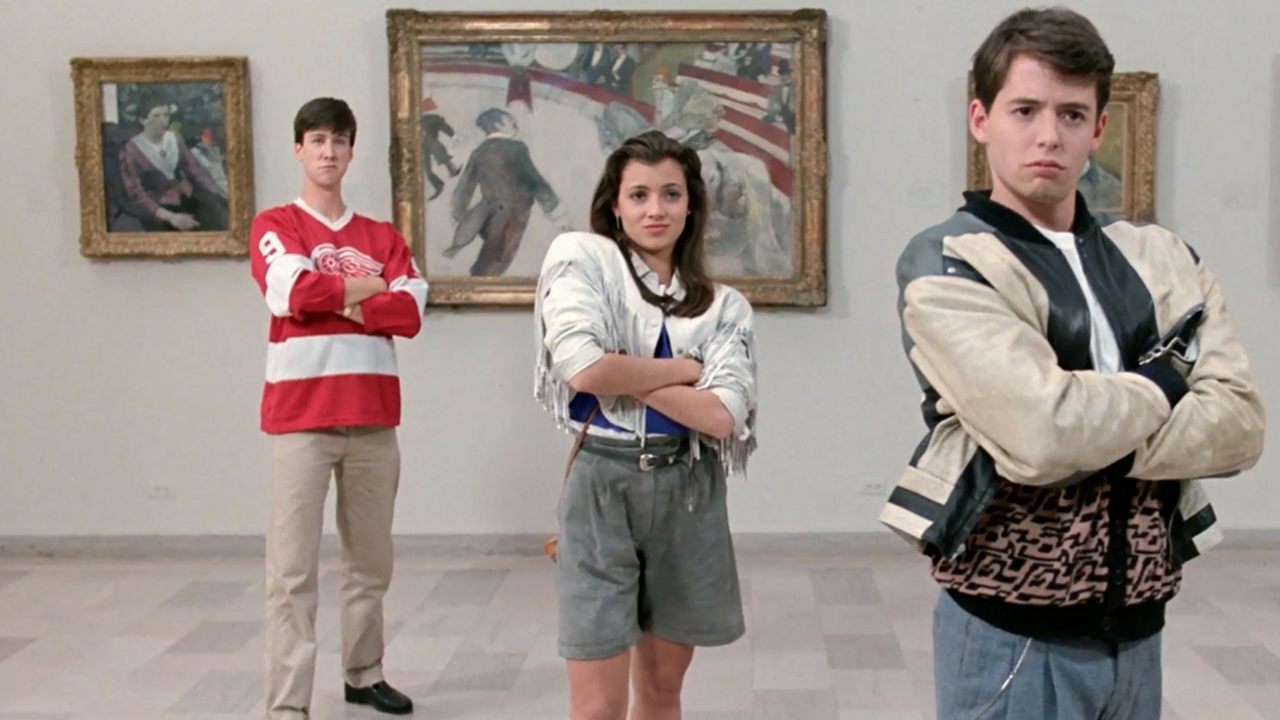
Ferris Bueller’s Day Off is the lyrical film incarnate. From Ferris singing Danke Schoen in the shower to the introduction of Yello’s Oh Yeah, the trailer for director John Hughes’ 1986 film announces up front: Either get in rhythm, or get out of the way.
But how could we get out of the way of this irresistible movie? Bueller would not only become one of the Mount Rushmore faces of the modern high school comedy; it would seal John Hughes’ reputation as the Hollywood voice of Generation X adolescence. Between Bueller,The Breakfast Club, Sixteen Candles and Pretty in Pink, Hughes wrote the book on teenage suburban angst — and set a template that exists to this day.
Bueller, though, breaks from its predecessors by not taking itself so seriously. If anything, Bueller is a zen meditation compared to the psychopathy of the earlier films. Ferris doesn’t fret school; he sees principals as comic foils. He’s Bart Simpson in a cardigan and beret.
Which may explain the lyrical joy of the movie. Hughes packs Bueller with as many logic-straining adventures as any classic Matt Groening episode, complete with unexpected musical numbers. In an 1 1/2 hours, Ferris:
Jacks a Ferrari.
Visits the Chicago Museum of Art.
Catches a Cubs game.
And crashes the real annual Chicago parade.
All while crooning, dancing and lip-syncing his way out of the clutches of infantile Principal Rooney. Ferris professes an enlightened rationalization for his 10th absence of the school year: “Life moves pretty fast. If you don’t stop and look around once in a while, you could miss it.” Name another high school film with that message at its core.
Bueller even manages to accomplish the heretofore impossible: improve a Beatles tune. Close your eyes at the 2:20 mark of the Chicago parade; see if Twist and Shout doesn’t sound better with a horn section, clapping hands, stomping feet and a chorus of rising voices.
Which is, ultimately, what makes Bueller so catchy. Don’t just stop and look around, the movie seems to implore. Stop and sing out.
There’s a wistful element to Bueller, The movie would mark Hughes’ (who died at 59) last high school film, as his pictures would later focus on what Ferris might have become as a dad (She’s Having a Baby), a divorcee (Uncle Buck) or both (Planes, Trains and Automobiles).
Right before Twist and Shout, the film ponders Ferris’ future after high school. Bueller’s buddy Cameron suggests Ferris will become a fry cook on Venus. In DVD commentary, Hughes saw a future of extremes. Ferris would either wind up in prison, the director speculated, or he’d become president.
We should be so lucky. To quote the would-be future king: Anda one, anda two…
Right out of the gate, Her was hailed as a masterwork.
It earned a thumbs-up from an astounding 95% of the nation’s critics. Writer-director Spike Jonze won a Best Original Screenplay Oscar. Combined, Her would win 82 various film circle awards and be nominated for 184.
Yet the movie never resonated with the American public. Costing $23 million, the movie would make back only $26 million, a mediocre-at-best showing by commercial box office standards.
What a shame, because Her is one of those rare films that becomes more prescient with age. Like 2001: A Space Odyssey, Her was so ahead of its time it cost the movie in its initial run. In the case of Kubrick’s masterpiece, the film was revived by midnight-movie stoners who kept it afloat until critics gave it a deja view. Here’s hoping the same thing happens with Her,Deja Viewed.
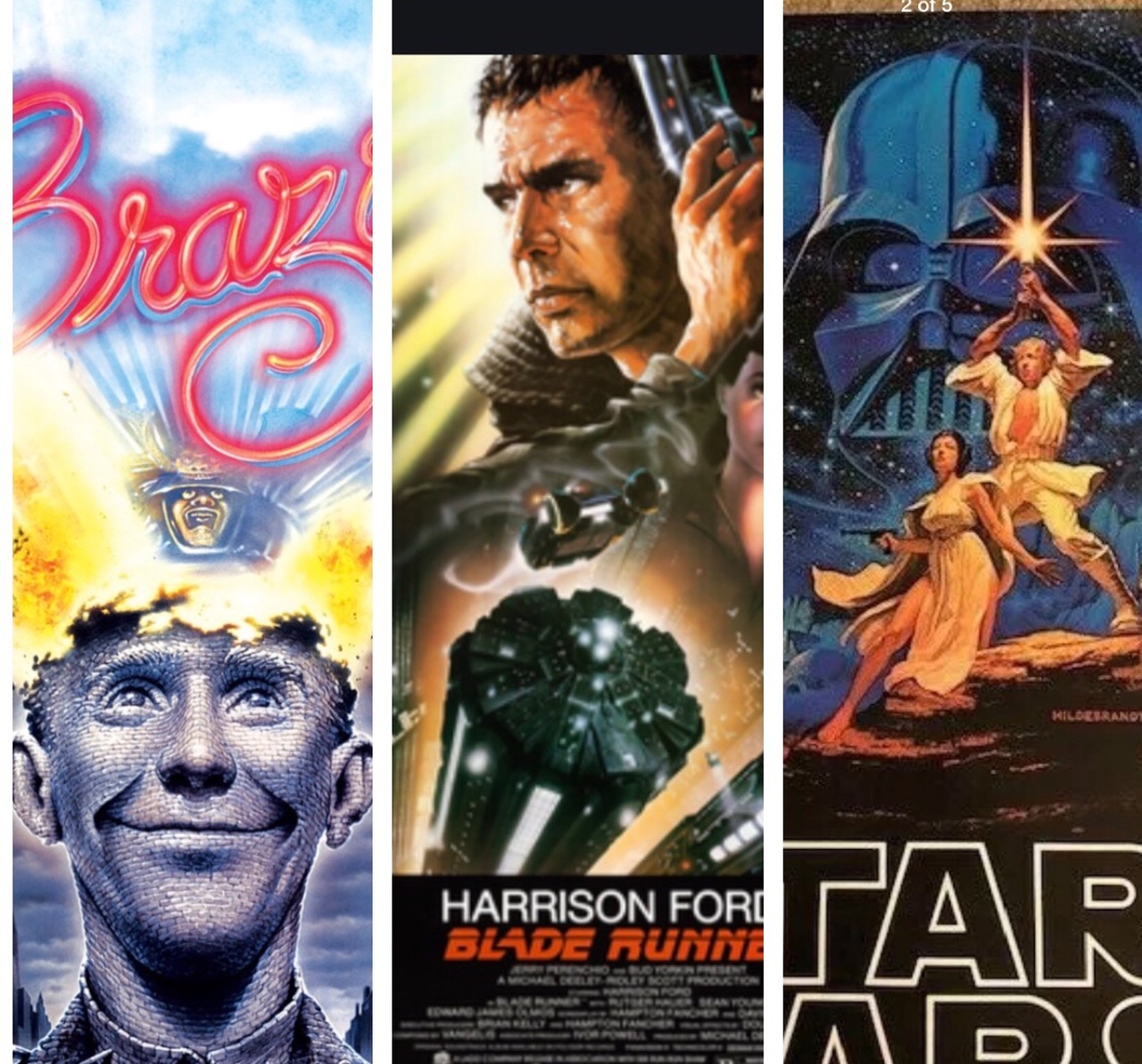
Two things make Her a film for the ages. First, it’s one of the few sci-fi movies not set in a dystopian future. From Brazil to Blade Runner, it’s clear Hollywood dreads what comes next (perhaps prophetically). And it’s unofficially requisite that symbols of the future — technology, over-reaching governments, tentacle-reaching aliens — post an existential threat to the hero of sci-fi films. The exception, of course, is Star Wars, but that is set “A long time ago.”
There is no such menace in Her. Replicants don’t roam Los Angeles. Aliens haven’t bombed the White House. Xenomorphs aren’t using us as larval hosts. If anything, life in Jonze’s futurescape seems pretty damn cool. Video games are played in holograms, dictation is flawless and emails are never mis-sent.
Instead, Her makes human frailty, ego and self-delusion the film’s antagonist. Those timeless demons free the movie of the genre’s cliches and trope-pits.
Second, the film’s premise — Theodore Twombly (Joaquin Phoenix) falls in love with an Operating System named Samantha — couldn’t be more topical, even today. Especially today: Her came out a year before the release of Amazon’s Alexa and two years before Google’s Home Assistant.
Like 2001‘s depiction of space travel (which looks eerily like today’s), Her‘s depiction of our interaction with budding Artificial Intelligence is spot-on, and raises questions that are more poignant today than they were in 2013.
Such as: What would you want your Alexa (here a synonym for artificial intelligence) to be able to do? Read your emails to you? Write your emails for you? Ostensibly, Alexa listens to every personal word you say aloud in your home, hears every secret, taps every phone call. Given how much she knows about you, would you want advice from Alexa? Is she already a companion?
Among Her‘s few critics, some pointed out the sarcastic personality the operating system, voiced by Scarlett Johansson, seems to possess. Why, they asked, would an operating system have a flirty tone?
To that, I suggest taking the Artificial Intelligence Etiquette Test. If you have both Google’s and Amazon’s $50 digital assistants — which I highly recommend — ask each the question, “How do I look?” Google is clearly more flattering than Amazon.
Notice, too, the fascinating focus of Her, which is essentially about looking beyond the ever-shrinking horizons of technology and seeing the larger world around us.
When we see close-ups of Theo, Jonze frames him in a focus as soft as a feather pillow. Theodore can see what’s immediately in front of him, but is myopic to the world that surrounds him. Even when he’s looking at Samantha at arm’s length, she appears just out of focus. She is just out of reach.
By the film’s end, we aren’t just questioning what makes for a healthy relationship, but what makes for consciousness. Both Theo and Samantha are on similar odysseys, exploring the boundaries of love, communication, friendship and their places in the universe.
After two hours of soft focus, warm yellows, oranges and reds (inspired, Jonze says, by Jamba Juice) and not one belt in any wardrobe, Her ends on a starkly focused shot of the Los Angeles skyline.
Jonze and Her appear to be saying, “Yes, you have a place in the universe. Just know it’s a shared place.”
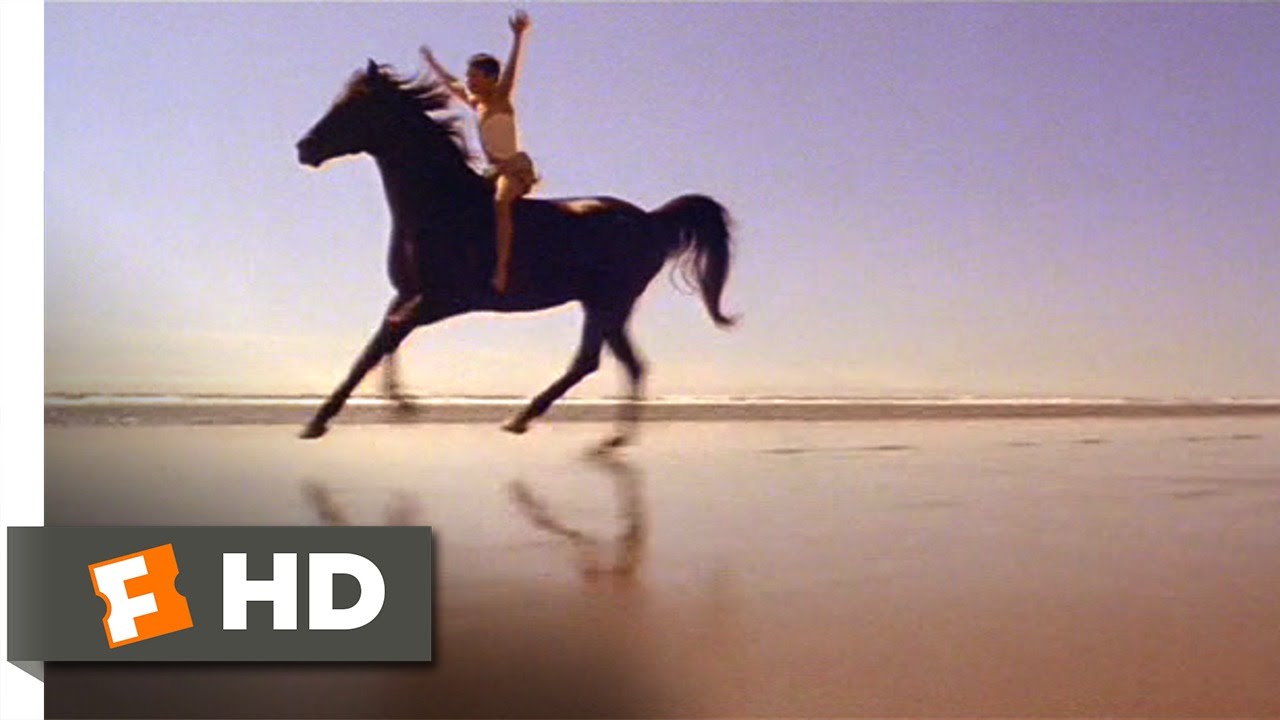
The Black Stallion is bookend-ed with two of Hollywood’s favorite tropes: the shipwreck and the horse race.
What happens in between, however, is anything but cliched. The 1979 film, produced by Francis Ford Coppola, is nothing short of magic, a profound adaptation of a children’s story that became arguably one of the first children’s art films in modern Hollywood.
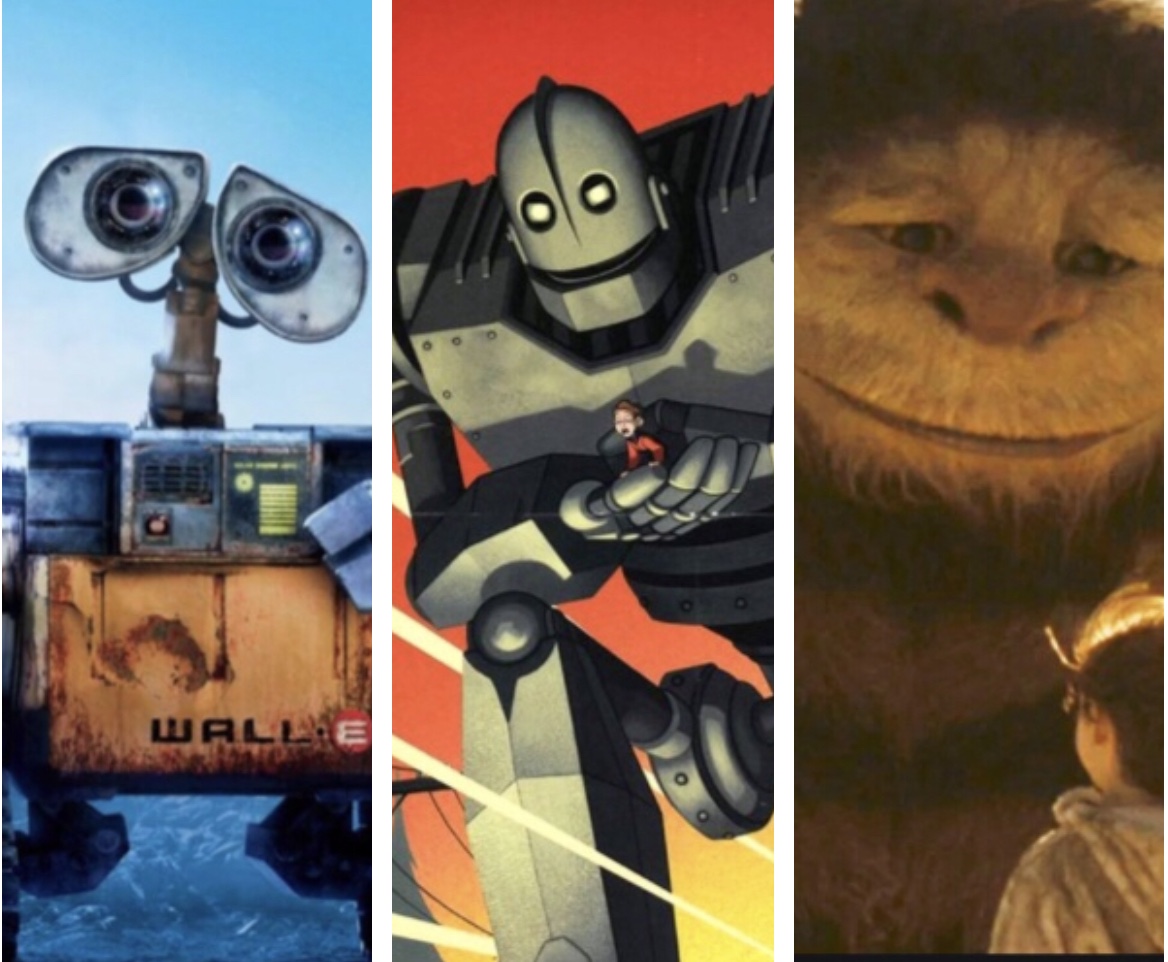
Several fine movies have followed in that narrow niche, including Wall-E, The Iron Giant and Where the Wild Things Are.
But those films had the luxury of computer wizardry. What you see in The Black Stallion is a novice director teaming with a novice cinematographer who filmed everything they stumbled across on the Mediterranean beaches of Sardinia, Italy.
And what a trek! They capture un-digitized rainbows, un-pixelated sunsets and unabashed animal tricks, including swimming horses and striking cobras. The first half of the film, which includes 28 minutes without a word of dialogue, is simply art projected on a screen.
Based on Walter Farley’s bestselling book series of the 1940’s, The Black Stallion movie contains some of the most impressive nature scenes committed to film. That they reside in a feature film makes Stallion a literal visual fairy tale.
Consider two scenes in particular. In one, Alec (played by 12-year-old Kelly Reno, a Colorado-born cattle ranchers’ son who’d never acted a day in his life) feeds”The Black” a leaf of seaweed to earn its trust — and eventual love. In a long tracking shot, Reno beckons the Arabian horse so close to his face the horse could have easily bitten Reno’s nose off.
In another, Alec awakens one day early in his odyssey to a cobra inches from his face. Both remain near motionless, cobra hooded and hissing, until The Black arrives to stomp out the threat. Reno is among real animals, and was separated from the cobra simply by a pane of glass. It is one of the most intense scenes ever in a children’s film, yet Stallion would still be freighted with a dreaded G-rating.
Despite Coppola’s name and sway, The Black Stallion would not see the same storybook ending as The Black. The film sat for two years as studio heads bickered over a marketing strategy — or whether to market at all.
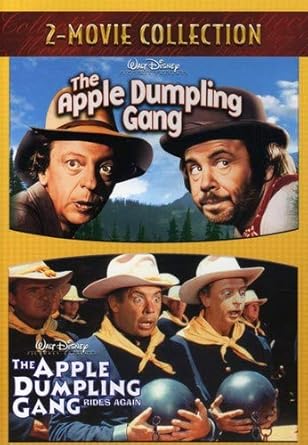
Despite some very adult themes, Stallion was saddled (sorry) with a G-rating that was tantamount to a death sentence at the time. Before computers made it relevant, the G-rated landscape was relegated to goofy live-action (The Apple Dumpling Gang, Escape to Witch Mountain) or traditional animation and puppetry (Charlie Brown, The Muppets). Dumplings may be simple, but they’re marketable.
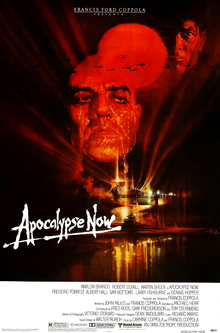
And consider Stallion‘s competition for thoughtful adults in 1979, which saw the premieres of Apocalypse Now, Alien and Kramer vs. Kramer, among others.
Not that the film lagged commercially: It cost about $3 million to make, and took in almost $38 million at the box office (enough to warrant an awful sequel). But its artistry — from scenery to soundtrack — would not be fully recognized until years later. It was recently featured on the Turner Classic Movies network.
Stallion is the the perfect launch for Deja Viewed in particular and pandemic viewing in general. It’s part silent, all poetic, and is in no rush to get anywhere. Kind of like us.
And, regardless of how trying the pandemic is on our lives, The Black Stallion puts quarantine living in context. At least we’re not waking up with cobras.
The Academy Award for best documentary, feature and short, often goes to the non-fiction movie that not only takes a revealing snapshot of the nation or world, but also changes the way we look at it.
Think Bowling for Columbine, the 2002 movie by Michael Moore and Michael Donovan that examined America’s gun culture, inspired by the Columbine High School massacre. Or An Inconvenient Truth, Davis Guggenheim’s 2006 film about global warming.
They’re usually films that have sizable budgets and notable stars. While less spectacular affairs than commercial feature films, documentary features often boast the traditional trappings of Hollywood: Moore is one of the movie industry’s most famous reporters; Truth had Al Gore as its narrator.
This year, however, there is no star, issue or publicity campaign that is going to rival the most important documentary of 2020 — or, perhaps, the decade. Or millennium.
That movie is the the 8 1/2- minute video of the murder of George Floyd, filmed by 17-year-old Darnella Frazier in Minneapolis.
After all, what movie, documentary or otherwise, has sent a cultural ripple like Frazier’s cellphone footage? Consider the impact it’s had on America since the May 25 death:
The city council of Minneapolis has vowed to disband the city’s police department.
The mayors of New York and Los Angeles—America’s two biggest cities by population—announced plans to cut funding for their police forces.
Cities nationwide are set to ban choke holds by police, make all local police shootings subject to review by independent agencies, or reduce police presence at schools. Congress promises similar federal reaction.
State lawmakers in Mississippi started drafting a resolution to change the state flag, which contains the Confederate flag in its upper-left corner.
The U.S. Marine Corps banned displays of the Confederate flag on its installations.
Monuments honoring Confederate leaders have been or will be removed in Asheville, North Carolina; Birmingham, Alabama; Tuscaloosa, Alabama; Mobile, Alabama; Alexandria, Virginia; and Louisville, Kentucky. (The governor of Virginia also announced plans to remove a large Confederate statue in the capital city of Richmond, but the plan now faces legal challenges.)
The city of Philadelphia removed a statue of Frank Rizzo, a former mayor and police commissioner who in the 1970s implored residents to “vote white”; the city of Antwerp, Belgium, removed a statue of King Leopold II, a monarch responsible for countless atrocities in Congo more than a century ago.
The Senate’s Armed Services Committee voted to include a measure in a defense-authorization bill requiring that military bases named for Confederate leaders be renamed.
Corporate leaders, facing criticism for racial insensitivity, have resigned from positions atop CrossFit, the Poetry Foundation, the city of Temecula, California, the co-working company The Wing, the publication Refinery29, and The Philadelphia Inquirer.
Alexis Ohanian, a co-founder of Reddit, gave up his seat on the company’s board of directors and requested that his replacement be black; the company honored his request, appointing Michael Seibel, the CEO of the start-up-investment firm Y Combinator.
NASCAR banned displays of the Confederate flag at its races. U.S. Soccer, the organization overseeing the country’s national soccer teams, repealed a rule that banned players from kneeling during the national anthem.
LeBron James and several other athletes and entertainers are forming an advocacy group that will encourage African Americans to vote in the 2020 presidential election, as well as work to protect their voting rights.
Roger Goodell, the commissioner of the National Football League, apologized for ignoring the complaints of African American players for years, and said he recognizes their right to protest peacefully, as Colin Kaepernick had by kneeling while the national anthem was played before games.
IBM ended research into and sales of its facial-recognition software, citing concerns about racial profiling when the software is used in the context of law enforcement; Amazon suspended the use of its facial-recognition systems by police departments for a year, which it said “might give Congress enough time to put in place appropriate rules” regulating the technology’s use; Microsoft pledged not to sell facial-recognition software to police departments until such rules are established.
Walmart said it will stop keeping beauty products marketed to African American customers in locked glass cases; the cosmetics retailer Sephora said it will start dedicating 15 percent of its inventory to products made by black-owned businesses.
The Paramount Network canceled the TV show Cops, which presented a flattened moral universe in which the cops (many of them white) were good and the people they confronted (many of them black) were bad.
HBO removed Gone With the Wind from its streaming service and said it plans to eventually present the movie “with a discussion of its historical context” and a denunciation of its portrayals of race.
You can argue how many of these measures were directly due to that riveting short film. And you can argue the merits of the steps taken. But, regardless of where you sit on the political spectrum, there can be no debating this: That movie has forced America — and the world — to examine how it sees race.
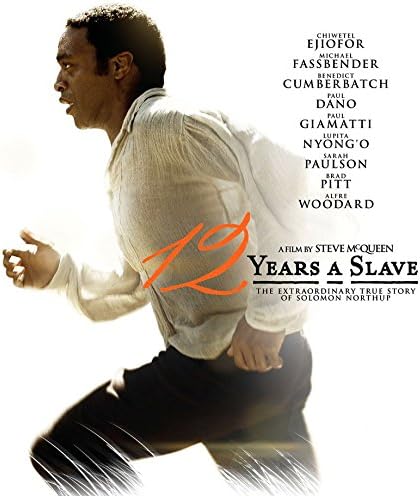
Perhaps more than than 12 Years a Slave, the 2014 film that captured Oscar’s grand prize, Best Picture.
The problem is, the viral movie does not qualify under the Academy of Motion Picture Arts and Sciences’ (AMPAS) guidelines for eligibility for an Oscar. Those rules, which were changed this year due to the COVID pandemic, include that the footage run in “qualifying” theaters if and when movie houses reopen at large. Short of that, the new academy rules stipulate that qualifying movies “be made available on the secure Academy Screening Room member site within 60 days of the film’s streaming/VOD release or broadcast.”
A New Oscar Category
I have no idea whether there’s an effort underway to meet AMPAS’ guidelines to make the footage eligible for an award, but it shouldn’t have to. The Oscars should make a new category to recognize that kind of movie.
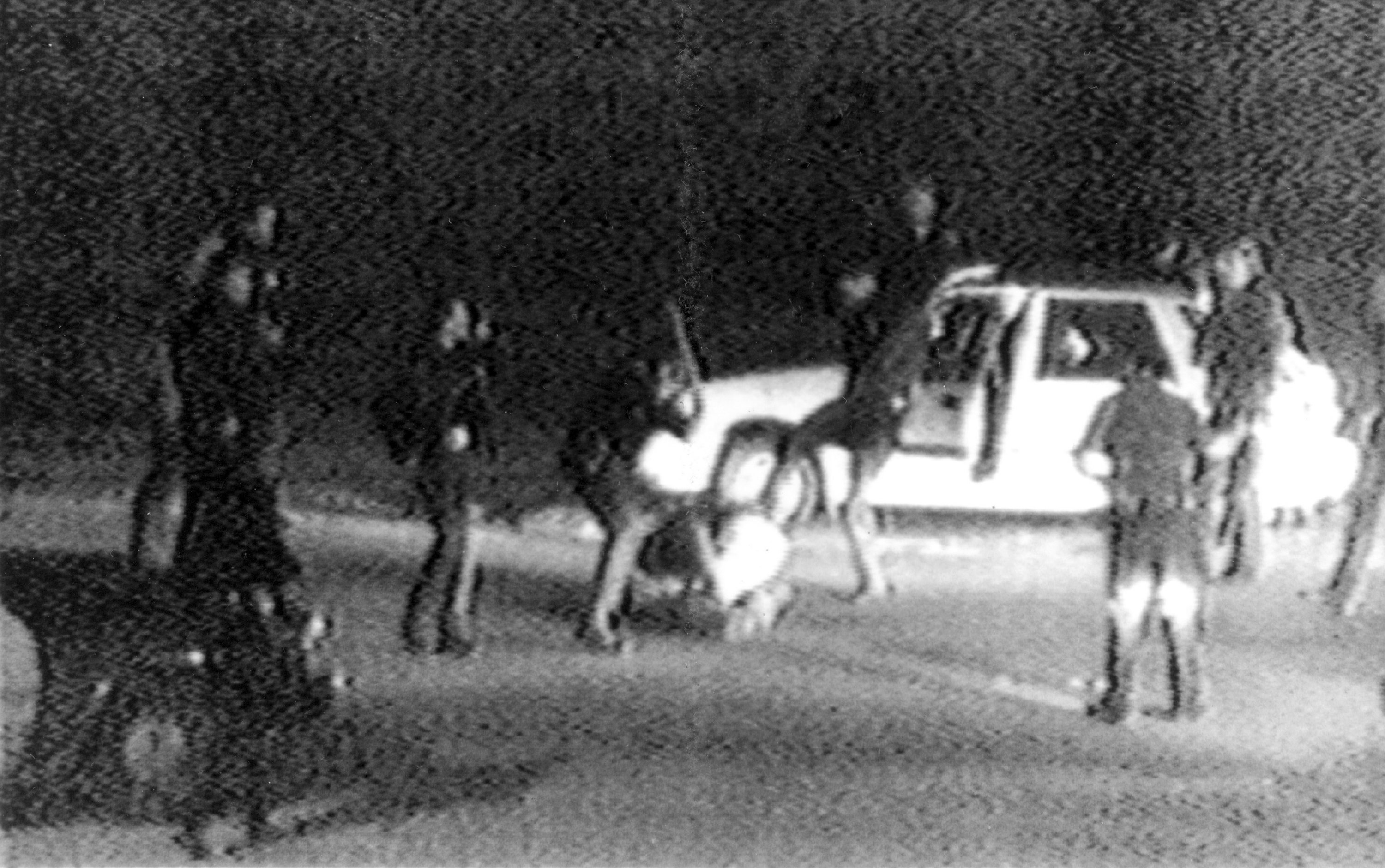
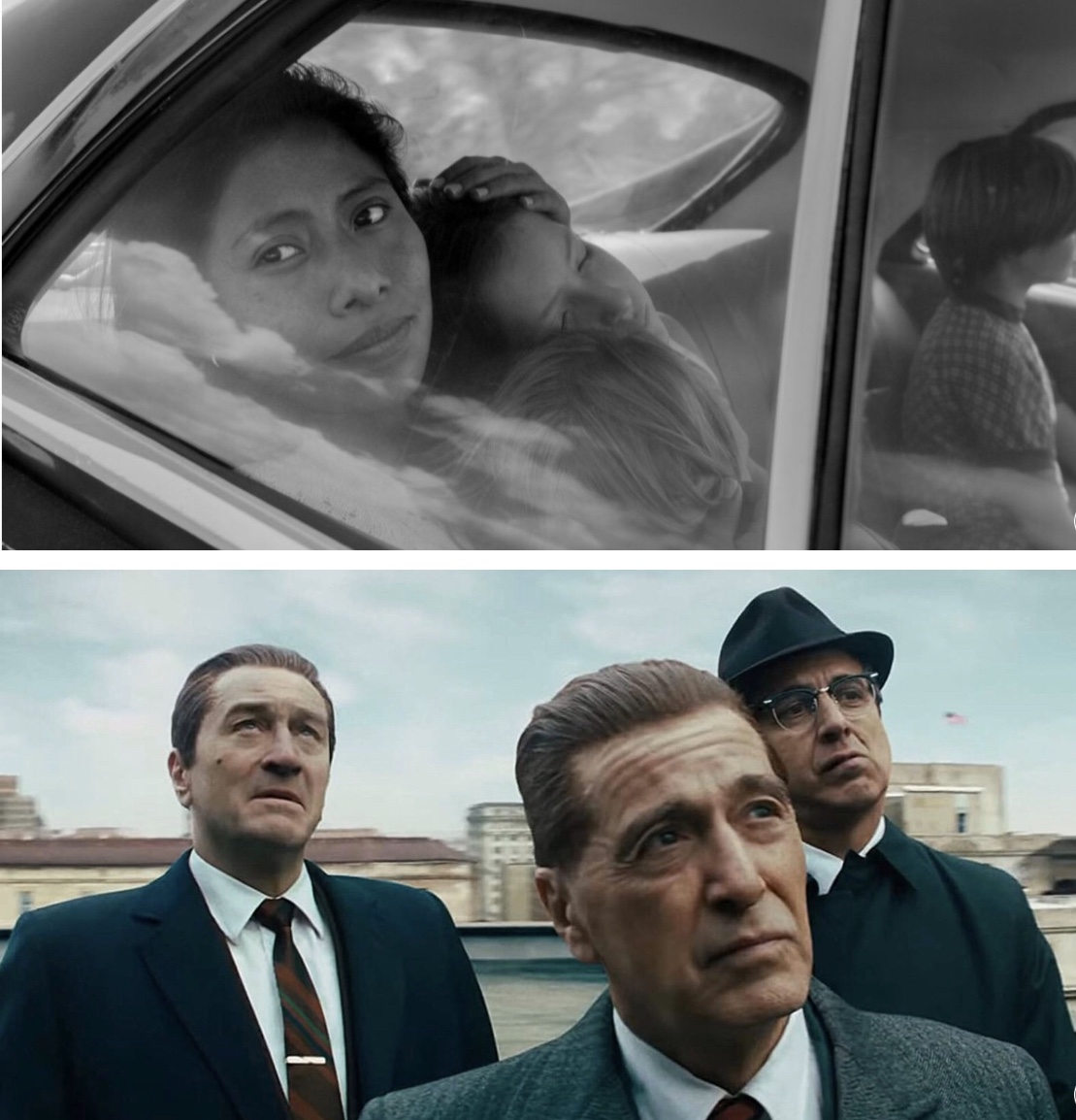
After all, viral videos have become part of our moviegoing experience, even if we’re just going to our computers. Just as Netflix and other streaming services have managed to get on the Oscar radar (think Roma, The Irishman, etc.), viral videos have managed to get onto our radar. Think everything from the Rodney King beating to Donald Trump’s “pussy grab” tape. They have altered the very landscape of political discourse.
There should be a formal acknowledgment of that impact from someone in the movie industry beyond a celebrity wearing a Black Lives Matter t-shirt. Hollywood directors can be finicky about who should qualify for a gold statuette (Steven Spielberg and Christopher Nolan, for instance, vociferously challenge Oscars that do not entourage the in-theater experience, and they make strong arguments. The theatrical experience is unmatched in a theater.
But in the YouTube/Twitter/Facebook era, we cannot ignore the impact of seeing something on a screen no bigger than a cellular phone.
Oscar Would Become Relevant Again
If the Floyd video underscores anything, it’s that the time to act is now. And it just so happens Oscar is looking for a way to become once again relevant.
In recent years, the Academy Awards have developed a reputation for being too white, too male, and too out of touch with everyday Americans. And it’s cost the award show dearly in ratings.
Viewership for the 2020 Oscars plunged to a new low in February, with an audience of 23.6 million tuning in to watch the broadcast on ABC, according to Nielsen. That’s a 20 percent drop from last year, and roughly three million fewer than the number of people who tuned in for the 2018 ceremony, the previous low.
Imagine the viewership for the first Oscar telecast to honor a viral video. It would attract young viewers. Minority viewers. Viewers who don’t watch movies. The very people the Academy cannot coax now. The same could probably be said for any film critics circle that makes room for viral videos. If, for instance, the Golden Globes were the first with such an award, which show would you watch?
The Public Service Pulitzer Of Movies
An Oscar for the video with the largest cultural impact of the year could also serve as a sort of Pulitzer Prize for the everyday citizen. The granddaddy Pulitzer is the Public Service Pulitzer, but it does not recognize viral videos either. For once, an Oscar could mean more than an impressive trophy on a Hollywood shelf.
The ripple effect of such an award would be seismic. The public is already infatuated with Hollywood. Think of how many people would begin documenting what actually occurs in their corners of the world. They would illuminate everything from hunger to homelessness in ways that even the most creative filmmakers cannot imagine.
This runs a risk, of course. People may be tempted to stage movies or embellish the circumstances they’re portraying. But America’s Funniest Home Videos has run a similar risk for years, and managed to weed out the forgeries. The Academy could stipulate veracity rules into its guidelines just as it has vets content for other types of films.
Frazier Deserves Recognition
Even on a filmmaking level, Darnella Frazier deserves recognition. Like a war correspondent, Frazier faced immense challenges and dangers, yet displayed profound bravery in making her movie. She confronted the very real possibility of being arrested, Maced, or forcibly removed from the scene.
But she stood her ground, in broad daylight, and openly recorded the injustice she saw unfolding before her. How many filmmakers have demonstrated that much courage, calmness and on-the-spot thinking as Frazier. The list is surely short.
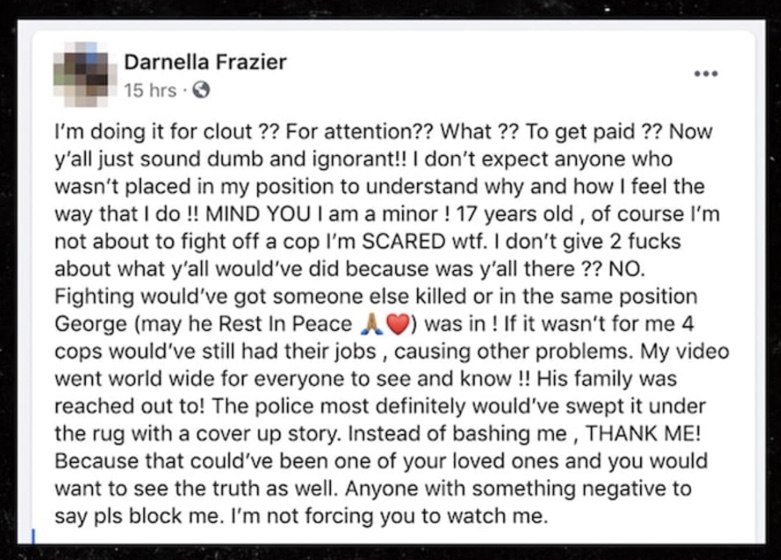
And she’s received so much grief for her actions. Some critics have excoriated her online for seeking recognition or reward for the video. Just look at her tweet following the airing of her movie:
This is a teenager we’re talking about. One who spoke up, stood her ground — and caught more than a little hell for it. Michael Moore even said on his podcast that her movie was the documentary of the year. The young woman deserves a trophy. Many of them, in fact.
Someday, a Hollywood documentary filmmaker is going to make a movie about the video and the aftermath that followed. Perhaps they’re doing so right now. Netflix may have already secured film rights to it.
Someday, it may be eligible to officially compete for an Academy Award for Best Documentary Feature. I can see the title (which I offer to Darnella, who has more than earned the right of first refusal): I Can’t Breathe.
But instead of acknowledging the sea change that’s occurring in the wake after her film, why not be a part of it?
It’s hard to say specifically which day the movies died. It’s not like music, which could say Feb. 3, 1959 — the day Buddy Holly, Ritchie Valens, and “The Big Bopper” J. P. Richardson died in a plane crash near Clear Lake, Iowa.
We don’t have a dramatic departure for the movie hero, no ride into the sunset, no plane ascending a Casablanca night sky. But make no mistake: There was a sad farewell.
Maybe it was Oct. 27, 2018, the day Roma was released on Netflix and considered a legitimate contender for Best Picture. Or maybe it was Sept. 27, 2019, when The Irishman was released (again, on Netflix) and considered the early Oscar favorite. Perhaps April 28 of this year, when the Academy permitted streaming films to compete for the industry’s granddaddy prize.
Regardless, COVID-19 has guaranteed that films, at least as we know them, are dead.
Not dead and gone. People, particularly young people, still like movies. There will be a market for them when lockdowns lift, vaccines bubble and our herd feels comfortable becoming a community again.
But when it does, will theater chains still be there? Already, the theaters business — battling the Internet, gaming and streaming hysteria — were operating on razor-thin margins. When COVID hit, Tinseltown was already wheezing.
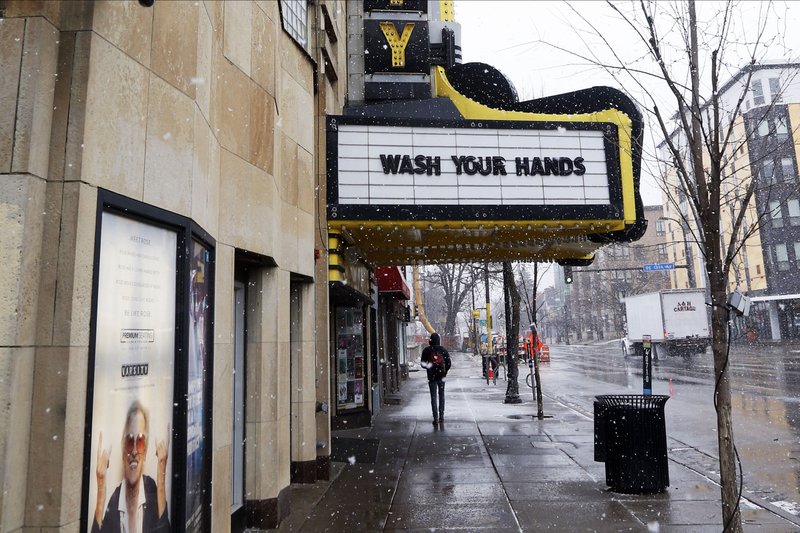
And now? The National Association of Theater Owners reported that 89% of the nation’s movie screens went black with the virus. The association requested — and will receive, if Trump is to be believed — billions of dollars to keep theaters running and its 150,000 employees paid.
But will that do? AMC Theaters announced it will raise $500 million in debt just to stay afloat during the pandemic. Cinemark, the third-largest movie theater chain in the US, has laid off half of its corporate staff and furloughed 17,500 hourly workers due to coronavirus pandemic restrictions.
And how exactly will social distancing work when you’re gathering a few hundred people to sit for a couple hours in the dark? Limiting seating and rows is one strategy. But we’ve got about 40,000 theaters in the country, all of which depend on shoulder-to-shoulder seating.
It doesn’t help that Hollywood has lived off an embarrassment of riches for decades. Last year’s biggest movie, Avengers: Endgame, had a budget of $400 million. Who would drop that amount on a movie now?
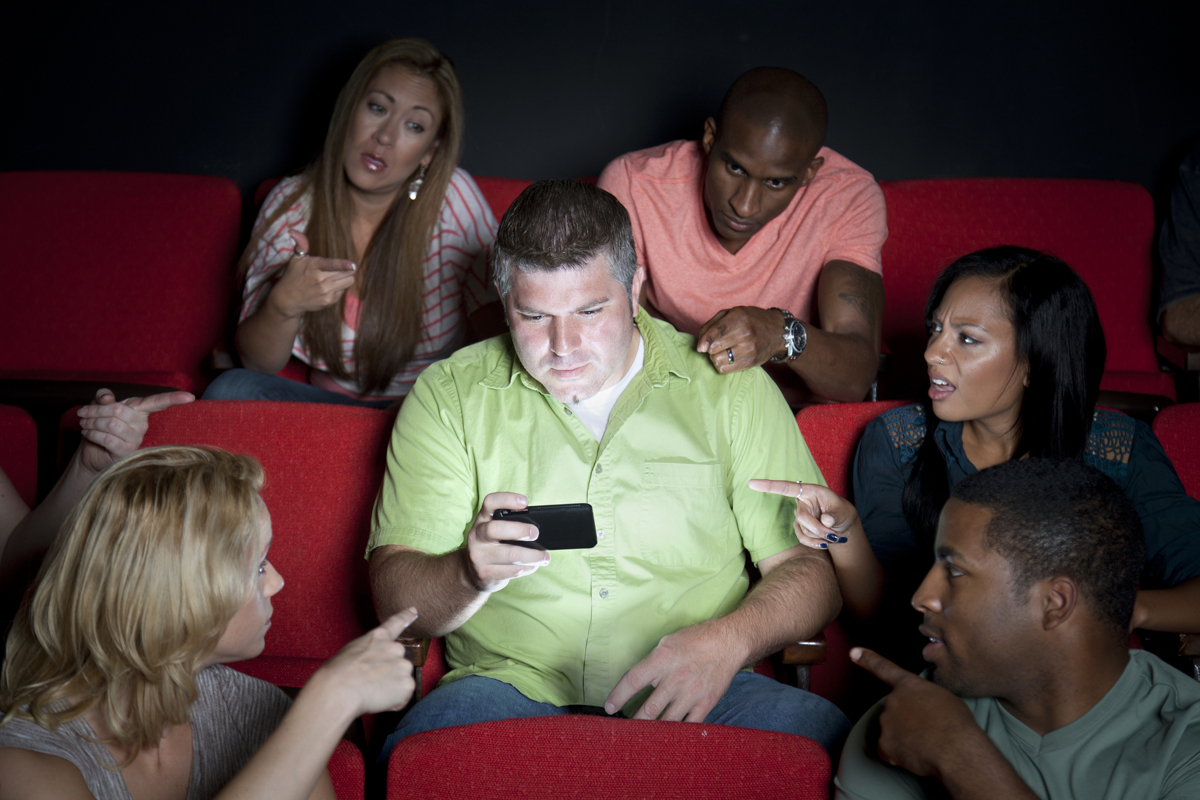
In 2018, the average movie ticket was $9.11, the first time movies eclipsed $9 a pop. Theater owners rightly say that $9 is far cheaper than a concert or a sporting event. Of course, that $9 has to be multiplied by the size of your family, and does not include the cost of food, drink, parking and the aggravation of sitting next to assholes.
And, as is its tendency, Hollywood’s reality was blissfully unwavering in its ways. Studio chiefs note that ticket revenues eclipsed $11 billion last year, and film remains one of the country’s most potent exports (internationally, Hollywood has never done better).
But once you’ve adjusted for inflation, about 240 million Americans see a movie every year, a stat that has remained relatively flat for two decades. And steady business is a failed formula when worker salaries balloon to eight figures, their product, nine.
The theater association is fond of saying that it’s faced threats before — television, cable, video, streaming — and emerged victorious every time.
But cinema’s decline will be marked not by a decapitation, but a death from a thousand cuts. True, we did not stop going to movies when TV became, essentially, a superior medium. Same when Netflix arrived; salaries and budgets never stopped ballooning.
But, little by little over the years, rust began to discolor Hollywood’s gleaming 1968 Ford Mustang 390 GT Fastback from Bullitt.
Studios may have collectively already surrendered to the virus. In March, Universal Pictures announced that its theatrical films would be made available at home on opening day, a first for the industry (normally films had to three months in theaters before heading to home viewing). It wasn’t long after competing studios followed suit, and now the industry charged around $30-$50 per new release (a good bargain if several people are watching together).
I’m certain that much calculation went on into “at home” tickets. Surely, studio heads factored in how many Americans watch a movie together, with families, in pairs, etc. The statistics are there.
The conditions, however, never have been. Until now. Regardless of the accuracy of studios’ predicted prices, this is a shot in the dark, plain and simple. When have we ever considered a pandemic in our economic forecasts? What happens, for instance, if studios discover the break-even price is $129 a film? Will audiences accept a doubling?
In my 30 years of reporting (!), I never had to go on strike for my newspaper, though I worked for several papers that did strike — and my father was a lifelong member of the Newspaper Guild, a division of the Teamsters. What I learned was that, regardless of the might of either side in a strike, nobody wins, because circulation inevitably falls off permanently.
The lesson: Don’t push people to see how much they can do without. They’ll surprise you.
The virus may ultimately be a blessing to the industry. Studios leery of bankrolling quarter-billion gambles may put their money on cheaper experimenters, as in the 70’s. Television has already gone through a remarkable transition, morphing into cinematic entertainment like The Wire and Breaking Bad. The pandemic need not be an end to one of our tribe’s favorite rituals.
Perhaps instead movies will go the route of Broadway: Something to attend when the event is extraordinary. Or baseball games, where you get the full immersive experience.
And there’s already an upside: The 300-some odd drive-in theaters across the country are reporting a pronounced uptick in business. Some theaters are selling out Friday and Saturday night shows, and others are reporting a spike in business of more than 300%
And doesn’t a drive-in on a cool summer evening sound dreamy?
The change is coming. We simply have to accept it, channel our reboot resources, and realize that many of our impressive cardboard forts are no match for rain.










![Her - Official Trailer 2 [HD] - YouTube](https://i.ytimg.com/vi/ne6p6MfLBxc/maxresdefault.jpg)







 The Hollywood Bowles