The Hollywood Bowles

Those who can't write, edit. Those who can't edit, blog.


A world in chaos. Terror attacks run rampant. Deportation is the hottest issue on a worried public consciousness as walls keep immigrants from interacting with native citizens.

A documentary? A nightly newscast? A Trump political ad?

Try Children of Men.

Ten years after it hit screens, wowed critics and cemented the reign of the “Three Amigos” over Hollywood, Alfonso Cuaron’s ominous tale of an infertile human race remains as prescient and topical now as it was a decade ago.

If anything, it has grown in stature, becoming a video cult favorite, spawning academic debate and influencing films today in what critics consider a new wave of cinema akin to the French films of the 1960’s and 70’s.

Not bad for a commercial flop.

From its stunning opening to a sprint of a finale, Children proved two hours of frenzy on film. Utilizing handheld cameras and seamless tracking shots, the picture would earn a raft of critic top-10s with its story of a government paper pusher (Clive Owen) who finds himself the charge of humanity’s last pregnant resident, Kee (Clare-Hope Ashitey).

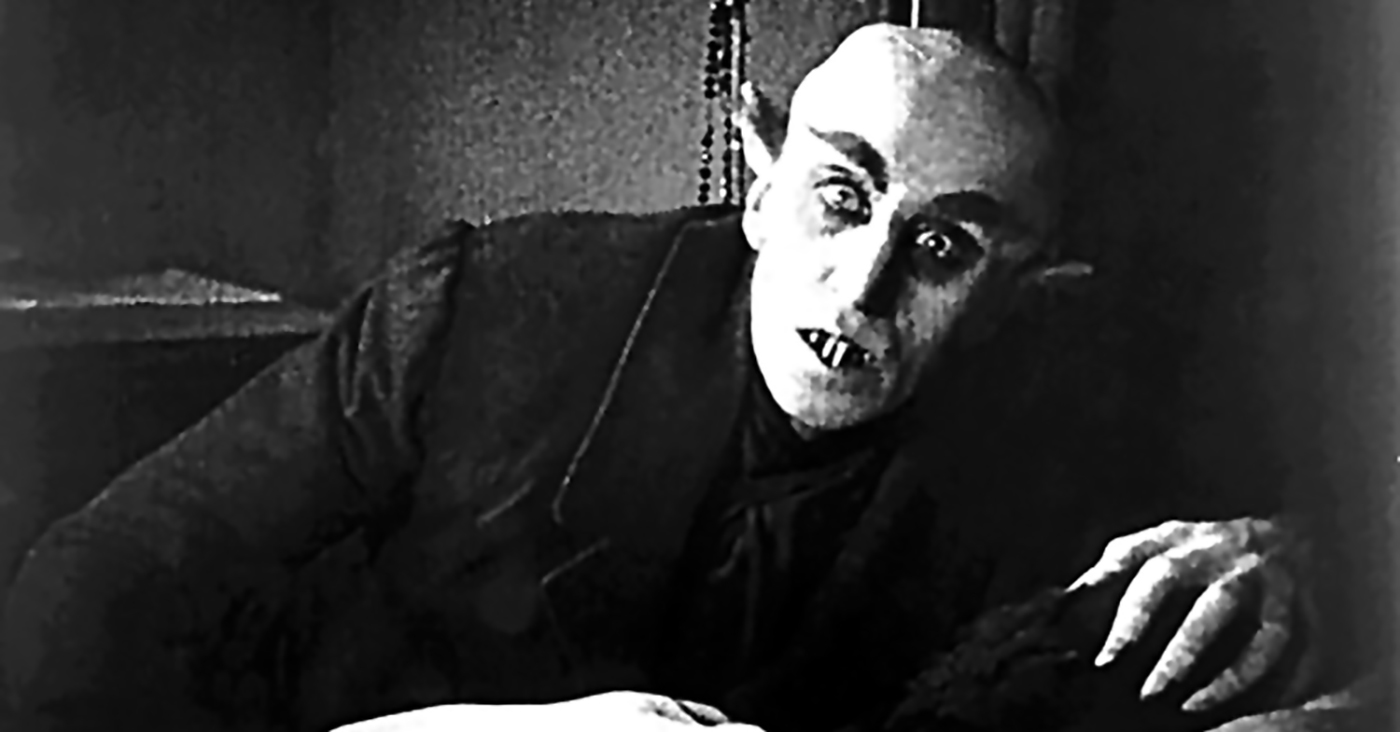
The film would earn three Oscar nominations — best writing, editing and cinematography — on its way to 41 other movie awards and nominations. Roger Ebert compared it to Metropolis and Nosferatu. metropolisnosferatuThe New York Times called its final battle sequence one of finest “ever seen on film.”

Yet it never really took off at the box office. With ticket sales of about $35 million, the grim tale collected less than half its production budget. When it opened on Christmas weekend 2006, it did a paltry $180,000 in limited release — about the catering cost of a Michael Bay opus.

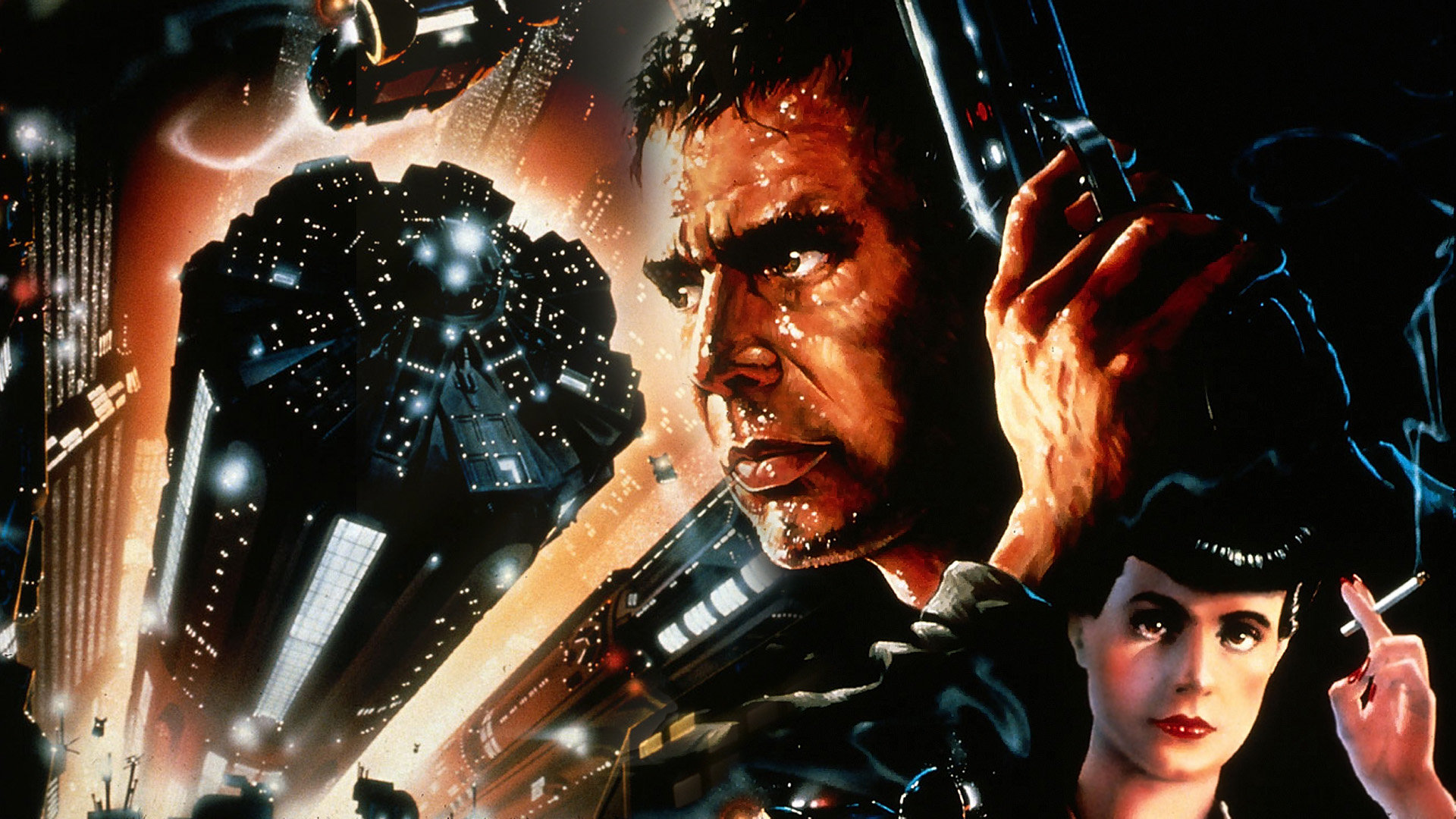
But like The Matrix and Blade Runner, the dystopian cautionary tale found an audience over the years. matrixblade-runnertAnd like those films, Children has become a benchmark for science fiction — largely for its timeless nature. Word of mouth and steady video rentals would ultimately make the $75 million film a tidy profit for distributor Universal Pictures.
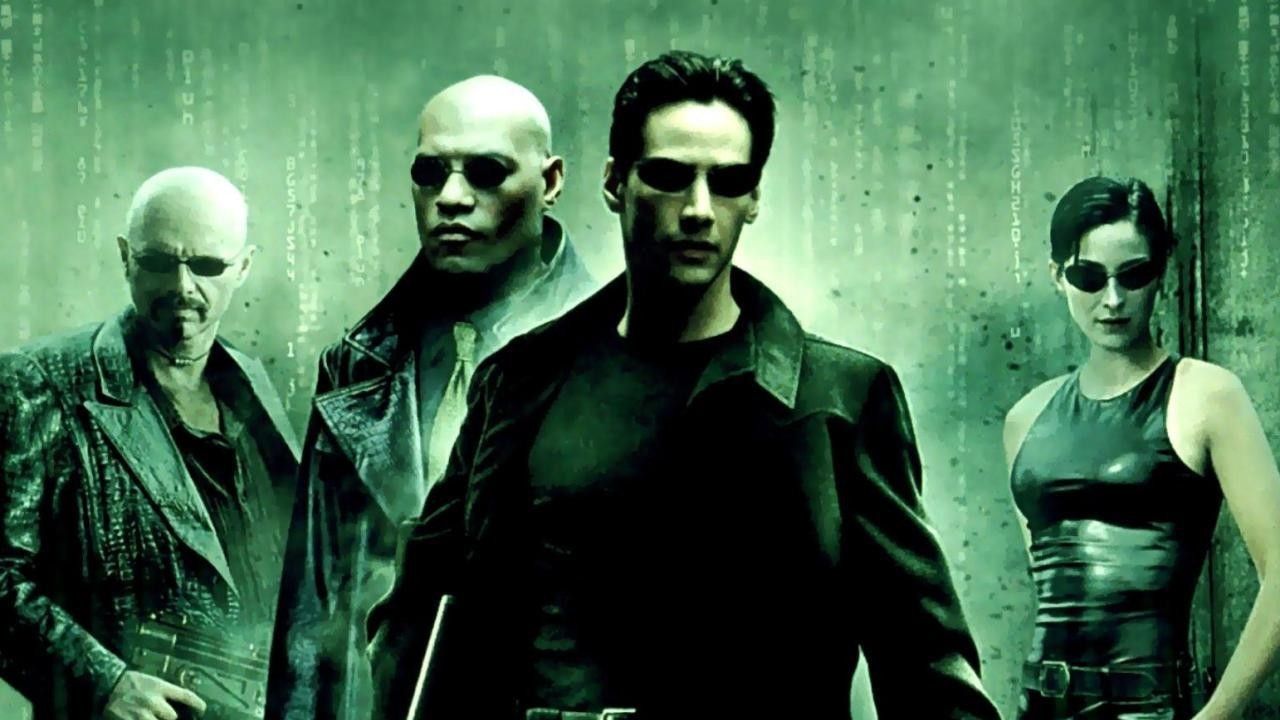
And its audience continues to grow. Children has become a springboard for debate among academics such as Stanford senior fellow Francis Fukuyama, author The Origins of Political Order and The End of History. Fukuyama tours the nation with the film, using it as the fulcrum for geopolitical debate over a growing populace squabbling over a shrinking natural resource pool.

Indeed, there’s no escaping the topicality of Children. The movie’s Muslim-Christian tension resembles BBC footage. The story’s narrative kindling — the percolating firestorm over immigration — could have been come from the teleprompter of the Republican National Convention. The story’s immigration center is located in Bexhill, England. (Brexit, anyone?)

Technically, the film’s shaky, handheld camera — usually holding on long, extended takes — is the hottest flourish in Hollywood, thanks to editing technology that makes cuts a stylistic choice, not a filmmaking necessity.

Consider the brutal car ambush scene (spoiler alert), which takes place about a half hour into the movie. In addition to putting the film into overdrive (and killing a character in stunning fashion), the bloody chase/shootout lasts more than four minutes without a visible cut. (Orson Welles’ classic one in Touch of Evil lasted three, once considered an eternity.)

Since Children, directors have engaged in a contest of tracking shots, essentially seeing who can hold their breath the longest; Cuaron’s Gravity opens with a tracking shot that lasts an epic 17 minutes. Birdman, the 2014 film that captured Best Picture, plays as one entire tracking shot, without a single visible take.
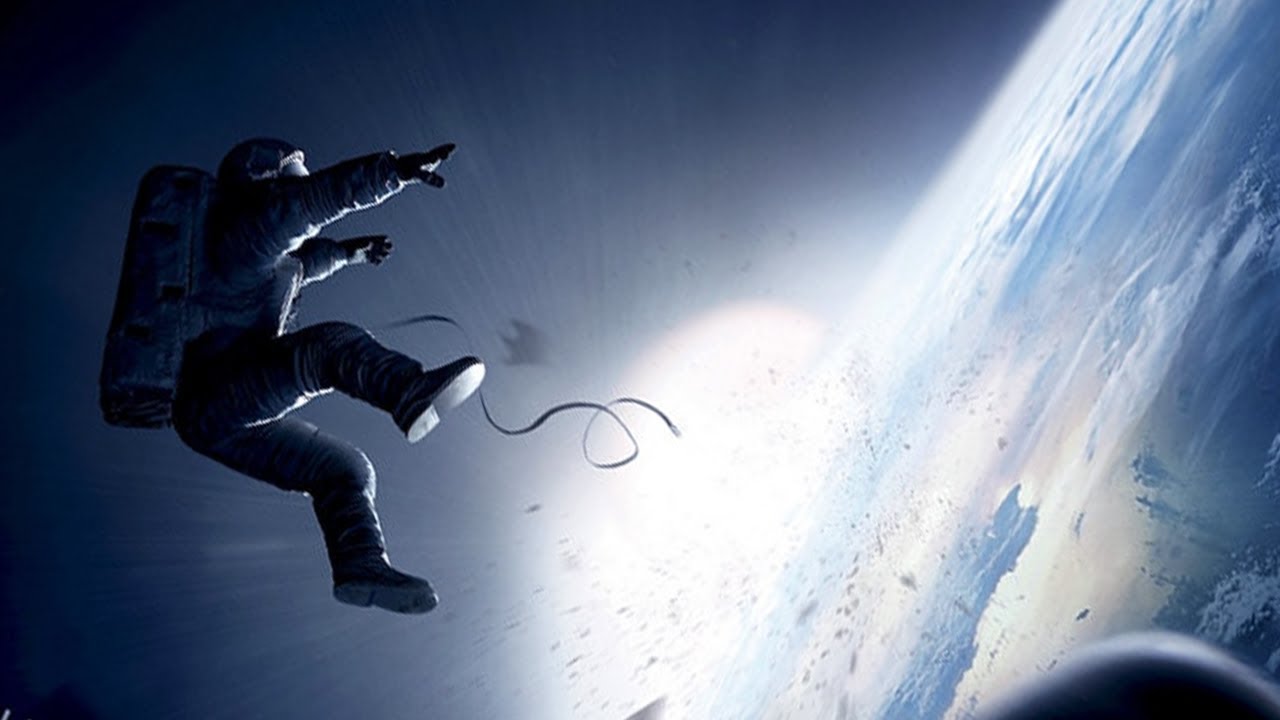
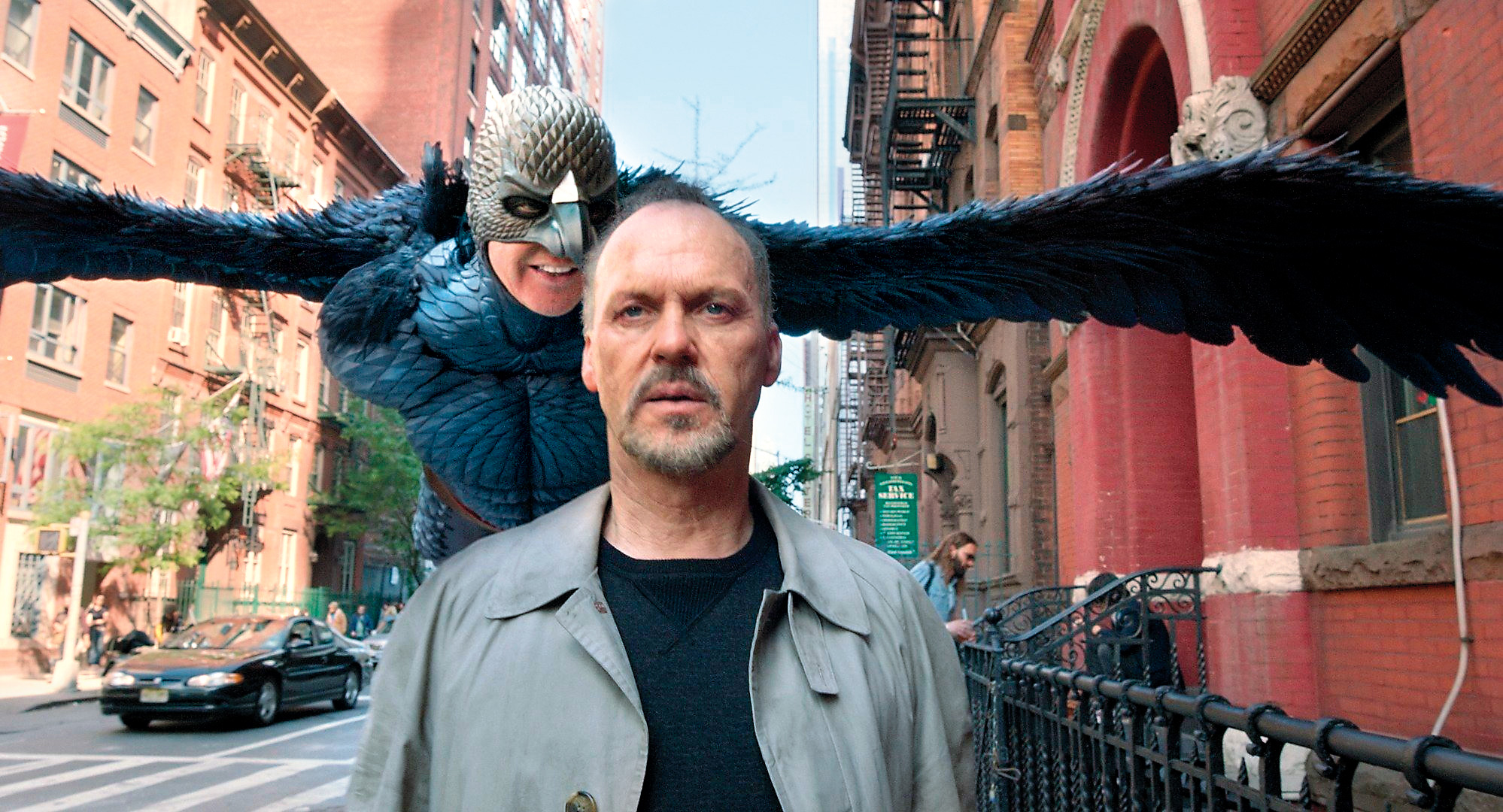
gravitybirdman

Speaking of which: Those movies came courtesy of Cuaron and Alejandro Gonzalez Inarritu. two-thirds of Hollywood’s “Three Amigos” trinity. Along with third member Guillermo del Toro (Pan’s Labyrinth, Pacific Rim), the men have have hurtled the industry into a technically-savvy style not unlike the movies of the French New Wave movement. Last year, Inarritu became the first filmmaker to win back-to-back directing Oscars (Birdman, The Revenant). Consider it the Latin New Wave movement in cinema.

Both movies took their aesthetic cues from Cuaron’s bleak vision of the world 20 years in the future.

“It is above all the look of Children of Men that stirs apprehension in the heart,” mused Ebert. “Is this what we are all headed for?”

It may be the end of the world as we know it, but on the big screen at least, it all looks fine.

 

As a Houdini wannabe — there’s gotta be a term there somewhere — I often find myself scouring YouTube for explanations of how magic tricks are performed.

the magician-1

Some are genius. Some are painful. But all are, to some degree, a mirror.

After a random question from a friend (“How do they levitate on the street?”) and wanting to give an answer more elaborate than “harnesses and prosthetics,” I hopped on the worldwide inter tubes to give a more palatable answer.

float

Instead, I found David Blaine and Criss Angel explaining how religion is created.

It all surrounded Blaine’s pride, Angel’s covetousness, and the lust, anger and gluttony of both.You really couldn’t accuse either of sloth.

The dispute was over levitation, a trick as tried, true and familiar as a rabbit in a hat. More specifically, Blaine’s first of what seems countless specials on TV. Blaine — who never gets enough credit for being an impressive athlete — could not help but include video snippets of fan reaction to his miracles. In particular, his apparent ability to hover a full foot above the ground, with the backs of both feet clearly levitating.

It’s an impressive trick, and the audience reaction truly is entertaining.

Still, it’s a trick. One that generated much publicity, fan interest and, not accidentally, riches.

It was enough to send TV rival Angel over the top. He committed the Original Sin of Magic: revealing the secret. That’s followed by the other Commandment: “Never do a trick twice.”

Instead, Angel did it over infinitely. And in slow motion. And in freeze frame.

Angel cannot help but claim credibility as the true Jesus (or perhaps Mohammad as an alternative faith), offering “when I did this trick” with a clip of his own version. Even when you know the secret, it’s an impressive feat of balance and dexterity, as are all impressive public performances.

Watch the videos back-to-back, and you will see how belief is born.

Blaine even slightly resembles the Western version of how God’s tyke looks in the oil paintings.

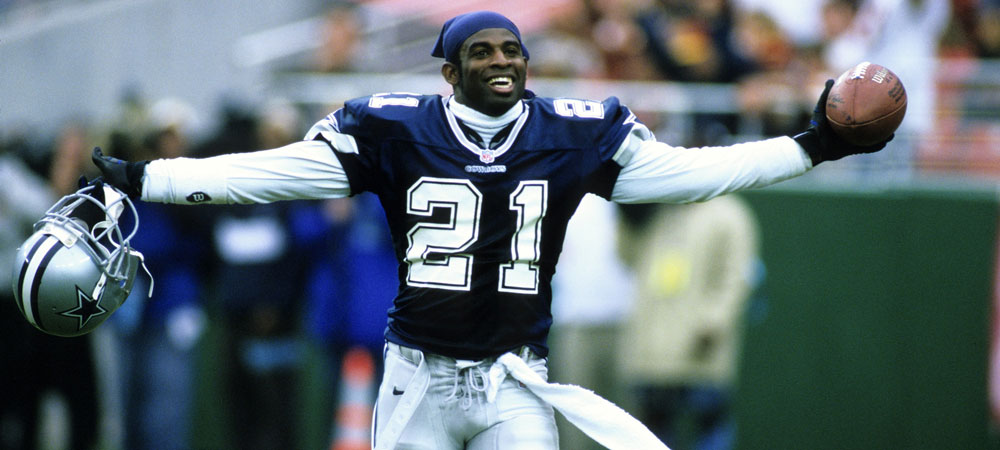
Humbly in the video, he asks common folk to look at his feet. Suddenly, he floats above the earth, sending witnesses into awestruck wonder. Some scream. One woman nearly faints. Former NFL star Deion Sanders literally runs away, ducking into an alley as he covers his mouth.

The most telling moments, however, come after the trick, as spectators describe what they saw. One interviewee says simply that Blaine briefly flew like Superman. There were no wires, no tricks, no deceptions; there’s just something different about that man. Another witness tries to validate the miracle, saying she’s “read about this,” as if to provide guarantee. She explains that those who are spiritually gifted can harness the energy of the world to defy its physics.

So we have the miracle: the levitation. Or you can replace “levitation” with “rise.” Or replace “rise” with “resurrect.” Whatever your linguistic preference.

We have the witnesses; those who know what they saw.

We have the conversion, as those witnesses explain that what they beheld was not trickery, but something truly supernatural. I wonder if they ever saw Angel’s video. I wonder if they care. Especially Sanders, a veteran of video illusion, who sought out teammates to spread Blaine’s gospel.

deion

Now imagine that none of this was captured on video. Instead, it was handed down for centuries by legend, song and dance by those who would have considered seeing a toaster as foreign and supernatural as a talking snake.

godtoaster

Over time, the dispute over the miracle would become, well, biblical.

The magician rivalry even gave birth to douchebags like this, who seek only to profit — in this case, in views and likes — by claiming clarity in the storm.

Those would be the evangelical proselytizers. The guy even resembles the Western version of those, too.

Now that’s revelation, homes.


So rare, when sensation meets realization.

How often do we hype up, only to be let down? Titanics sink. Hindenburgs blaze.  Y2Ks fizzle. Super Bowls are rarely super. And you just know the new Star Wars is gonna suck.

hindenburgstarwars

But somewhere, a pig is flying over its pasture. Somewhere, Satan is getting pelted with snowballs. For I have seen far more miraculous.

I applauded Ted Cruz.

Sure, he’s still crazy as a spotted loon. And there’s a residential suite waiting for him in hell for holding gun rallies at the site of school massacres (where he often eats bacon heated only by the hot muzzle of a freshly-fired AR-15).

cruzbacon

Still, there was something gratifying about Cruz’s turning on Donald Trump. Like when a pit bull mauls its dogfighting owner.

Add to that the plagiarism scandal of Trump’s 11th wife, the Hitleresque anger over party dissent and an acceptance speech that Vito Corleone would have envied (Trump may as well have said “Nice country you got here. Shame if something should happen to it…” It was a reality show that lived up to its publicity, if not its promises.

Admit it: Didn’t you expect Chris Christie to burst in anger like a suicide bomber humpback whale when he learned he’d been passed over for vice president in favor of a human cue tip?

christiepence

None of the carnival acts, however, broached Cruz’s speech, in which he urged — to a thundering chorus of boos — that Republicans vote their consciences in the next  election. Think about that contempt for thoughtfulness for five seconds.

Because the media did not. In our desperate search for something to filibuster 24 hours a day, we blathered over how Cruz had betrayed his party. How he doomed himself for Senate re-election. And we had truckloads of b-roll footage of Trump’s assault on Cruz’s wife and father that we couldn’t wait to rerun.

But ponder the unthinkable: that Cruz may have made the canniest maneuver of his political career.

Consider: When he knew he wasn’t going to win the Republican nomination, what did Cruz have to lose? He is positioned perfectly for a third-party presidential run.  And while a third party won’t win the presidency this year, it could derail one. Cruz remains an icon of the religious right, which has hardly been converted by Trump. Even the Pope took a dig at Donald, suggesting he tone down the homophobia (when devout Christians tell you to take it easy on the LGBT community, you know you overreached). pope

And to the fellow reporters predicting doom for Cruz’s political career, remember: We said the same thing about politicians who voted against invading Iraq.

Trump may have won the Michigan primary, but he apparently didn’t learn Detroit’s rule of thumb: Never talk about someone’s mother. You’re likely to get the shit beaten out of you. Or, at the very least, a snap-back.

And Cruz seemed hellbent on delivering one to Trump: “Yo mama, yo daddy, and yo slappy happy grandpappy.”

Perhaps we were premature in declaring 2016 a banner year in sports.

Apparently, a free agency has ruined athletics everywhere.

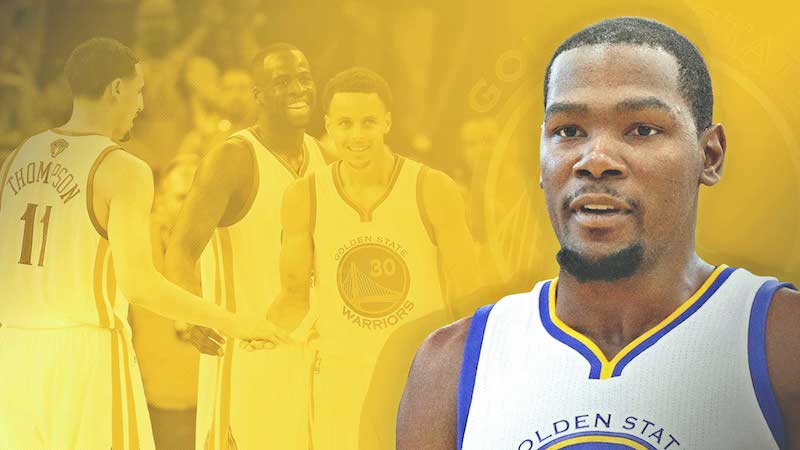
Or so declared every blubbering bobblehead on ESPN after The Oklahoma City Thunder lost prodigious forward Kevin Durant to free agency and its sworn enemy, The Golden State Warriors.

image

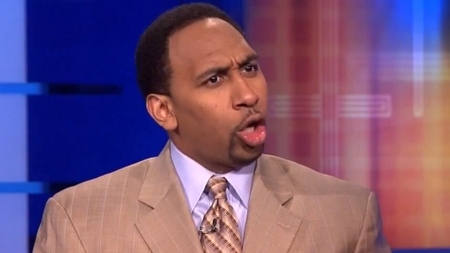
You would have thought George Washington were revealed a British cross-dresser, the outrage ran so deep. Stephen A. Smith, the loudest of ESPN’s bullhorns, called it the ‘most cowardly move’ in the history of sport. Not just the NBA. Sport. You know, gladiators and the Olympics and O.J. Simpson and shit.

image

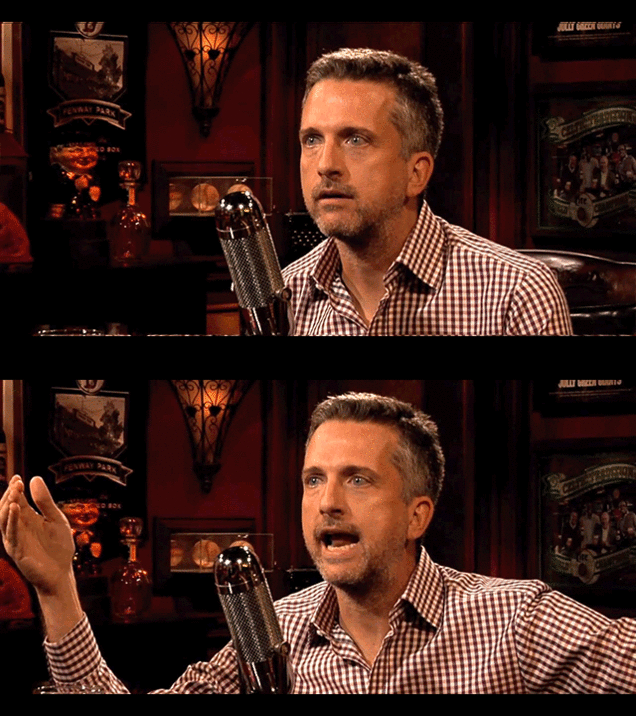
The self-flatulating Bill Simmons proclaimed that the Warriors now had the NBA’s greatest “supergroup” lineup in basketball history. imageFrom the covers of The Huffington Post to the Hollywood Reporter, a viral video of a toddler vowing to punch Durant in the face became the emblem of a brokenhearted city.

I get the hurt. I could never forgive the Detroit Lions for moving to Pontiac (bitterness probably fueled by dad’s stories about Pontiac laying off police to pay for the stadium).

Still, this Chicken Little response seems a bit much, if inevitable. Yes, the betrayals must sting, the shifting allegiances must discourage.

But name a sport that isn’t contaminated by money. Long ago, free agency turned major American teams — regardless of sport — into a collection of millionaire gypsies, villains to hiss. Think of most major sports and you’re likely to know the names of more players you don’t like than the ones you do.

Like that kid in the video.

Speaking of which: Who the hell is the dad? You know, the genius who decided how fun it would be to break his kid’s heart. And tape it. And post it. I can only imagine family holidays: ‘The Easter Bunny is here, Miles! Well, his leg, at least. I really should adjust that trap.

And whose drawl is that later in the video? My guess is the grandfather who raised his own little Einstein. You can almost see the bait drop in the water when gramps asks Miles his opinion of that black man who broke his heart.

So that’s how Republicans are born.

And so too, perhaps, dynasties. Few Vegas bookies would offer generous odds that the Warriors will lose in the next decade.

But from armies to rock bands to sports franchises, supergroups can be tricky things. While often potent, they can be short-lived; just ask Blind Faith or the Miami Heat.

And they often wilt facing a local kid with a reason to care.

image


I recently came across a University of Indiana study that advertisers are increasingly turning to subliminal ads to woo millennials (who knew millennials  had subliminal…anythings?). From sex to software, the study said, an Internet-fed generation increasingly relies on fleeting visual clues for information.

The study wasn’t much of a jaw dropper: Journalism had to do a similar bait-and-switch years ago, cloaking itself as comedy to inform its once-attentive clientele. Hence the rise of politically canny comedians like Jon Stewart, Bill Maher, John Oliver, Samantha Bee, Larry Wilmore and Trevor Noah. Speaking of which: Why do the Republicans not utilize humor? With the exception of Dennis Miller, the GOP is known more for blowhards than belly splitters.

The study found this ad, apparently from the U.S. Dept. of Agriculture and Arousal, to be among the worst offenders:

bread

Beer commercials, it said, remain among the most flagrant. Here’s one from Lowenbrau:

lowenbrau

The most sexist ad of the year, however, went to a fashion site known as Candie’s. Where, the study asked, what the rocket going? And what did that have to do with fashion?

rocket

But the study also gave credit to companies whose primary advertising charm was in cleverness, not sexiness:

FEDEX

fedex

The white space between the ‘E’ and the ‘X’ forms a perfect arrow, suggesting a company moving forward and looking ahead. It’s subtle, but now it’s all I see whenever the logo appears.

GOODWILL

goodwill

The iconic smiling face is in fact the ‘G’ in Goodwill zoomed in an cropped slightly.

THE PITTSBURGH ZOO

pittsburgh zoo
On either side of the tree, the faces of a gorilla and lion appear in white. In many of these examples of hidden symbolism, the ‘secondary’ imagery is often found by looking at the ‘negative space’ of the logo.

BASKIN ROBBINS

baskin robbins

The BR in the Baskin Robbins logo is made of two colours. When you focus on just the pink portion, the number 31 appears, denoting the number of flavors Baskin Robbins offers.

HERSHEY’S KISS

33911_A_01_Kisses_EBU

The tasty Hershey’s Kisses logo is similar to the FedEx logo in that there is a hidden Hershey’s kiss between the ‘K’ and the ‘I’. You might need to tilt your head slightly to the left to really see it.

AMAZON

amazon

My favorite of the bunch. Did you ever notice the arrow from ‘A’ to ‘Z’ in the Amazon logo? The thought is that Amazon carries everything from… well you know the rest. Some say it also forms a slight smiley face.

But I think Amazon killed two birds with a single stone. Sure, there IS an ‘a’ and a ‘z,’ and it certainly looks like a smiley face.

Or maybe Amazon is smiling because it is sitting on its own erection.

Perhaps sex does sell. Whether you’re buying or not.


Between Donald Trump and Orlando and Brexit, the world appears on the verge of hating itself to death.

But you gotta admit; it’s been a helluva year for sports.

Consider:

  1. Peyton Manning retires after winning Super Bowl 50, and gives one of the all-time great farewell speeches. Made Ronald Reagan’s ‘The Gipper” speech look like as ass-slap. peyton
  2. Liecester, a British town of 300,000, beats 5,000-to-1 odds to win the British Premiere League in soccer. To put that in perspective, the William Hill booking agency lost $3 million on Liecester, having put greater odds on finding Elvis Presley (2,000-to-1) or the Loch Ness Monster (500-to-1) alive. The bookie vows to never take bets with greater than 1,000-to-1 odds.BC Rangers vs Singapore Cricket Club during day two of the HKFC Citibank Soccer Sevens 2015 on May 30, 2015 at the Hong Kong Football Club in Hong Kong, China. Photo by Xaume Olleros / Power Sport Images
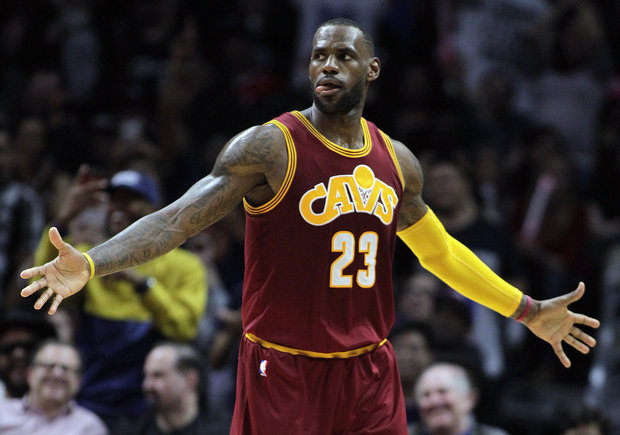
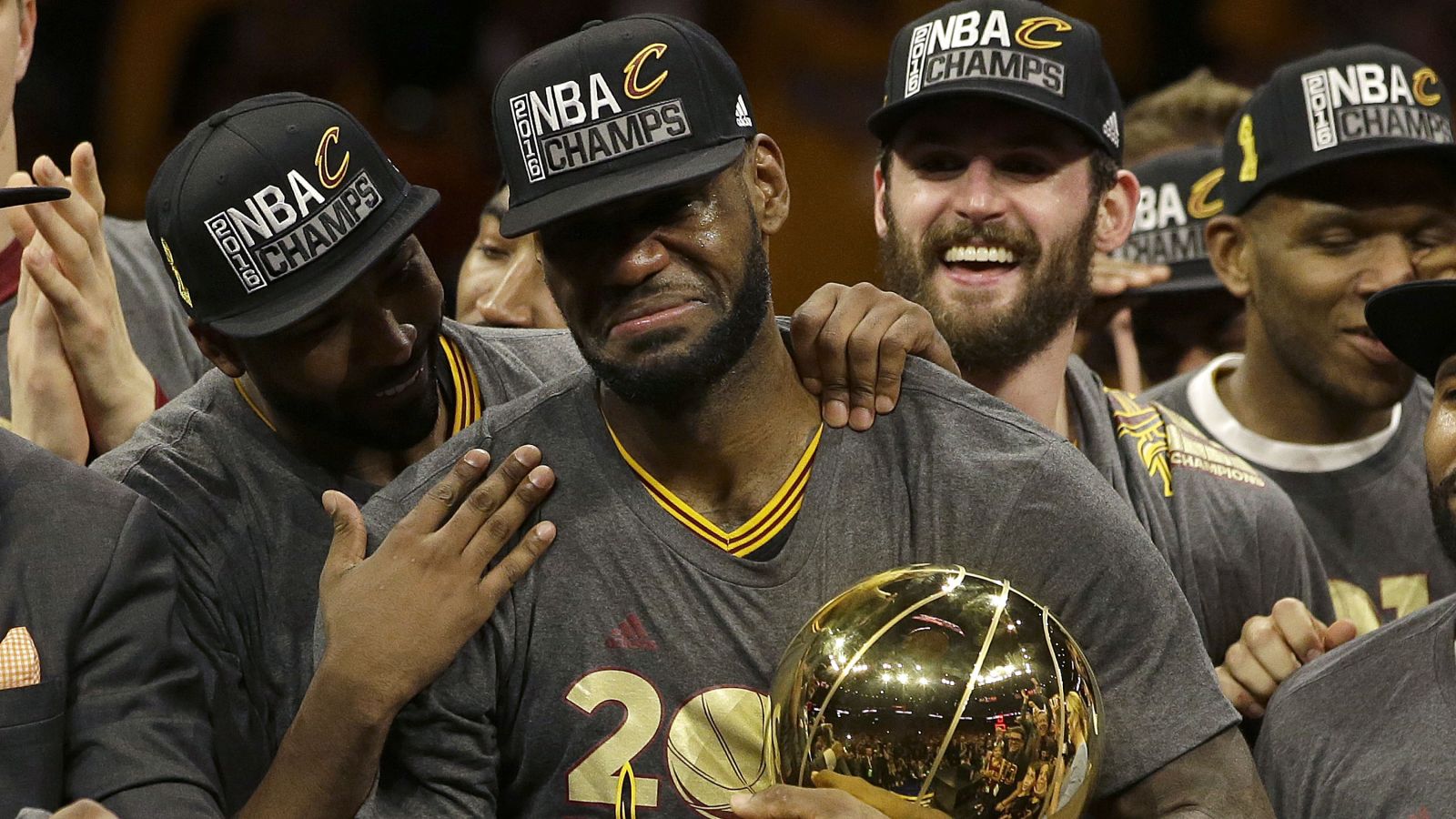
  3. LeBron James leads his Cleveland Cavaliers on an historic comeback from 3-1 down to win the NBA championship. The trophy marks Cleveland’s first sports championship in half a century. And the city needed it. I’ve been there; Cleveland is like Detroit without the glitter. lebron
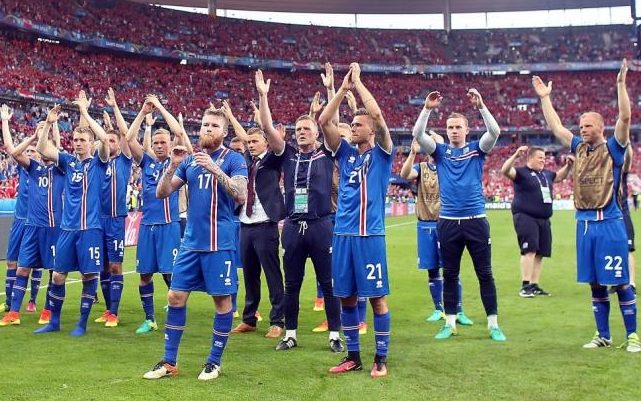
  4. Iceland defeats the U.K. in the European Soccer Championships, akin to the U.S. beating Russia in hockey during the 1980 Olympics. In shame, the coach of the British squad quits the same day. Suck it, xenophobes. iceland

And now comes Marcus Willis, a 25-year-old tennis hack out of England. I say hack because, well, that’s what he’d say.

Before this year’s Wimbledon tournament, which began Monday, Willis was the 772nd-ranked tennis player in the world. He worked as the local pro at the Warwick Boat Club in England. He let his gut go a little. In 2015, he cleared $350 in earnings. For the entire year.

willis

In fact, he was supposed to return to teach kids, aged 5-10, Monday afternoon at the boat club.

Instead, urged by his girlfriend to give Wimbledon one more go before hanging up the racket, he beat the 54th-ranked player in the world, Ricardo Berankis of Lithuania. He became the lowest-ranked player in more than 28 years to reach the second-round of a Grand Slam tournament. He’s guaranteed a paycheck of at least $50,000.

And on Wednesday, he’ll play his hero, Roger Federer, who has won seven Wimbledon championships.

When asked how he’ll fare against Federer, Willis dead-panned: “I’m not sure he can play on grass.” Then he continued: “I get to play on a stadium court. This is what I dreamed of when I was younger. I’m going to go out there and try to win the tennis match. I probably won’t. I might not.”

You never know. The chase of late has gone to the forceful and the fearful — except in the only place those should exist, a stadium. And how rich would it be to see blowhards have to back their words with a modicum of skill?

If only Trump’s hands could grip adult sporting goods.


What do the neighbors think?

I wonder this almost every day, at the same hour of night, 10 pm. That’s when  I’m most likely to blast my song of the day. Or repeatedly analyze banal scenes of some filmed silliness. Or dance. Practice card tricks. My geek flag flies at full staff most 10 pm.s.

I could never figure out why. Even the worst days, both by emotional and physical measure, tend to pick up around 10 p.m. My nausea eases. My energy surges.

I’ve sought a professional’s medical opinion on this; she was as flummoxed as I,  though she did point out: “You do like to have your dogs as dance partners.”

That square dance and euphoria  still exist (especially to my new song, below), though I think I have an idea why. (Thanks for nothing, Dr. Quackenbush.)

It’s at that moment I’m most living like an Emperor in my world, not a Peasant.

How often do we confuse the two? Granted amazing dominion over our world (particularly if you are an adult American), only to choose a life of servitude? A job title that has become a definition? A bank balance that has galvanized into a vault of fears? A pleasure spiked to pain? A nurturer who has morphed to siphon, and hence Master?

What fuckery, this? Is it our primal need to serve? Religious history suggests every civilization creates a daddy issue. Or perhaps it’s our nature, to covet, to measure life by what we want, not have. And we have learned to want so much.

But consider the counter-argument for a moment: all that you do survey. How much is in your power. How much of your world that does bend to your will.

It doesn’t matter, the size kingdom. Whether you rent a 250-square foot efficiency in Tarzana or own a compound on Laurel Canyon, consider your empire. And the the living, loving subjects under your rule, from houseplant to house cat. Or the select list of people allowed access to your personal fortress. Or the rules of conduct and behavior within those walls. All ruled by you.

That reign could never be gauged in Facebook likes or reTweets. Yet they become measures up to which we must live. Even vote.

trump

To some degree, we must be Servants. To our children. Our bodies. Our sanity. The cost of a pulse is to be indentured to that heartbeat. There’s nothing wrong with serving.

But aren’t We the true Masters to be served? As a newspaperman, I’ve covered beats from Detroit police to Hollywood film, and so a dizzying spectrum of kingdoms and rulers. To the last, they lived as Emperors in their worlds, not Servants.

And don’t we wish all could ascend their thrones? The abused to retaliate against abuser? The unhappy to insist on something else? The muted to turn chorus?

Well, 10 p.m. nears. Teddy and Esme are beat, having wilted in the 104 temperatures. But, as inhabitants of the Fortress of Scottitude, they know they must rise in a few hours for the nightly reverie. There will be music, dancing, intoxicants.

If the neighbors come by at the right hour, they may even see the dogs knighted.


Another Sunday Mass.

This time, a gay Florida nightclub, where 50 people were shot to death and another 50 wounded (by conservative estimate) today.

There’s no reason to expect this shooting to unfold any differently than, say, the Sunday Mass in Charleston.

The sane will say this needs to stop. The confederacy of dunces shall take up arms. And it will dissipate into name-calling in the Twitterverse like so many roman candles on a July 4 eve.

But one day, shootings like this will ricochet back into the TNT bin. It has to, simply by the law of averages.

Because, unlike a Baptist church or elementary school, the Florida shooting puts the right to bear arms in the crosshairs of the right to build walls.

After all, deporting American Muslims is suddenly a presidential issue, yes Mr. Trump? I’m assuming deportations must be preceded by the disarming of Americans, as the Second Amendment makes no mention of race.

Those fears are about to share a dance card.

In the meantime, where’s the Bernie Sanders-like enthusiasm for liberal intervention? Not even a unified call to get a national learner’s permit, like a car? Maybe that doesn’t reach the right demographic.

But one day, shootings like this will. Two centuries of U.S. democracy suggest that. From women’s rights to civil rights to the gay rights literally under fire about 2 a.m. today, the branches of justice eventually, inexorably, lean left.

It’s simply a matter of time before they provide ample cover.


My name is Scott Bowles, and I’m a punctu-holic.

It’s an inherited condition — from my mother’s side of the family. Dad was a legendary reporter, but he wouldn’t know punctuality if it broke his nose. He was unable to start a task until the 11th hour struck. He didn’t do taxes by April 15. He did taxes on it.

Mom, though, she’s another story. In my 51 years on Earth, I don’t recall running late a single time when she handled the stopwatch. The Bowles clan has made many a frenetic dash to be somewhere on time. But, without fail, it was due to distracted children or a father.

Like a lot of kids, I inherited a parental trait and exacerbated it. It’s not uncommon for me to show up a half hour before an event. Or, literally, I’ll stand at a door and gaze at my wristwatch, waiting for the second hand to hit the appointed time before I knock. I am, as clinical psychologists would put it, pathetic.

Of course, that makes me even more of an insufferable ass. If someone is running 15 minutes late (to an event, not to hang out) and does not give me a heads up, I’m pissed. If they are 30 minutes late, I’m gone.

So it was with great interest that I stumbled upon this study about the “punctuality challenged,” which perhaps was the researcher’s way of not offending readers. That’s like calling the dead metabolically challenged.

Still, I gotta say, I’ve never seen a more accurate study, which concluded that about 10% of Americans are chronically punctual, 20% are perpetually tardy, and 70% are “punctual but frenzied” to get to an appointment: They make it on time, but nearly break their necks doing so.

The study found the following about prompt people, all fitting mom to a tee:

1. THEY’RE REALISTIC THINKERS.

Punctual people know how long things take. Chronically late people, however, engage in what the study  calls “magical thinking.”

“If once, 10 years ago, they made it to work in 20 minutes, they believe that’s how long it should take,” the study says. “They forget about the 99% of the times that took 30 minutes.”

2. THEY GIVE THEMSELVES BUFFER TIME.
Punctual people are usually early, says the research. “Being late makes them stressed out and they don’t like feeling rushed,” according to the study. “Late people get stressed out from being late, too, but they don’t strive to be early; they tend to time things to the minute.”

For a 9 a.m. meeting, for example, a punctual person would try to arrive by 8:45 a.m. or 8:50 a.m., allowing enough time for an unexpected delay, such as traffic or a full parking garage. A punctual person reviews directions, checks traffic reports before leaving, and some will even drive to a new location the day before to understand the route. To be punctual, plan to arrive early, the study said.

3. THEY’RE ORGANIZED.
The study says that 45% of everything we do on a daily basis is automatic: “Our lives are filled with habits—from the way you brush teeth to how you get dressed and leave for work,” the report says, adding that they’re necessary. “If we didn’t do things automatically, it would take us forever to get through our day.”

The habits of people who are always on time are highly structured. They analyze their daily activities, set routines, and stick to them on regular basis. Chronically late people, however, don’t have structure and often fall on the attention deficit disorder spectrum, says the study.

4. THEY’RE COMFORTABLE WITH DOWNTIME.

Being punctual often means getting to meeting or an appointment early. Punctual people use the extra five or 10 minutes as a chance to catch up on emails, read over notes, or simply enjoy the solitude.

Chronically late people, however, hate downtime. They enjoy the thrill of that last-minute sprint to the finish line and crave stimulation. To be more comfortable with downtime, bring along something to fill those spare moments. “Knowing that you have something to occupy your time will help,” the report said.

Mom never needs something to occupy her time. Though a voracious reader, mom will sit, Buddha-like, until it’s time. Unless she were at home, where her Southern belle lilt was unmistakable. “Let’s git goin’; it’s taaahm.”

Speaking of which, I better file this. It’s due in 17 hours.