The Hollywood Bowles

Those who can't write, edit. Those who can't edit, blog.


I was at Disneyland for the Fourth of July (or, as dogs refer to it, Annual Armageddon Day). And while normally I chafe at Disney’s corporate worldview and misogynist fairy tales in perpetuity, I get why the Mouse House boasts that it’s the happiest place on earth.

If you’re the right age, perhaps it is.

Sitting on the ledge of a fountain in downtown Disney in Anaheim, I saw a dad walking his son, perhaps three, to the water to toss in a coin and make a wish.

He handed a penny to the boy — dressed head to toe in a tiny Los Angeles Angels baseball uniform — and told him to make a wish. The boy gazed at the cent, new and tangerine shiny.
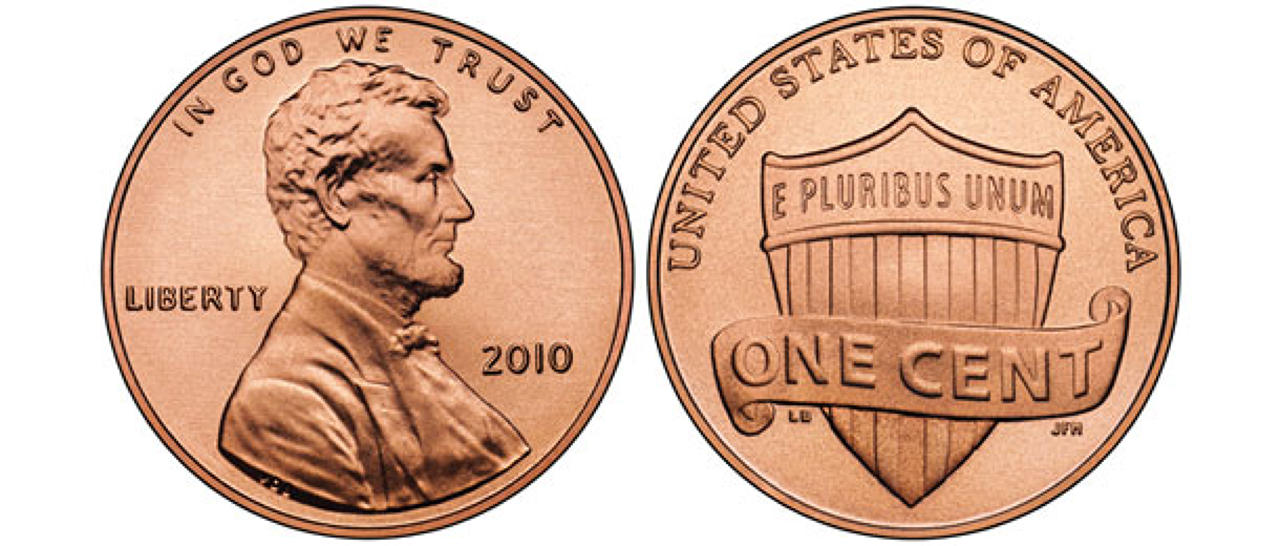
penny

“Make a wish and throw it in,” Dad said.

Without hesitation, the child hurled it into the fountain. Then he teetered perilously over the ledge to look at the shimmering coin floor, at least half of which was silver.

Dad tottered the boy back from the fountain before it became a mini swimming pool. He stooped behind his son, and wrapped a hand around him and over his stomach, speaking into his ear.

“Do you know what a wish is?” dad asked. The boy shook his head.

“A wish is something you want,” the dad said, rummaging for another penny. “Take this, think of something you want, and toss in the coin. Maybe it will come true.”

You could almost see the light bulb go off. And I realized I was witnessing a child learning how to wish. What a human experience. How many times would he exercise this new skill, to daydream? And for what will he pine, aside from being a Big Leaguer? Bringing a stuffed animal to life? calvinLiving in Disneyland? And in years to come; falling in love? Getting into school? Being a father?
One thing was certain: Dad had better keep a pocketful of change from this day forward. Because whenever they pass a fountain, kid’s gonna want wishing moolah.

Clearly, he got the concept.  Dad asked if he understood. Kid nodded like a stoner at a Metallica concert. Yes, yes, yes. Now where’s that penny?

Dad put it into his boy’s hand. Kid hesitated for a second, closed his fingers and looked at his tiny clench. And concentrated. Furrowed his brows while he decided on a wish, as if the wrong one could bring calamity. He drew his arm back, more assured this time.

“I want more money!” he yelled, throwing the coin twice as deep into the fountain this time.

Dad stood up and turned around. He dropped his hand, extending an index finger. Kid reached over his head and clasped the finger as he had the Lincoln head. They walked back to a family of a half dozen.

“You know,” the dad said. “Sometimes I wish for that, too.”


I dreamed of Michael last night.

Like 99.4% of my dreams, I don’t remember the details. Just that we are always doing normal stuff, kids killing time. And when I wake up, I feel uplifted, charged for a nebulous reason. Like we’d just spoken on the phone, or I just left his place.

He always charged me a little. Perhaps because we geeked over the same things — The Simpsons and Star Wars. And we both knew way too much about documentaries and sports.

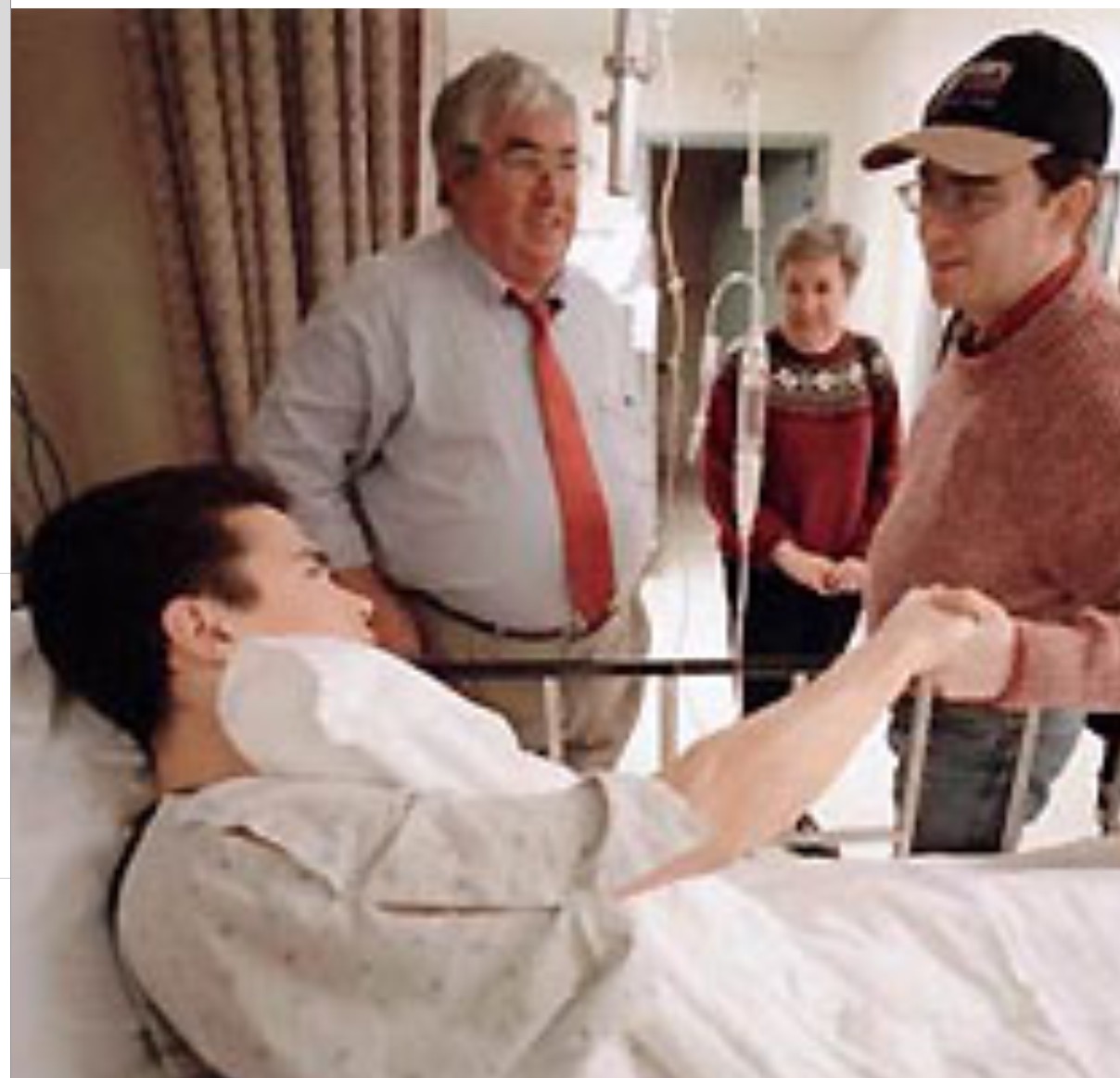
But I don’t remember those times. Like when we were playing tennis and he dove on a cement court and was a wounded ring bearer. Or the time we met a derelict woman who spewed accusations that we, er, knew each other biblically. Or his medicated voicemails. Or the day he told me he wanted to be a donor. They would all become fond dinnertime stories. But not the taproot of these dreams. preop

Nor do I think I replay the dark chapter, when Michael set sail for Mortal Waters. Not the time he told us of the brain tumor. Or when he came to see mom and downplayed falling in the living room. Or kissing him on the forehead goodbye in the wheelchair. I don’t see those visions revisited, either.

Instead, we are always doing day-to-day things. Working side-by-side in a theater; cracking up at crappy fast food joints; frantically searching for our tickets before we’d walk into a premiere (Michael once toyed with legally naming himself Plus One).

preopWell, shit.

No wonder I feel warmed by the dreams. How can you not when the everyday feels extraordinary?


I recently had an amazing conversation with a six-year-old, which I guess is redundant.

We sat across from each other during a celebratory Mexican luncheon for a high school grad (we both were fuzzy on the details), and I noticed he was holding a bright, yellow book.

“Whatchya reading?” I asked.

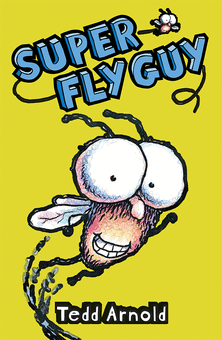
Super Fly Guy,” he answered, explaining the book’s subtext: the crazy adventures of a fly that loved the school cafeteria, but wasn’t always so welcome there. superflyI asked to see the book, thumbed through it, complimented the artwork, asked him what else he liked.

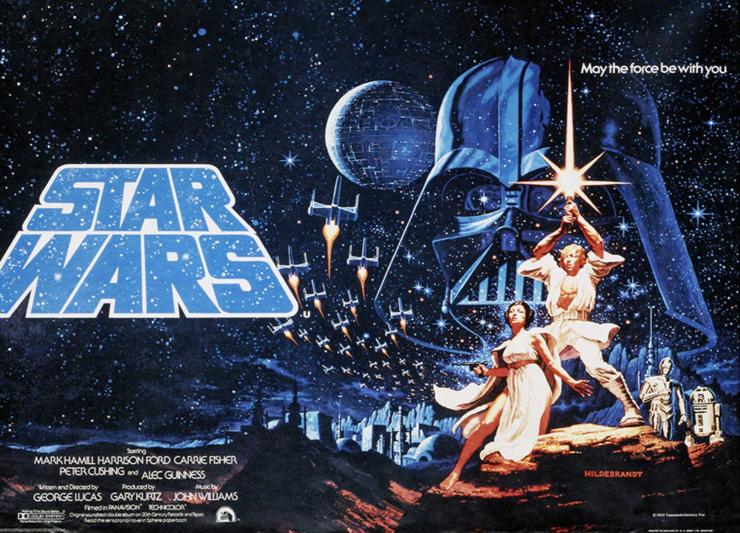
Star Wars,” he said without hesitation. “I’ve seen five of the (six) movies.”

He could have told me he was a double-organ transplant journalist from Detroit, I felt such an immediate kinship. “Me too!” I blurted. “What characters do you like?”

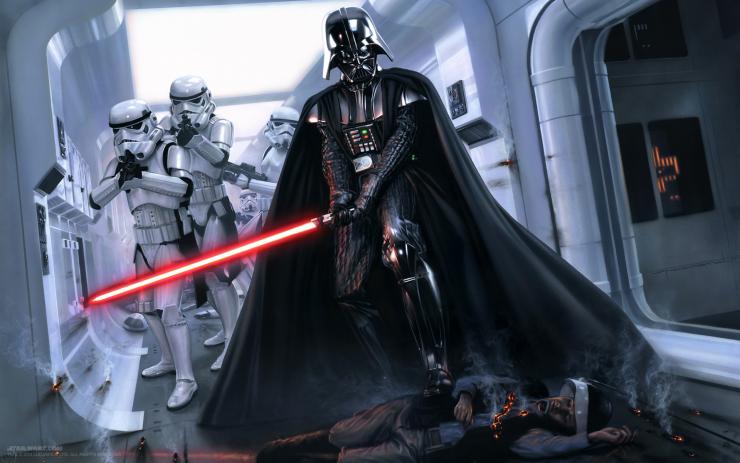
“Darth Maul,” he said, equally confident. “Padme. And Chewbacca.” We chatted about the next installment, due in Christmas. Neither of us could wait. He leaned forward, a bit hushed. “I like Darth Vader, too.”

And suddenly, I got the genius of the franchise. What other entertainment leapfrogs the generations so effortlessly? Here was a 50-year-old ancient swapping stories with a boy who couldn’t remember life without an iPad. We may criticize the new generation of films for surrendering vision for commercial tie-ins. But the truth is that we have aged, not the series, which has always spoken directly to the DNA encoded in every human boy.

The boy’s father offered a canny theory: “Star Wars is a black and white world of good and evil. Plus it’s got lasers.” I challenge an academic for a better answer.

“Lemme know what you think of the new Star Wars,” I told the boy as we prepared to leave. And I thought of the first time I saw the movie, in Detroit, as a 12-year-old.

There’s no underestimating the anticipation of the first one, in 1977. We’d never seen a trailer like that. The effects. The costumes. The masks. The lasers.

So on opening day, mom dropped me off at the mall theater to get my geek on while she did some browsing at Hudson’s. When I turned the theater corner, I saw two lines, both a block long, waiting for tickets. Uncertainly, I walked to the end of the interminable lines.

Suddenly, a middle-aged black man walked between the lines, calling out. “I got an extra ticket! Who needs a ticket?” I watched him walk the length of the line before he got to me. “I’ll take it,” I told the man.

As I pulled out my money (and he the ticket), we were suddenly swarmed by other customers. “I’ll take it!” one grown-up said. One offered to pay more than ticket price.

“Nope, nope,” he said, waving off the crowd. “This young man was first. He gets it.”

As we were finishing the transaction, an usher called out that the movie was sold out. He introduced me to his family, including a gaggle of his young boys. I followed them into the theater, where mom held the seats. We walked in just as the film started, on the iconic scene of the Imperial Cruiser bearing down on a rebel ship. I did not move in my seat, and would see the film 14 more times. At least.

But no film experience will ever match that moment. It was years later that I realized that the crowd probably took the man for a scalper. Or held a suspicion based on color I did not yet know existed. And when they saw the real ticket, that he was legit, they pounced.

Still, he held ground like Obi Wan. I’ll never forget him waving them off. Calling me a young man. Giving me a seat.

Indeed, Luke. The Force runs strong with this one.

vader


Perhaps because I’ve felt as if I’ve finished a couple, but my eyes have been drawn to marathons of late.

Maybe it’s that irritating commercial from Marathon Oil, whose new jingle implores you to “put a tankful of freedom” in your guzzler. (Does that make the Prius the official vehicle of the Socialist Marxist Party?). Maybe it was catching the classic film again.

Or, most likely, it was yet another documentary I consumed, this one on the famed run of 26 miles from Marathon to Athens, which gave birth to the modern day sporting event. The documentary touched on all the rote facts, including the roots of its distance, how it became the symbol of national pride in Boston, and how more than 300 are held annually in the U.S. alone.

But I began to wonder about the guy who ran the first. Why wasn’t he celebrated? I mean, he did die trying.

Turns out, the guy is as heroic as any of the A-list Greek gods, from Apollo to Zeus. And the guy was real.

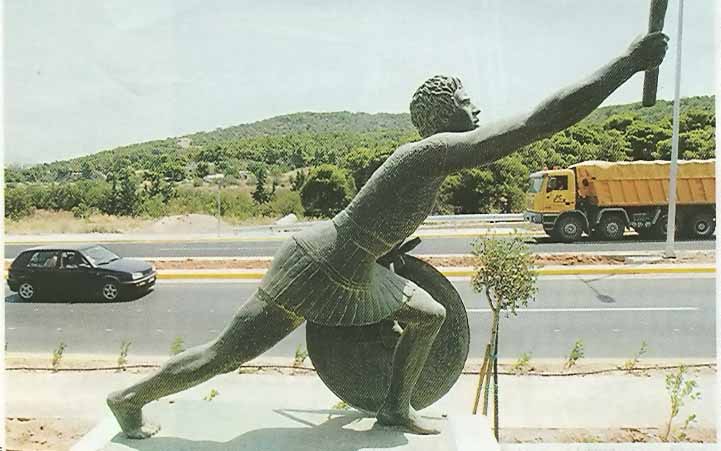
His name was Pheidippides (Phil to his bowling pals), and he was born about 530 BC.

phil

Phil didn’t exude celebrity.  Not hulking, not that powerful, not even that cunning. Not…Herculean.

But Phil could run. And run. Like, further than you’d have the patience to drive run. And Phil believed in doing his share. So when he joined the Greek Army, they unwittingly turned him into one of the world’s first professional couriers, sending him to dispatch news between armies separated by miles.

Around 500, Persia was planning its biggest New World invasion yet, with Marathon as ground zero. What that documentary (and historical memory, for some reason) failed to mention is that Phil ran more than 150 miles over two days to get to Sparta and plead for help.

Sparta did, and helped repel the Persian army. And it was on that run, to Athens, that Phil died, giving the news of victory. Historians say his final words to the Assembly were ‘Joy to you, we won. Joy to you.’

Where’s  Phil’s pomp and circumstance?? His fable? His book deal? His summer blockbuster biopic?

Maybe his name was too tough to spell, let alone pronounce. Maybe we don’t like heralding those who die trying.

But don’t we all feel his pain, even a little? I can’t help but see him as that Everyday Greco Joe, who played to his strengths to get through the day, tried to keep his head down at work and do what feckless bosses commanded.

Bad news, Pheidippides. Bosses are still trying to run Joes to but a nub.

But you’d be proud of how much of your stride we emulate. Joy to you, Phil. Joy to you.


May 24, 2015

Welcome, friends, family, friends of family. Dearly Beloved:

We are gathered here today to get through this thing called life.

That line comes courtesy of Prince and Annetta. When I asked the couple what they’d like in their vows, Annetta quipped that the first thing that came to mind was the opening line to Prince’s song, Let’s Go Crazy (which just also happens to be one of Spencer’s life mottos).

But when you think about it, Annetta and Prince have a point. The next line in that song begins “Electric word, life…”

Life is electric. For what are we, but bundles of energy and stardust, as brilliant and abundant as the heavens above?

And in those heavens — scientists say once every 500 years — two stars hurtling through the cosmos will brush by one another. And their gravitational force will commence a circular dance, as each draws nearer the other. And at that moment of contact, the supernova will emit as much energy as every star in the universe, combined.

Seasoned love is like that.

Certainly, new love is a miracle. It’s bold, adventurous, fearless in the leap.

It is also distracted by shiny things, startled by sudden sounds, frozen in rough waters. That’s why it’s called puppy love.

Seasoned love is a more profound and rare phenomenon. 

Like those hurtling stars, seasoned love joins two established worlds, already anchoring a solar system of friends and family, work and home.

But true seasoned love makes a choice. A choice to blend planets, share moons and swap shooting stars. If a supernova is one every 500,  seasoned love — true seasoned love  — has got to be one in a million.

We saw this dawn approach. We heard them  say, ‘I’m going on a date.’

Then it was, ‘I liked that. I think we’ll see each other again.’

Then, ‘This could be something.’

spence and annetta day

We saw their worlds change. Soon, they spoke in the collective. ‘We are taking a trip. We are going on vacation. We are moving in. We are getting married.”

And here we are, to witness their new daybreak.

May we please have the rings?

Much has been made of the symbology of rings. And who are we to question the poets?

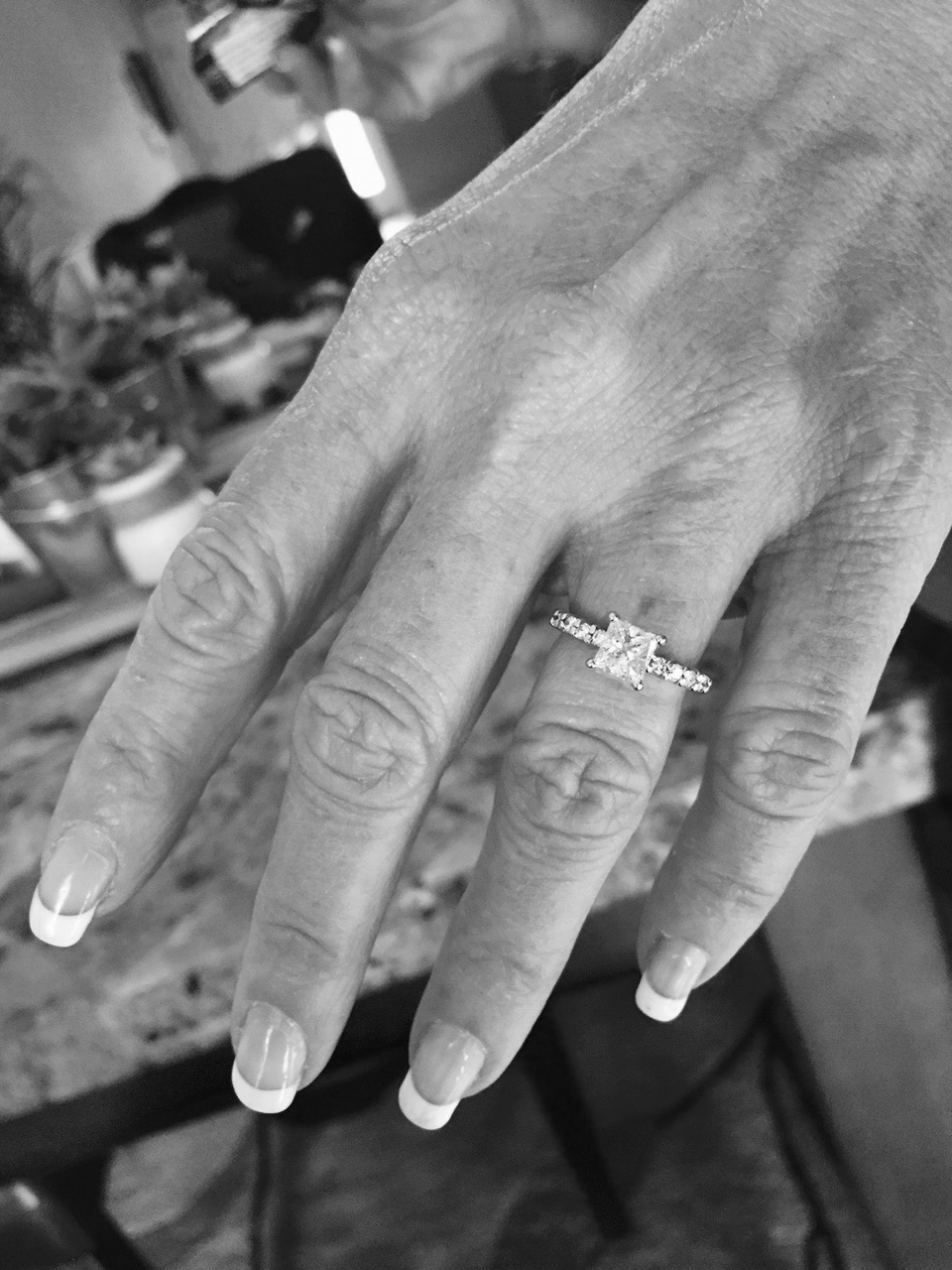
But, if you catch them in the right light, you can’t help but notice how much they look like little stars we wear, within reach of our hearts.

Annetta:

Do you choose Spencer?

To be the sun to his shine?

To be the good to his night?

To be the heart to his beat?

Do you choose Spencer to get through this thing called life?

Spencer:

Do you choose Annetta?

To be the sun to her shine?

To be the good to her night?

To be the heart to her beat?

Do you choose Annetta to get through this thing called life?

By the power vested in me by the state of Arkansas — and by the power vested in you by the gravitational force of love — I now pronounce you husband and wife.

(plant a smooch)

Ladies and gentleman:

Spencer and Annetta Tirey

spence and anneta night


Warning: spoilers and curves ahead

Mad Men was a profound show that flirted with a profound ending.

Instead, it chose a mildly ambiguous one. Which, by today’s standards, could qualify as profound.

But you couldn’t help but feel unfulfilled by the final chapter of the eight-year odyssey of Don Draper. The slick adman and reality escape artist was grinning like Buddha at show’s final scene, having come up with the ad pitch of all ad pitches: the I’d Like to Buy the World a Coke jingle.

Don-Draper-AMC-Buddha2

Much hay has been made over the finale (sorry, Don, there’s no escaping your farm roots), which has been heaped with praise for neatly wrapping characters’ story lines and giving viewers the Matt Weiner sendoff we never got in The Sopranos. And no finale ruins the legacy of a series (look at M*A*S*H*, or Seinfeld, or any series finale).

But just as Tony Soprano’s final scene remains under-appreciated (in a television first, the viewer got whacked), Mad Men‘s final episode has attracted fawning like a gleaming blue Cadillac; it’s over-praise, and fleeting.

The problem may have been in the show’s genius concept: How the appearance of happiness often trumps the appreciation of it.

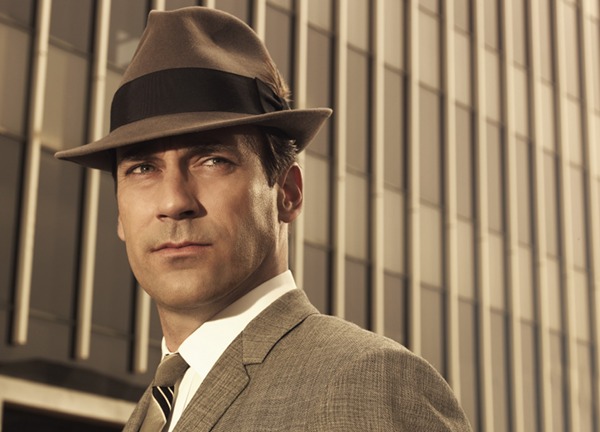
And for eight years, Weiner and writers took an unflinching look at that inner-conflict, creating one of the most complex anti-heroes in television history in Draper (played with deft narcissism by Jon Hamm). His was a protagonist capable of great nobility — and unspeakable trespasses.

Which is why Mad Men shouldn’t have ended on a punchline, however brilliant.

And there’s no arguing the cleverness of the joke. The real ad was conceived by the minds at McCann-Erickson in 1971. Draper was working for McCann-Erickson on the show, which also had reached 1971. And Mad Men can perhaps boast a television first: the only series to end on a commercial. Normally they’re followed by one.

But the real ambiguity of Mad Men is not in the finale’s contents, but its intent. What are we to make of Don’s last smile? That it takes a human touch to be a good salesman? That work can’t equal happiness? Or can it? That, if you run fast enough from your past, you can start over?

Perhaps Weiner telegraphed the ending in the opening graphics of the series eight years ago. Every week, the show began on a familiar graphic: A suited man, plummeting from a skyscraper hued by womens’ silhouettes, only to land neatly on a couch, still coiffed, cigarette perfectly in place. Maybe that was the setup to the punchline.

We may never know, which may be the point. Or perhaps the show ended on a punchline that Weiner had in mind years before the show’s final bow (he said often that he knew how he wanted the series to end).

Either way, there was no shaking the sense that we’d just seen a great sales pitch. And like most ads, the promise is far more grand than the payoff.


By circumstance and TV viewing habits, I’ve been particularly attuned to the advertising world of late. And while I still believe corporations will be the ruination of America (we seem to have forgotten that money burns), business may be unintentionally performing a public good.

Consider: Three years ago, six states recognized gay marriage.  Today, it’s 36 — plus D.C. And while the Supreme Court weighs the issue on the federal level, its eventual success, regardless of the conservative slackwits on the bench, is certain.

That’s because American business has deemed it so. Years before politicians, corporate brain trusts from Hollywood  to GM to Apple recognized the gay community. Not out of a sense of altruism or fairness. But as a business strategy; gay  Americans statistically form a powerful financial demographic. From Will & Grace,  Queer Eye for the Straight Guy, even as far back as Three’s Company, Hollywood embraced the corporate notion that there is one gender symbol: $.

That’s a powerful concept, one that recognizes the right of all Americans to spend freely, regardless of what your religious pamphlet says. Other businesses quickly followed suit.

Witness what happened in March in Indiana, where the huckleberries passed a bill permitting god-fearing shop owners to refuse service to the godless.

indiana

Business saw clear past this ruse, recognizing it as a weapon against gays (or any group Indiana representatives deigned loathsome, for that matter). Businesses, including the NCAA, which held its Final Four in Indianapolis, threatened to boycott the state. Apple said not only that it wouldn’t recognize the law; it would rethink opening new business in the state of hayseeds. “Lawmakers” quickly backed down, redacting the most offensive language. Hopefully, Alabama, Arkansas and Mississippi witnessed that on their World Wide Intertubes.

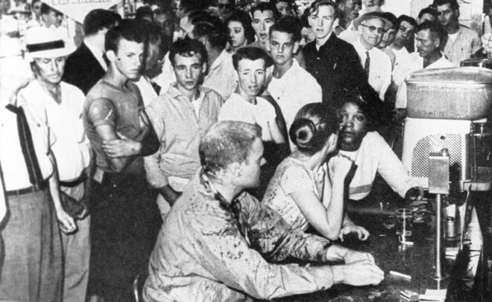
The original (and ongoing) civil rights battle didn’t have the backing of corporate America. If anything, corporate America was fine with discriminating against black Americans. It even worked racism into the business model, in the form of segregated bar stools, bathrooms, beaches and busses. Even today, analysts seemed stunned by how well entertainment sells in the “urban market.”

segregation

But, in addition to one gender, money sees one race: Patent Green. And money is just fine with gay marriage, transgendered customers, minority businesses and godless entrepreneurs. Hell, money even digs potheads: Colorado, which just legalized marijuana, reported a tax windfall of $53 million last year in weed revenues. It ain’t perfect, but at least it ain’t politics.

So pack that in your bong and blaze, Moral Majority diehards, and get used to domestically-partnered next door neighbors. You’re about to turn all colors of the rainbow as you blend into green.

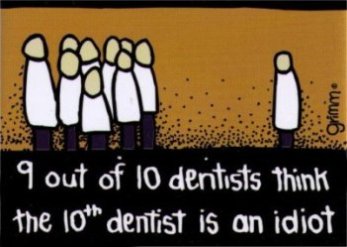
Still, some things businesses can’t seem to advance. I just saw a commercial for Trident, which is still clinging to its “One out of every five dentists surveyed recommend sugarless gum for their patients who chew gum.”

Who, exactly, is that fifth dentist? A pawn in the Bubble Yum lobby? Come on, Trident. Only 80%? You’re doing the polling — of puppets. You’d think you could do better than a B-.

dentists


I got sick in June, 1979, on a Friday the 13th.

As a 14-year-old, I knew the day was supposed to be unlucky. But I didn’t really feel cursed. Not when the docs diagnosed me with juvenile diabetes. Not when they said I’d have to give myself two shots a day. Not even when I saw mom cry for the first time, as we sat in the parking lot outside the doctor’s office.

I understood it a few days later, watching a TV documentary about the Galapagos Islands. The narrator explained how Charles Darwin came up with his survival-of-the-fittest theorem on a visit to the islands and its thousands of indigenous residents. Iguanas, parrots, penguins.

But the animal that caught my eye was the great sea turtle, the icon of the islands (which are named after a specific breed of tortoise). With a little luck, the narrator said, a tortoise could live to 50, 60, even 100 years. More.

For some reason, 50 stuck in my head. It just seemed so old. That’s a half century. Grown-ups are that age. Parents are that age. Why, I’d even bet some people in their 50s are…grandparents.

IMG_0870

But I must have somehow, finally realized the Friday the 13th curse. I remember asking myself, for the first of many times: “I wonder if I could live as long as a sea turtle.”

It’s not an easy age to reach, the narrator said. Not even for the sea turtle. It had to survive the beach scamper from sandy egg to surf. If they avoided the birds, hatchlings had to survive the sharks and seals who love baby turtle soup. But if it could reach adulthood with its shell intact, the narrator said, a sea turtle can enjoy a long, fruitful life. Like, a half century fruitful.

So I began a countdown to a goal that seemed as unreachable as dunking a basketball. Fifty. Thirty-six years away. Five lifetimes, it seemed. As a boy, dad would say I was so impatient that I’d ask “what’s next?” five minutes after arriving somewhere.

And for so long, 50 did seem unobtainable. I was a shitty diabetic who could not accept that, overnight, I wasn’t allowed Bazooka, Starburst, Hershey bars. So I ate them with my friends, afraid of standing out.

I quickly succumbed. By the time I was 30, I’d had 17 eye surgeries. My kidneys were failing. I went on the transplant wait list for a new kidney and pancreas. Then, 50 didn’t sound so far off. Forty did.

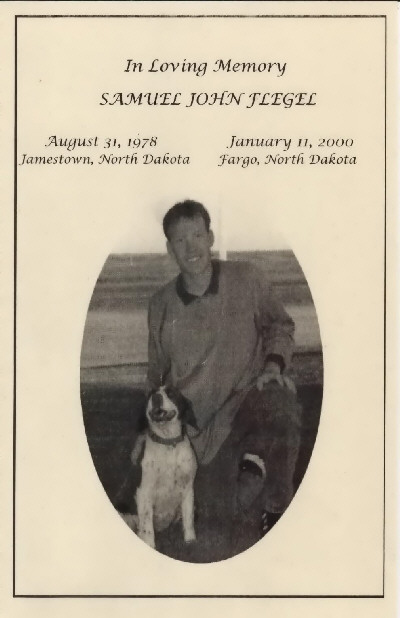
But, at 35, I got the call that Samuel Flegel, a 17-year-old who was brain dead from a motorcycle accident, had come to save me. My perfect genetic match, he joined me in January 2000. sam

Suddenly, 50 wasn’t such a fantasy. And the years initially flew by as my new body broke into a sprint that took me to Australia, Japan, Mexico. 15, 14, 13, 12, the years peeled.

Five years in, the nausea came. Perhaps to remind me that Father Time and Mother Nature are still here. Not vindictive, but merciless. A divorce, a move, a resettlement accounted for the years, though they seemed to move slower. Nine, eight, seven…

Ten years in, and the engine truly felt sputtered. I watched hatchlings who should have long outlived me die in the beach scamper. Samuel. Libby, the first friend to offer to be tested as a viable donor, died in a motorcycle crash. Michael, who was tested and ready to donate a kidney, died of a brain tumor. Dad’s sudden death in his sleep made me wonder if I were meant to see the marathon tape. mikeybillybowles

The years were slowing to molasses. Four..three…two…

But something inside me awakened. Perhaps it was Michael. Or dad. Or a confluence of losses that made me realize how many people wanted me to get there. Who offered their bodies to see it so. That there were so many hatchlings, including the one I carry, who would never have a chance to outlive the great sea turtle. But they wanted me to.

One.

Hey, fifty.

I’m here.

What’s next?

umbrella


I was watching an episode of Counting Cars (it’s fascinating, even if I don’t understand half of what they say). This guy was getting a tattoo of the Second Amendment inked over his right shoulder. He mentioned he’d like a tandem car, one with  flags, slogans, Constitutional snippets and a Minuteman, flexing like a Mr. Universe contestant,  sneering over the hood. The guy wanted it to be the muscle of all muscle cars. Up to $120,000. He should have included at least a teeny thank-you to the First Amendment, which gives all Americans the right to be stupid.

Second-Amendment--270x156

Still, should a passing pigeon decide to bless you with a liquid-marshmallow breakfast on your Corvette hood, there’s not a gun in the world that will shoot that holy water from the sky.

But I have a right, as well. And, as an ordained minister (credentialed in Arkansas, for god’s sake; you really haven’t heard of Google, huh?), I herby announce the birth of Aesopism. So I guess our Holy Day will be May 2nd (4:32 p.m., Pacific Coast Time).

Like the bible, torah and koran and tipitaka, there shall be an Aesoptic Sacred Text, The Fable of the Sun and North Wind. Unlike those insomnia-fixers, ours shall be simple.

It is a well-known Aesop fable, but our religion shall also be accurate. The text is below:

The Sun and North Wind had a bet over who was stronger. To settle the wager, they tried to remove a man’s cloak. The Wind blew as hard as it could, trying to whip it, force it off the human. But the harder it blew, the tighter the man clung. The Sun slowly warmed the man until he removed the cloak.

That’s it. The only Aesopian code of conduct.

Should the believer choose (choice underscores all preachings), there is an Optional Dining Grace: “Blessed Whatzit, thank you for today, and please let us chew your bounty with closed mouths.”

We accept all faiths, creeds, colors, sexes, genders, life choices and hairstyles. Animals, too, and all shall be eligible for the Aesopian highest order:  The Sinning-But-Trying.

Being forward-thinking, we shall have a slogan, perfect for bumper stickers: “Like religion, without the dummies.”

There shalt be but One Commandment: Thou shalt not selfie.

Our gospel and chorus are below: