The Hollywood Bowles

Those who can't write, edit. Those who can't edit, blog.


Next week, I turn 50, a more passionate goal than I care to admit.

And as I’ve neared that marathon tape, I’ve found myself upbeat, centered, ready to tackle the next 50 a more wizened, patient soul. A better man.

Then the American Association of Retired Persons had to try to squat on the moment.

The card arrived last week, though I’m still, technically, 49. I have no idea how they figured out my birthday. They never sent a card before.

But there It was. In my mail, red as a railroad crossing and sealed with the care of an American Express Platinum card. My buddy Dan, born a week after, sent a smoke signal warning. His arrived the same day, and he texted what loomed.

IMG_4113

I guess I knew It was coming. But, as a boy, I remember thinking: “That’s an old people’s card. You don’t get that unless you’re a hundred. Or at least born in the olden days, like before 1965.

And I began to wonder: Do people apply the moment they are eligible, like 16-year-olds do with a driver’s license? Or is it an admission of wrinkles, a truce with Father Time? Not necessarily a defeat. In a way, the card could say: “You made it. You survived this merciless world and daytime TV for a half century.

And at what point does our wisdom clash with ego? Eventually, it seems, the pragmatic must overcome the proud. Millions of Americans decide that, while having to admit we qualify for a senior’s advantages, that is a pretty good discount at Motel 6.

So I started looking into statistics. What’s the typical age of an enrollee? A member?

Not surprisingly, there are few hard numbers. When you Google AARP, you’re inundated with analytics and advertisements about the benefits of just a $19.99 annual fee. As a reporter, I realized I could simply drop a note to the folks at AARP and ask. I had the address, postage paid, right there on the return envelope.

Then I remembered I had ripped into the paperwork into fine shreds, and sheared the card in half. If I could, I probably would have clipped It into 49 shards.

Ok, I overreacted. But I’m just forty nine. Blame it on the rebellion of youth.


The interesting thing about having the email address sbowles@gmail.com is that you realize how many people are named Bowles.

I used to think the surname weird, if not unique. God how I wished my ancestors had dropped the “e” in my last name. I can’t tell you how many times people have read my name and queried aloud: “Scott…Bowels?”

But apparently that’s not a unique lament. I get many emails not intended for me, but for someone with a slight variation on the address, like s.bowles. But in the ethernet chatter, the character(s) get dropped, and I’ll get an email meant for a Sally Bowles, or Stuart Bowles.

Normally the errors are humorous, if not a frightening statement on the human condition:

Sally, thanks for signing up for fat camp.

Stuart, thanks for your interest in penis enlargement pills.

But today it took a briefly menacing turn. At 7:25 a.m., I got an email from a guy named Mat Krotki, the president of PDG-GUS, a wheelchair manufacturer that touts its corporate humanity toward the disabled. But his email betrayed little humanity. I looked through the thread and saw that he meant to send it so s?bowles@gmail.com (I don’t want to add to the world chaos).

Dear Steven Bowles :

Your invoice for the decuctible on your recent claim appears below.
Payment is due upon receipt.

Thank you for your business – we appreciate it very much.
Mat M. Krotki | President | PDG-GUS

bad

I didn’t know what to make of it. Steven? Was that a clerical error? I do face some insurance issues, but I was up to date on my deductibles. Though it’s hard to keep track of all the forms and bills, probably intentionally.

The follow-up email growled:

Hi Steven,

This invoice is severely past due.
This will be my last written attempt to collect payment of this invoice.
If you choose not to respond, you  will leave us no choice but to escalate
our collection action to another level.
I look forward to your timely response.

Thanks
Mat M. Krotki | President | PDG-GUS

worse

When I realized the emails weren’t meant for me, I breathed a sigh of relief. Then I got pissed. Then I came to peace.

The anger came from the letters’ corporate tone. The first email had the obligatory polite predicates: “Thank you for your business.” “We appreciate it very much.”

The second showed the business’s and man’s true colors (which usually expose themselves in rain, not sunshine). “This will be my last notice.” “If you choose not to respond, you will leave us no choice but to escalate…” Not even a period at the end of “Thanks.” (Sorry, the word nerd in me won’t allow intentionally poor grammar.)

The peace came when I realized I could turn this into a personal lesson. That how, when you act in haste, anger, greed, from your power perch — when you act from a dark place — you can make small mistakes that balloon into something you wish you’d noticed more. That little things, if left unguarded, have aspirations to go big.

Still, Mat Krotki (love that name) had such an aggressive tenor to his note that it got under my skin, even if it weren’t intended for my flesh. He could have said something human, like “Please get back to me, Steve. This is important.” Instead, the guy had to include a passive aggressive addendum: “I look forward to your timely response.”

So I sent him one, at 7:43 a.m.:

Wrong guy, dickhead.

response

I can remember five dreams in my life. Two were pleasant, two were unpleasant, and I can’t figure out the fifth after eight years of analyzing.

The best one, though, atones for any nightmare.

I had it when I was in Washington, DC, my last stint as a crime writer. After my stint in Detroit as a crime writer. A friend once suggested the dream was borne of reporting on street existence for so long. I dismissed it, but perhaps she was correct.

In the dream, I am walking through a familiar-yet-alien block in a downtown city. People are bumping, brushing, bustling past one another. No one apologizes for the collisions.

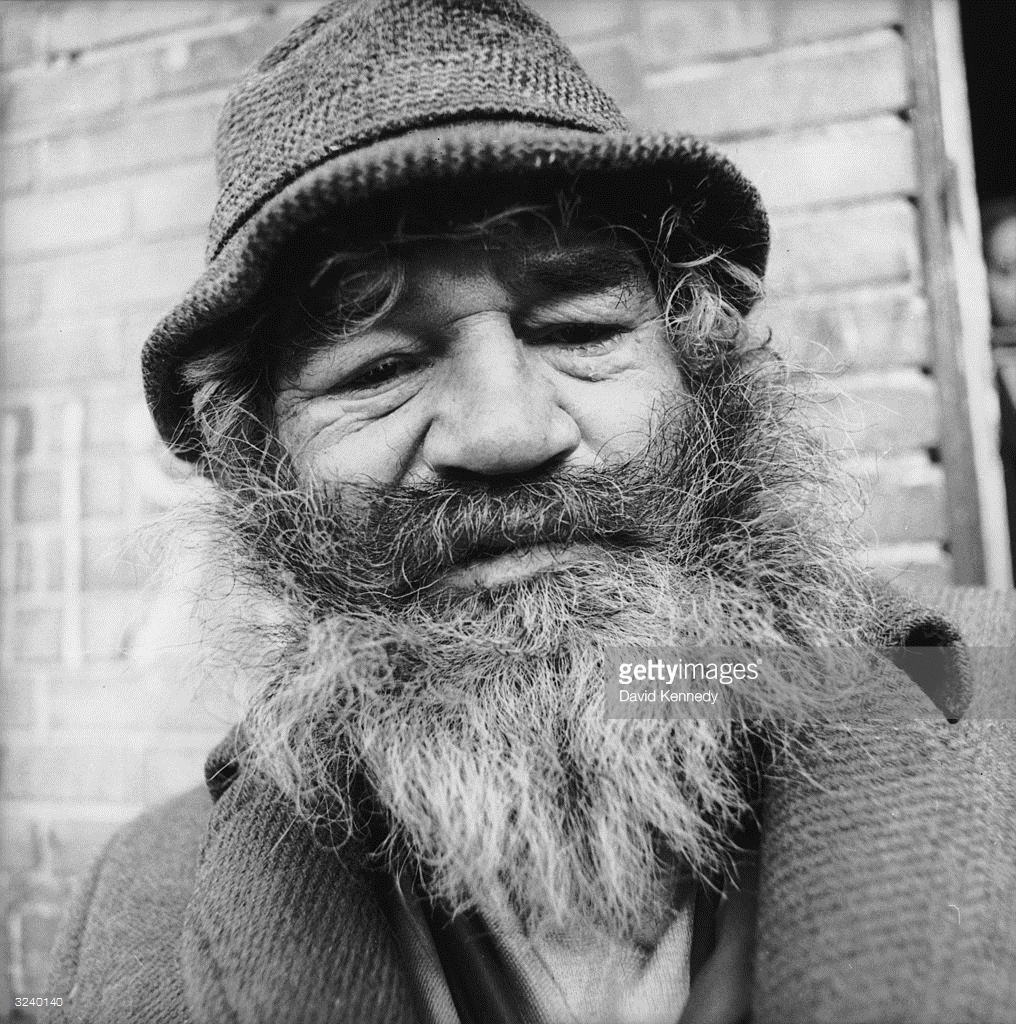
Amidst the chaos, I see a black man dancing in the middle of the street, keeping tune with a song only he can hear. Full dance moves. Impressive. Certain. No partner, no care who sees. Older, with hair as gray as uncertainty. homeless man

A woman sees the street waltz, and shakes her head in disgust. “That’s awful,” she mutters. “He shouldn’t be dancing in the street.” She has a Southern accent, though I don’t know why. Perhaps because so many bible thumpers below the Mason-Dixon still consider joy a sin.

Then, I hear a man’s voice in response, though I never see his face. “He’s not dancing,” the voice says. “He’s running from heaven.”

I always puzzled over who it was I pictured dancing. Now I’m thinking it may have been Derrick T. Tuggle.

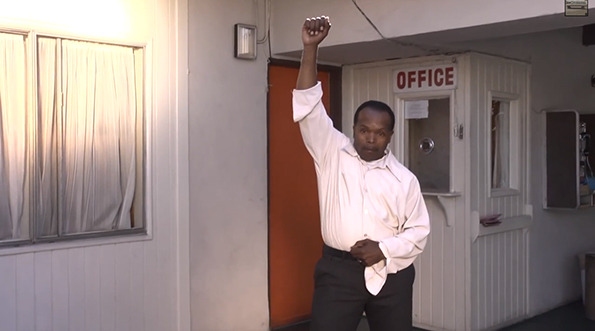
Tuggle was a part-time security guard who was to appear in The Black Keys’ video Lonely Boy. He thought he had won the lottery by scoring a brief scene in the three-minute movie, shot outside a rundown motel in California. The concept: Tuggle would play the hotel manager, accept the room key from the musical duo and hand it to a group of nubile female dancers, who would provide a sexual undertone to the video.

But as the crew prepared to shoot, the director noticed Tuggle, listening to the song, bobbing his head to the beat and dancing ever so slightly as he stood on his mark. The director was intrigued. He asked Tuggle if he could dance on camera and cue.

“Sure,” Tuggle said. “I can dance. Everyone can dance!”

Tuggle asked for an hour to memorize the lyrics. He thought of dancers who made an impression: John Travolta from Saturday Night Fever  fever and Pulp Fiction fiction; Carlton Banks’ moves on The Fresh of Bel-Air.

He mentally choreographed a dance to accompany the lyrics.

Then the cameras rolled. And in one take, all other dancers were sent home. Within a week of the video’s release, 250,000 people watched on YouTube. Today, it has more than 44 million views.

There’s nothing to the video, really. It’s one, uninterrupted shot as Tuggle plays disco mime outside the motel office. It’s a cinematographic nightmare, as the camera catches sunlight dappling a receding hairline. There’s even a goof at the 30-second mark (check out the office window).

But the director made the canny call to embrace imperfection. There’s something hypnotic to its simplicity. And enthralling, as Tuggle becomes a modern-day Tony Manero, a real-life Vincent Vega, a contemporary Carlton. Watch as his sleeves unroll in the frenzy.

Tuggle doesn’t seem to care. He seems the type perfectly comfortable dancing in the middle of the street, critics and tongue-cluckers be damned.

Keep running from heaven, Mr. Tuggle. And thank you for the sinful joy.


Ask me my favorite television show, and I’ll blurt out “Breaking Bad!” before you can get to “…of all-time.”

But I have to concede. Mad Men, which begins its final arc Sunday, may be TV’s greatest drama.

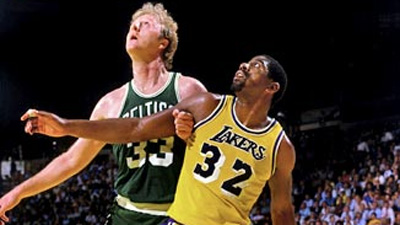
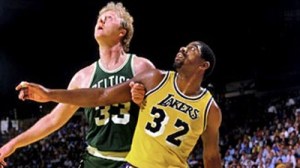
The difficulty is in separating the two, favorite from greatest. Our inclination is to defend our passions as quantifiable, as if to validate an opinion. My father’s favorite basketball player was Larry Bird, as is mine. I remember dad spending, literally, hours explaining why Bird was the greatest of all-time: the best passer, the most versatile, toughest and hardest working employee of the NBA.

But I’ve come to acknowledge that Bird’s (and my) former arch nemesis, Magic Johnson, as the better player. More head-to-head victories, more championships, more influential in the game we know today. Even taking a learned path in life.birdnmagic But that’s okay. I’ve quit trying to argue my love as something empirical. What’s wrong with conceding a fanaticism — for a show, a drawing, a person, a poached egg — followed just as openly by a confession that what we love most may be flawed, human, non-sensical, perhaps even broken. Does that diminish a devotion? Surrender a defense?
So in deference to Walter White: You are my antiheroes of antiheroes. I am your Jesse. I sizzle the glass with you.

Yet, Don Draper and Mad Men could be the greatest feat in television history.

Consider other dramas regarded legendary: Breaking Bad, The Sopranos, The Wire, ER, Law & Order, The West Wing, 24. All, as do 90% of today’s television dramas, subsist on crime, law (including making) or medicine. It makes sense. Those are exciting worlds, full of irresistibly low-hanging dramatic fruit.

Now imagine the pitch that Matt Weiner must have made to AMC for Mad Men. “It’s a show set a half century ago, in a New York ad agency. We’ll get into specific ad strategy — for Kodak, Lucky Strike, Playtex, Utz potato chips, Sno Ball and Ocean Spray, along with (literally) 76 other real-name clients.” Oh, and it’s a no-name cast, with no crime, law or medicine for subject matter.

That it would earn network approval and an eight-year following is about as miraculous as landing Conrad Hilton’s trust (which Don did, briefly). And much ink and megabyte will be spent praising the show for its look and fashion (all deserved) as well its now-known stars (deserving as well).

But let’s recognize its sheer artistry for a moment, if not first. Consider the ad pitch for the folks at Kodak, in season 1, episode 13, for an episode called The Wheel, a what-if with Draper as pitchman for the carousel projector.


Lady Lazarus, from season 5, episode 8, is as dark and artistic as the Sylvia Plath poem that inspired it, just with a kick ass Beatles finale. (Sorry about the Spanish subtitles; it appears to be the only video of it on the World Wide Intertubes.)

And that’s what makes the show understatedly deft, that straddle between detail and tedium. Sure, it’s stylish and a bit too beautiful. But throughout you’ll see artistic touches — and outright show-long homages — that no show but The Simpsons would dare broach, from Dante’s Inferno to Stanley Kubrik to author Philip Roth. In fact, Don Draper is simply a rendition of the protagonist in Roth’s Portnoy’s Complaint, about an impossibly handsome Lothario who can’t fill his cavernous soul with his conquests. (And wouldn’t that be a kick finale, if the entire show were a flashback as Don spills his guts to a shrink?)

The show also differed in its treatment of time. Normally, shows dread time like Dracula at sunrise. Look at 24, a season created out of one day. M*A*S*H lasted longer than the Korean War. Breaking Bad pretended six years was two; The Simpsons has been on a quarter century, and Maggie is still an infant not yet talking.

Mad Men, on the other hand, bounded through the 60’s as if were tripping acid. Smack into MLK’s and Bobby Kennedy’s assassinations, Nixon, the Vietnam War, the counterculture movement. If most dramas focus on a singular, familiar place — a bar, a coffee shop sofa, a triage unit— Mad Men concerned itself with an era, often brutal. That’s unheard of for an industry whose limited view on time usually includes a future with a zombie apocalypse.

The show had its failings. Like the 60’s literature that littered i story lines, Mad Men can’t help but paint most women as mothering, smothering or emasculating. And no entertainment has glamorized smoking this much since Sergio Leone spaghetti Westerns.

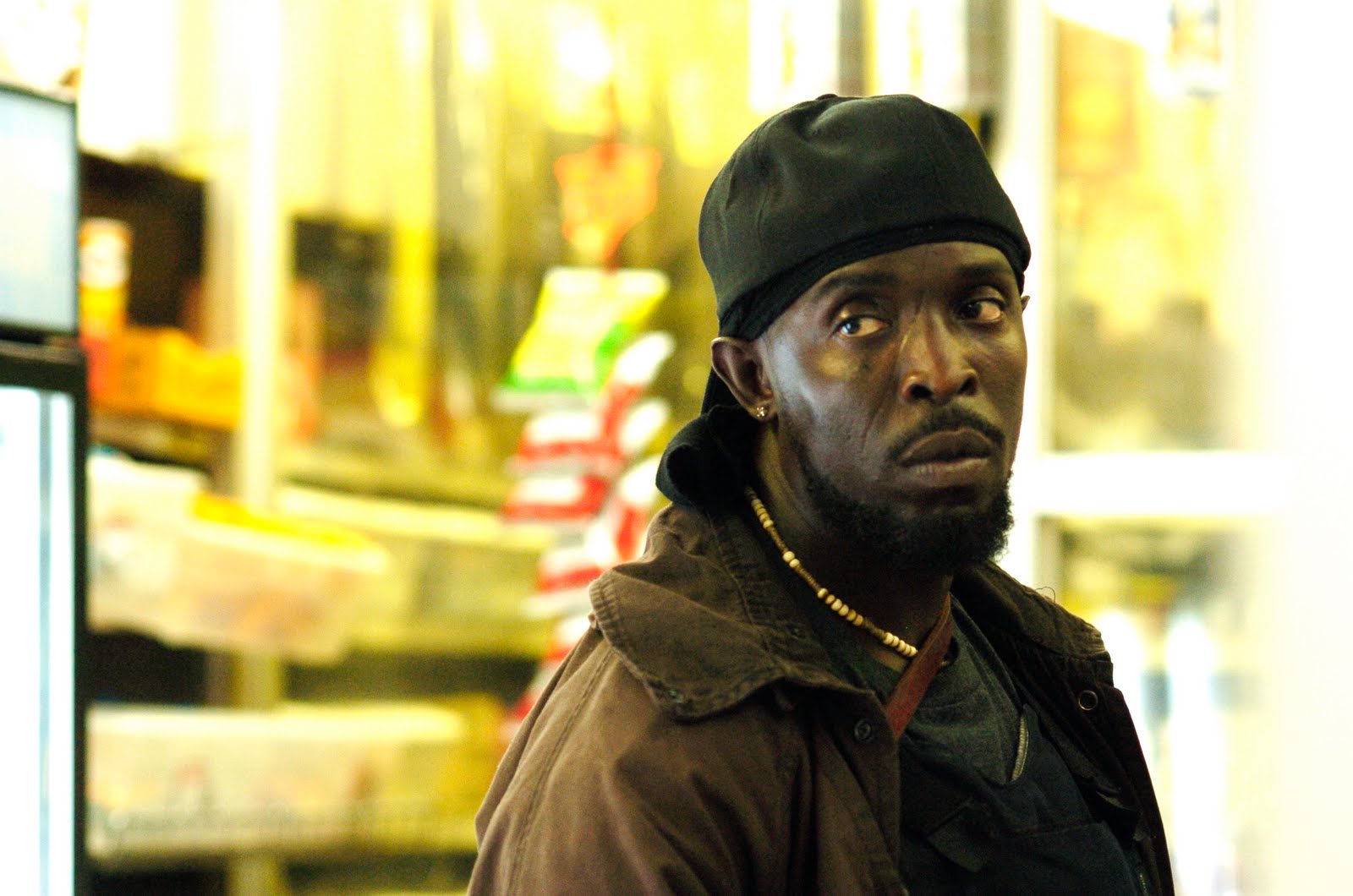
But in bidding farewell to the womanizing, alcoholic Don Draper, we also wave to a vanishing TV breed: the antihero. Perhaps reflecting the mood of a nation already somber by real-life events, execs seem to favor the lantern-jawed heroes of late, particularly when they don spandex. Tony Soprano, Dexter, Mr. White, Omar Little Omar_little(you’ve really got to see him in The Wire) all salute you from television’s cloud circuit, where antiheroes appear headed.
I know you’re a doomed drunk, Don. And Mad Men’s outer-shell shiny emphasis on advertising was really an inner reflection of how we see ourselves. Or, more importantly, want to see ourselves.

Still, through your Old Fashion-addled, oversexed, orphaned logic, you have come upon something profound. That, at our best, we are all antiheroes: flawed, flailing, but fighting nonetheless. And that’s worth another round. Cheers.


 

I believe in god about as much as I do the tooth fairy (come on, TF, if you were real, you’d financially compensate adults who lost teeth, not kids; they’ll just waste it on crap).

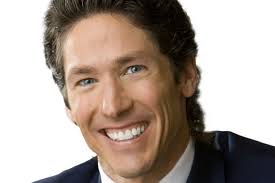
But I must confess a love: televangelist Joel Osteen.

This should not be. As the son of an atheist — if there were an official atheist card, dad would have enlarged it to the size of a sandwich board — my earliest memories of TV Bible thumpers were from granny’s shitty 12-inch black and white television, which could hail only the local religious channel. It was CNN for sinners — Hell and Brimstone, 24/7. I would become an ordained minister just for the irony, though it will come in handy soon.

Then one day I channel-stopped on Osteen’s weekly sermon, broadcast to seven million people weekly in more than 100 countries. And though he looks like a TV weatherman with an unfortunate brush with Botox, I can see how he became the nation’s preeminent preacher. osteen

He got less godly.

Listen closely to the gospel from the Lakewood Church in Houston, the nation’s largest house of worship for Protestants (his flock, 43,000 strong, bought Compaq stadium, home of the Houston Rockets). Sure, he ends with a prayer and impossible promise: tune in by show’s end, and you will be saved. And don’t forget our book.

But aside from requisite idol worship, Osteen takes a largely untrod path to faith. He is nearly areligious. He does not use the word hell, or Satan. He invokes the almighty, perhaps, a third as often as other preachers, if that. No fires waging eternal here.

Instead, he talks about taking a righteous path. You could substitute “life,” “karma” or “Fortuna”  for every reference to god, and the message remains largely intact. He waxes not about the demon Lucifer, but the demon within. And just as present, he urges, is an inner angel.

More important, he recognizes religion as analogous, not actualized. He understands parable like a wordsmith. Osteen recently spoke about those circling the post-divorce drain: the depressed amd addicted, the broken-hearted and jobless. Not once did he lay blame, nor did he suggest, ‘You are being punished. You deserve this.’

Instead he did something canny. You are not broken, he urged. You are not damned. You are a super computer with unmatched processing speed. “Your software is just corrupt,” he said. “You don’t need to throw out the computer. You just need to find the virus.”

What a knowing tactic. I can see Maude attending service, yellow umbrella et al. If religion’s stratagem has been to nag until you submit, Osteen’s is to cheer until you conquer. He seems to sense that the realities of today don’t always reward the just and punish the wicked. Some days, you have to do it yourself. He seems one of the few behind the pulpit who understands that the only sermon that resonates is the one you tell yourself.

In a recent interview, a reporter asked Osteen about his glory gospel, why he refers to “the enemy” instead of Satan, why he does not engage in the cautionary tales of a vengeful, omnipotent father who has grown sick of his children.

“When I grew up, the Devil was a reason why I had a headache or got mad,” he answered. “I like to make it broader. Sometimes the enemy can be our own thoughts, our limited way of thinking. We can excel. But some people preach about Hell like you’re already going there.”

Amen, brother.

Aside from being dead before I hit 15 because there would be no insulin, I think I would have liked life in the late 1800’s.

Not for the gadgets, for crying out loud (a phrase I am bringing back). Or the toilet. Nor the lack of Skittles.

But the mode of transport. I don’t know what it is about the horse, but god I love it. So fast, huge, flaring, utterly streamlined, down the mane. All atop four toothpicks which, if even one fractures, likely kills animal and rider. How’s that for a harmonious ecosystem? Screw you, nature.

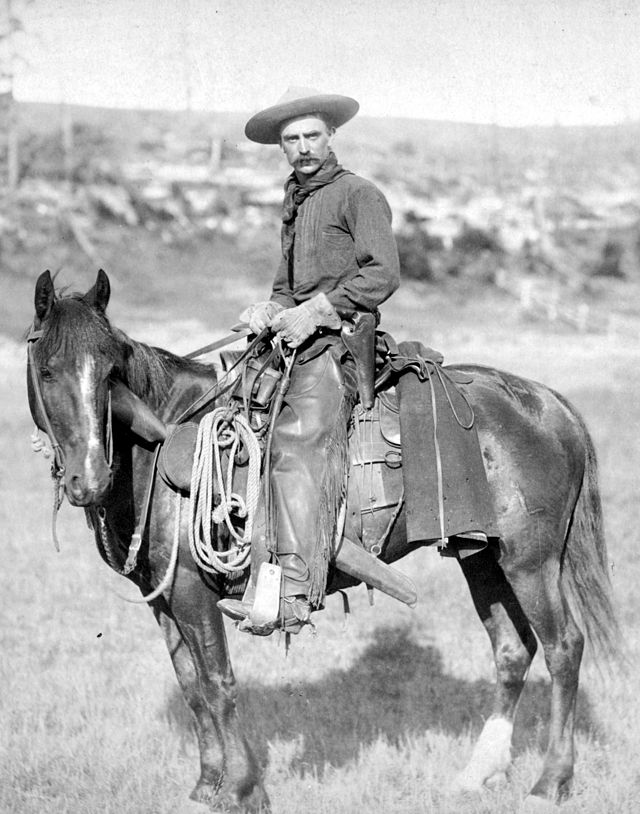
Still, I can’t help but be mesmerized. Mom and Dad used to tell the story of how, as a toddler, I took a pony ride once at a petting zoo. Round and round, I must have imagined myself an original member of the James Gang: ramrod straight, stern glower, tight jaw — until I saw my parents, who, unlike me, couldn’t keep a straight face. stern

Yet I remain that wannabe cowboy. Maybe that’s why I prefer motorcycles.

I use any excuse to ride. I ride to Teddy’s vet just to order his epilepsy meds, instead of calling. More times than I’d like to admit, I take off on the bike with no idea where I’m going. The way will decide.

Lately, the way has been a 50-mile roundtrip trek to Malibu along the Pacific Coast Highway, through San Fernando’s amazing canyon roads. It morphs from mountains to seaside, green to brown, and the temperature changes more than 25 degrees on the scoot from Valley to water.

But you can’t help but feel…alive. The terrifying reality of a bike is that it’s a terrifying reality. Driving a mile a minute is insanity enough. But on two wheels, with L.A. traffic that buzzes like an angry wasp, you realize that every trip, no matter how short or brief, requires your undivided attention. There’s a reason you never hear about motorcycle drunk driving. Sober, cars are threat enough.

Still, there’s something to being aware on the drive. How often can we say we remember a car drive we took?

A few things I’ve learned on the bike:

  • Nothing smells as good as spring jasmine.
  • Everyone smokes weed in their cars.
  • A comfortable dry heat is bullshit. A microwave gives off dry heat. It will still pop your Orville Redenbacher.
  • Everybody is pissed off.

That last lesson I learned recently coming back from the PCH. I was idling at Vanowen and Balboa, a half mile from my house. Then I heard something.

“Hey!” a woman in a wheelchair yelled. “HEYYYY!!!!”

She was trying to roll across Vanowen, where an SUV douche sat at the corner. He was gunning his engine, trying to bully the Kia to make a turn on red. It did, and douche was next. But he wasn’t bothering with the crosswalk, only northbound traffic. And his jacked douchemobile was too high to see the wheelchair.

“I’M CROSSING!!!!” the woman screamed.

I put the bike in neutral and was about to get behind the woman and push her across. The other nice thing about a bike: people tend not to honk at someone in a helmet and leather. You never know. They could have a criminal record. Or muscles.

Feigning both, I begin to step off the bike. Traffic can go around.

Suddenly the woman’s legs began to work. Both, scuttling on the pavement, arms churning. Kind of like a frenetic beetle upended. I’m not sure if her butt was paralyzed, cuuuuuuz her arms and legs seemed to work just fine. And she was definitely gaining speed.

When the SUV driver finally saw the woman, he stopped gunning the engine. Fine, I’ll wait 10 seconds, though I really should pay homage to work. He, too, was caught off guard at seeing the miracle of her working legs.

Once the woman knew that douche saw her, she did something odd. As she neared the corner, she began to coast. Legs back up, feet in footrests, arms in her lap. Looking at the driver. Fuck you, Mr. Escalade. Wait for me. Once she reached the curb, she seemed to take a particularly long time to roll up the sidewalk slope. Maybe it just seemed long, because she probably could have picked up the wheelchair and placed it on the curb.

Cadillac must have thought the same thing, because he screeeeeeched out of the intersection when she finally made it curbside. I kicked the bike into first and, dumbstruck, puttered home.

That’s one way to remember the ride.


I tend to be a music freak. Particularly dead music.

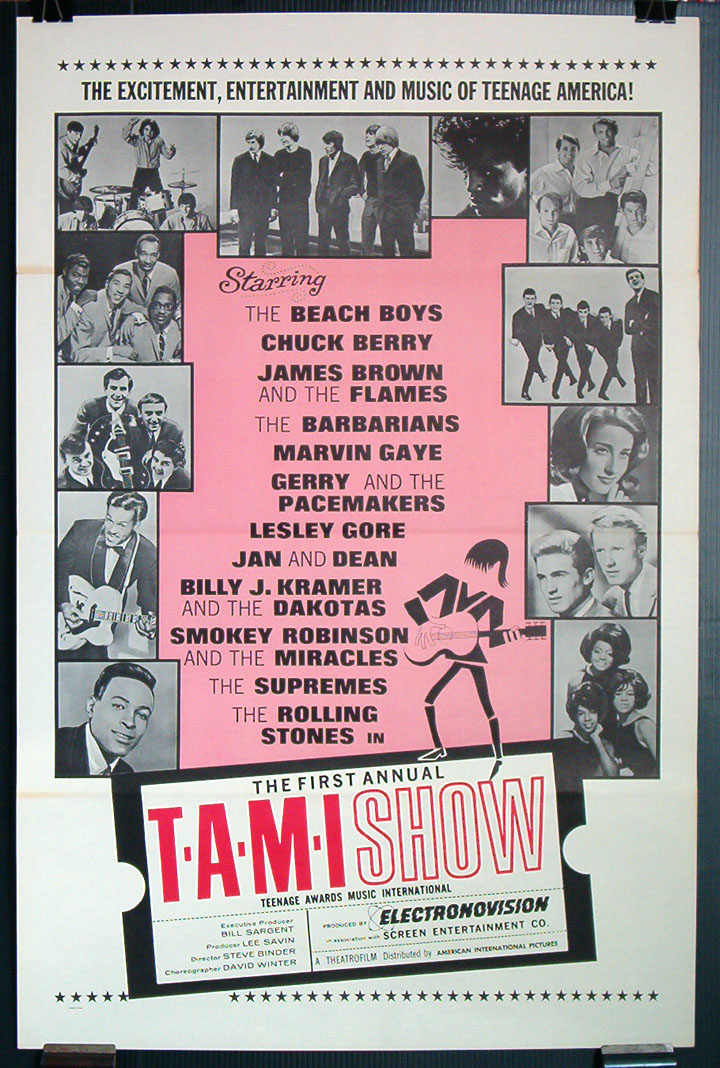
So a story on the TAMI show caught my eye this weekend.

TAMI stood for Teenage Award Music International, and it was held at the Santa Monica Civic Auditorium in winter 1964, when I was but a zygote.

It served as a sort of Lollapalooza before it became a label-driven shopping mall. The biggest stars of the country — The Beach Boys, Marvin Gaye, Chuck Berry, The Supremes — all showed up for the two-day event.

Organizers knew it would be big — But not this big. Teens mobbed the auditorium, which was built more quiet country-folk celebs who would draw, in a good night, a concert with only rafter seating available. On the rarer occasion, it would sell out.

Not this TAMI. This was going to be different. More than a pre-Lollapalooza, this was more of a pre-Woodstock. Kids traveled across the country for the 60’s legends.

And egos traveled even further. When singers realized how big this could be (there was even going to be a documentary filmmaker in the audience, rare for a concert then), Stars began clashing over where they would be in the roster. Who would kick off? Who would conclude the first night. And the ultimate question: Who would conclude the concert.

While TAMI didn’t feature the Beatles, it did attract the ultimate anti-Beatle band, the Rolling Stone. Sexual, hard drinking and fond of chemical, they were emblematic of rebel times.

On the other was James Brown and the Flames. Huge in the black community, he was one of the early minority singers at the time who had captured the attention of American teenage girl, once thought only the province of rocking teenage boys. He, too, was sexual and fond of intoxicants.

But organizers didn’t see him as a breakthrough performer, even though he, more than the Stones, represented a nation going against the times. Look at today’s music, its stars, its movement, and try to mount a case that James Brown didn’t break mold; he reshaped it.

The two camps argue bitterly over who’s performance would be show’s finale. The organizers — perhaps reflecting on record sales, commercial viability, race, temperament, who knows? — chose the Stones. And it was a terrific performance.

In fact, TAMI was full of showmanship. The show was a huge success, and went on to set the template for multi-band shows. The documentary, kept for years on the shelf because of label contract disputes, wasn’t seen for nearly a half a century.

Which was probably good for the Stones. Years later in an interview, Keith Richards said following James Brown’s performance was the band’s single greatest career mistake.

To the undeniable power of dance.

And the inescapable fact that we white boys can’t do it.


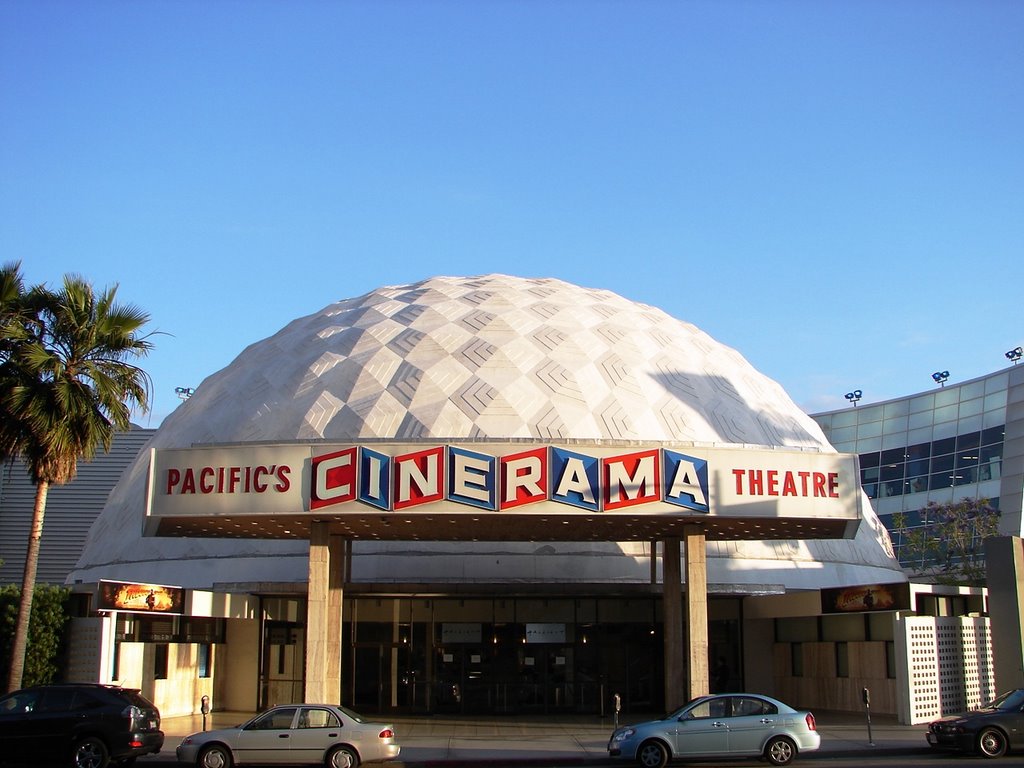
The ArcLight Hollywood is a famous theater on a famous intersection choked by famous traffic.

It’s impossible getting to the Cineramadome at Hollywood and Vine without taking the clogged arteries that surround those L.A. hearts.

Tourists, street performers — and aggressive panhandlers — teem at the intersection, which serves as a sort of catch basin for the city’s human jetsam. You have to brace yourself for the slow stop light parade you take to get in. And out.

Fortuna demanded I do both recently. And though I left a couple hours after I’d arrived, traffic hadn’t eased. If anything, the Hollywood night crowd was arriving before the afternoon crowd could get out.

There’s a certain…pandemonium…to it, the kinetic energy of all those bodies bouncing off each other like charged neurons.

The windows are down. The music is loud. I feel some of that energy, though insulated by steel and glass.

Suddenly, I sense something breaching what science calls the ‘iron womb’ mentality.

An actual person. Walking straight for the car.

homeless

The typical brace: steel yourself to nod, acknowledge, look them in the eye. But don’t let them start the story about running out of gas. Or just short of bus money. And for god’s sake, don’t let them touch the car.

Hispanic guy, early 20’s. Unseasonably warm, and denim jacket, over a hoodie, seems like a lot. Now a few feet from the car, stopped at the red light.

Suddenly, he stops and kicks a pizza box on the ground next to an overflowing trash can, his target all along.

The box gives slight resistance. He bends over, opens the box, takes out the slice of un-eaten pizza that’s inside, and begins eating it as he crosses the street.

I watch him walk, a guy who probably figured what a good turn the day had taken. When do you luck into a free dinner?

And I think: why must the reality of his everyday wake me to the dream of mine?

I drive home, windows still open, but music down. I want to feel more, awake maybe, to it.

You never know where you’ll find that pizza box.

https://www.youtube.com/watch?v=C3xdeatlwYk

xxx


Imagine you call a friend, just to see what’s up.

You ask what she’s doing. She explains she’s sitting in a leather chair, sipping almond mocha coffee, jamming to this haunting tune by Chris Cornell.

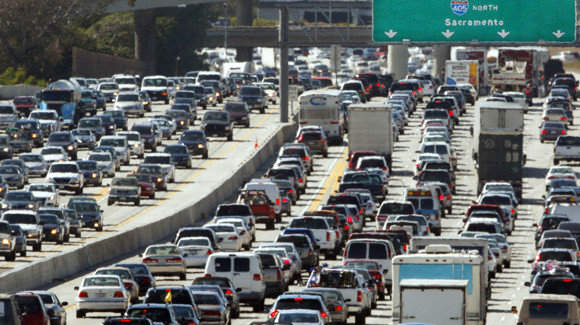
You’re envious, right? Now, put her in bumper to bumper traffic.

You’re so glad you’re already at work, right?

But why? When it isn’t urgent, when little is actually on the line, why is a traffic jam as loathed as a root canal? Particularly when we know we’ll come across it, which is all the time.

I realized this when foul weather forced me to abandon the bike for a cage. Even a mini clown car like the Fiat feels like a tractor trailer.

Yet I also knew, from zipping by the idle on the bike, that I’d have to face life in the stopped lane. I’m fatally punctual, anyway, so I gave myself more time than I needed. Stopped at Circle K for a Diet Coke. Chose my favorite playlist. And hit the 405.

What a sight. Such anger. Impatience. People cutting me off to get two lengths ahead and slam the brakes? To get where? A cubicle at work? A couch at home? What makes 5 mph such torture?

It was cold, but sunny. I cranked the heat, opened the sunroof, which beheld true daylight, straight to the face. And the song was right — Cat Stevens’ Tea for the Tillerman. And I sipped the soda, took a bite of donut, and thought: is this not what we’d like to be doing when we reach our destination? More likely: could what awaits us at the end of this drive be far less enjoyable?

“Beautiful Day” came through Random/Shuffle fate. All I could think is: When you’re in such a rush to get somewhere, how do you see the Santa Monica Mountains in the backdrop?

I’m sure I’ll forget this the next time I’m five minutes late for dinner. I shouldn’t, but that zen moment is as fleeting as an open highway.

What truly provoked such peacenik blathering was the sight when I returned home. I was in the drive-through (which should be called the Scott-through) on Balboa Blvd. when I saw a Breaking Bad-style RV, with these words spray-painted in black — not stenciled or straight, but as if the RV had been tagged:

GET OFF THE ROAD OR OFF YOUR PHONE!

He barely fit all the words across the length of the mini home. Stranger still: all the windows were open, including the back. There, a cute, scruffy mutt (perhaps a shepherd mix) with a red bandana sat in the seat, furthest back, simply pant-grinning and looking forward. Not lolling his head out, not sniffing the world as it passed. Just beamed forward, as if aware he’d scored a chauffer.

And I wondered. What is this, this form of road rage? Did you get hit by a guy talking on his cell phone? Do you hate technology, like Saul’s brother? Did you accidentally sext your boss?

Regardless, it seemed an odd mix of warmth and venom. As if to say, “Hey, you on the phone! Fuck you! And say hi to my dog, Bob Barker!”

And I don’t think he understood how easily anger can undercut your message. All I could think in the car was, “God I wish I had my camera phone.”