Netflix’s new documentary Tyson accomplishes something extraordinary: It turns one of the most compelling lives in American sports into riveting television, then allows some of the least trustworthy people in that life to undermine the enterprise.
The four-part series, which premiered October 13, traces Mike Tyson’s rise from a troubled Brooklyn childhood to the heavyweight championship through remarkable archival footage and revealing interviews. Director Floyd Russ also secures the participation of President Donald Trump, whose history as a boxing promoter makes him relevant to Tyson’s story. His record of falsehoods also raises questions about the documentary’s credibility.
The opening episode delivers a masterclass in documentary filmmaking.
Russ assembles astonishing footage that captures the speed and ferocity of Tyson’s rise. Consider a sequence from Tyson’s amateur career, featuring an eight-second knockout at the Junior Olympics. The teenager attacks with such explosive force that the fight ends almost before the eye registers the first punch.
The footage alone justifies watching.
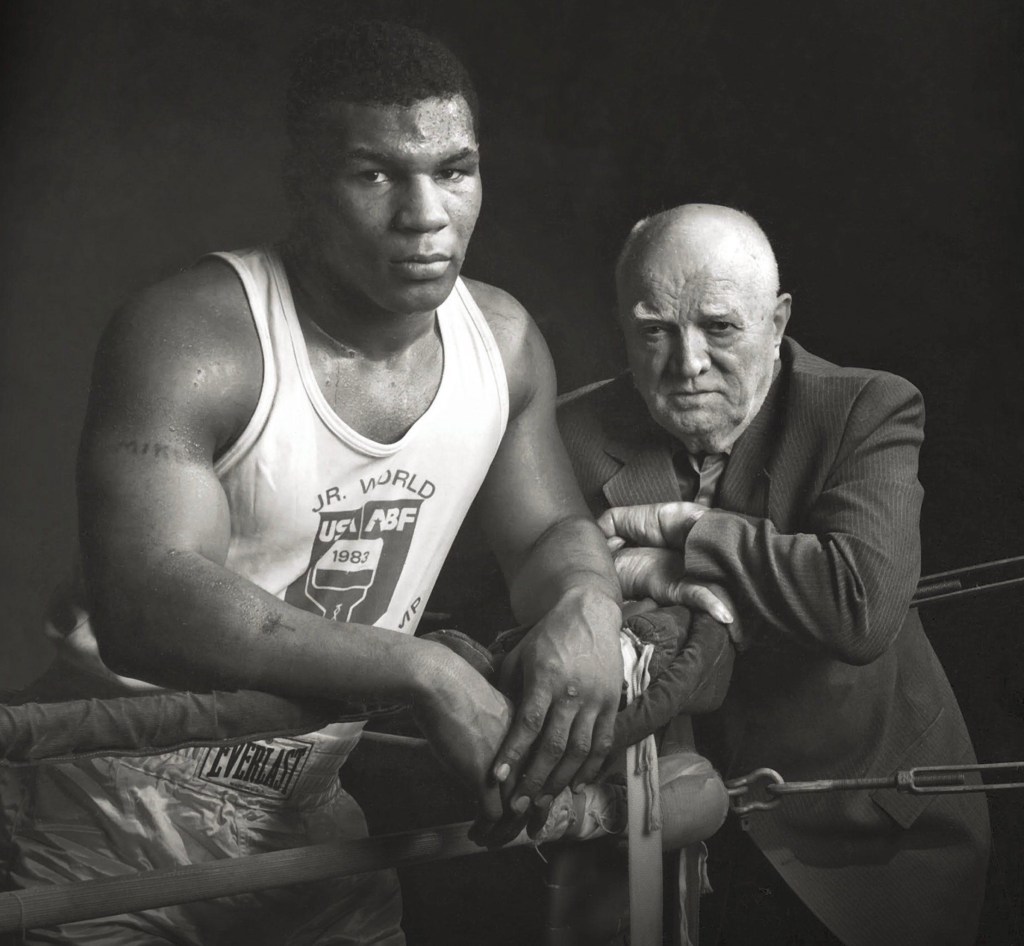
Tyson’s life gives Hollywood a story it could scarcely invent. Poverty shaped his childhood. Violence defined his Brooklyn neighborhood. Police arrested him repeatedly before adolescence. Boxing offered an escape, and trainer Cus D’Amato recognized extraordinary talent in a boy whom society had largely discarded.
Their relationship gives the first episode its emotional center. D’Amato became Tyson’s guardian and father figure. He taught the young fighter to channel his rage into discipline and transformed a street kid into a phenomenon. Their story gives Rocky the dramatic sophistication of a coloring book.
Tyson remains a fascinating contradiction. His fists carried devastating power. His emotional constitution was Waterford crystal. Behind the most terrifying fighter of his generation lived a frightened young man desperate for affection and vulnerable to anyone offering it.
That vulnerability drives the second episode, appropriately titled “Greed.”
Here the documentary begins to unravel.
Russ examines the men who surrounded Tyson once his fists started generating millions. Promoter Don King emerges from a boxing establishment that rewarded hustlers and enriched opportunists. Tyson’s career exposes the financial machinery that exploits fighters while celebrating their achievements.
Russ makes that point effectively.
Then Donald Trump enters the picture.
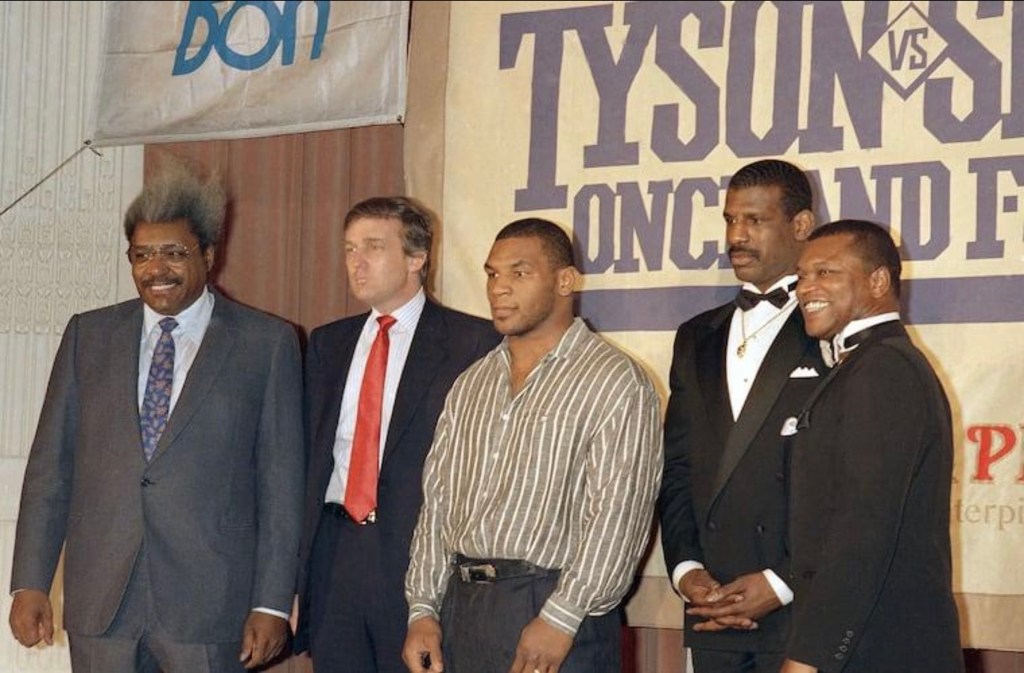
Securing an interview with a sitting American president about a sports figure represents a rare documentary achievement. Trump promoted Tyson fights during his Atlantic City casino years and witnessed the fighter’s commercial ascent.
His involvement deserves examination. His testimony deserves skepticism.
Trump spent decades building a public record of falsehoods and self-serving accounts. Yet the documentary grants him the authority of a witness whose recollections warrant acceptance.
The irony is enormous. A film about the manipulation of Mike Tyson recruits one of America’s most accomplished manipulators to help explain it.
And Trump’s appearance exposes a larger weakness in the project. The filmmakers rely on people who profited from Tyson’s talent to explain how others exploited him. Their access supplies colorful testimony while their motives demand scrutiny.
Tyson’s life also includes a rape conviction, domestic violence and profound personal damage. Those chapters require the same rigorous examination that makes the opening episode so powerful. Compassion for Tyson should sharpen that scrutiny.
Russ possesses the footage and storytelling instincts to produce a definitive portrait of an American original. The opening episode establishes that promise. The second exposes the danger of giving the people who helped shape Tyson’s mythology another opportunity to shape it.
The tragedy is that Tyson’s story already contains everything a great documentary needs. His ascent illuminates the brutality of boxing and the price of celebrity. His downfall reveals the human cost of an industry that can transform a vulnerable young man into a fortune.
For all its remarkable craftsmanship, Netflix’s Tyson leaves us with an uncomfortable achievement: a wonderfully polished turd.

